
How to Care for Summersweet
Grow easy, fragrant summersweet (Clethra alnifolia) with moist soil, part shade to sun, and low-fuss seasonal care.
Read the full Summersweet encyclopedia entry →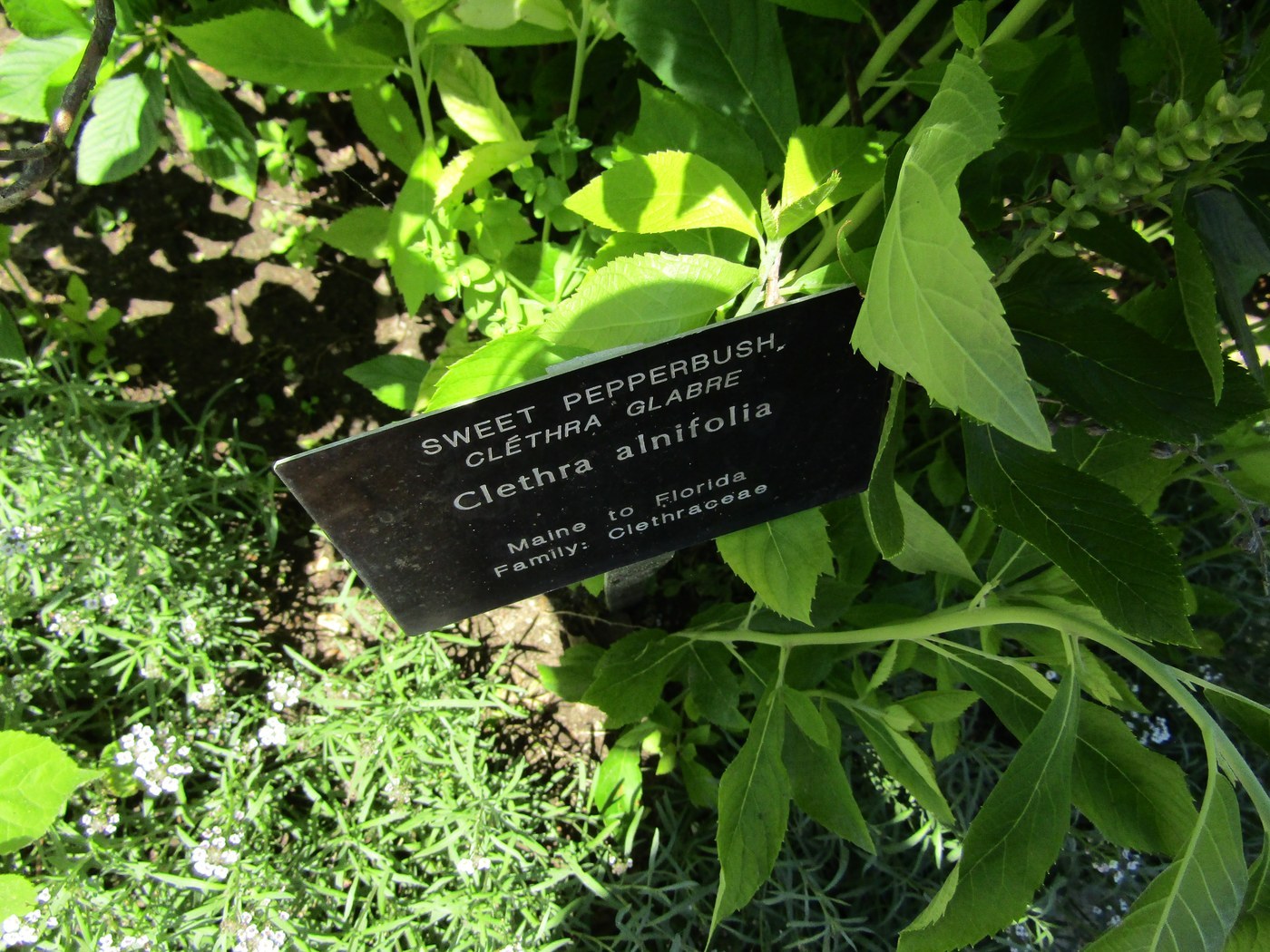
Summersweet (Clethra alnifolia) is an easygoing deciduous shrub valued for its upright spires of intensely fragrant white or pink flowers in mid to late summer, glossy foliage, and rich golden autumn color. It thrives in damp, shady spots where many shrubs struggle, making it a versatile, low-maintenance choice.
Light
Summersweet grows well in part shade to full sun. It is one of the better flowering shrubs for shadier gardens, blooming reliably even in dappled or partial shade. In full sun it flowers most heavily but needs consistently moist soil to look its best; in hot climates a bit of afternoon shade reduces stress.
Water
This is a moisture-loving shrub with medium to high water needs, and it tolerates wet, boggy soils that would harm many plants. Keep the soil consistently moist, especially in sun and during establishment. It is an excellent choice for rain gardens, pond edges, and low, damp areas. Water deeply during dry spells, since drought causes leaf scorch and poor bloom.
Soil & Potting
Summersweet prefers moist, fertile, humus-rich soil and does best in slightly acidic conditions, though it is adaptable. It handles heavy, damp soils and even periodic wet feet gracefully. Improve poorer soils with compost or leaf mold to boost moisture retention. It grows fine in large containers provided the mix stays reliably moist.
Humidity & Temperature
Hardy through roughly USDA zones 3 through 9, summersweet handles cold winters and warm, humid summers well. Its late-summer bloom is welcome when many shrubs have finished. It tolerates coastal conditions and salt spray better than most shrubs and appreciates the humidity of moist sites.
Feeding
Summersweet is not a heavy feeder. In average soil an annual spring mulch of compost is often enough. If growth is weak, apply a light dose of balanced or acid-formulated slow-release fertilizer in early spring. Avoid excess nitrogen, which favors leaves over the prized fragrant flowers.
Propagation
Propagate by division of the suckers it naturally produces, by softwood cuttings taken in early summer, or by seed. The easiest home method is to lift and separate rooted suckers from the spreading clump in spring or autumn. Softwood cuttings root readily under humid, warm conditions in a moist rooting medium.
Repotting / Pruning
Summersweet blooms on new wood, so prune in late winter or early spring before growth begins, removing dead or weak stems and thinning crowded growth to shape the shrub. It suckers to form colonies, so remove unwanted suckers to control spread, or let it naturalize as a thicket. Repot container specimens every couple of years and keep them well watered.
Common Problems & Pests
Summersweet is notably trouble-free, with few serious pests or diseases. Spider mites can appear on plants stressed by dry soil, and leaf scorch or marginal browning almost always signals insufficient moisture. Occasional fungal leaf spots may occur in crowded, damp, poorly ventilated plantings. Keeping the soil moist and providing decent air circulation prevents most issues.
Seasonal Care Tips
In late winter or early spring, prune and mulch before new growth starts. Through spring and summer, keep the soil consistently moist so the summer flower show is at its peak. In autumn, enjoy the golden foliage and thin out unwanted suckers. The shrub is fully hardy in winter and needs little special protection.
Frequently asked questions
Will summersweet flower in shade?
Yes. Summersweet is one of the better flowering shrubs for part shade and blooms reliably even in dappled light. Full sun gives the heaviest bloom but requires consistently moist soil to prevent stress.
Can summersweet grow in wet soil?
Very well. It tolerates damp, boggy conditions that harm many shrubs, making it ideal for rain gardens, pond margins, and low, poorly drained spots. Just keep the soil from drying out in summer.
When should I prune summersweet?
Prune in late winter or early spring before growth begins, because it blooms on new wood. Remove dead or weak stems, thin crowded growth, and take out unwanted suckers to control its spread.
Does summersweet spread?
Yes, it produces suckers and can form colonies over time. You can remove unwanted suckers to keep it tidy, or allow it to naturalize into an attractive thicket in a damp area.