Yucca
Yucca gigantea
A bold, drought-tolerant plant with rosettes of stiff, sword-shaped leaves atop thick woody canes. A tough, architectural choice for indoors and warm gardens.
- Light
- Bright light, including direct sun
- Water
- Sparingly; let soil dry well
- Difficulty
- Easy
Got a plant like this?
Identify any plant from a photo, free.
Overview
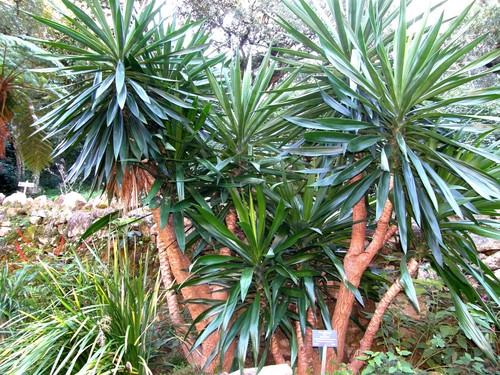
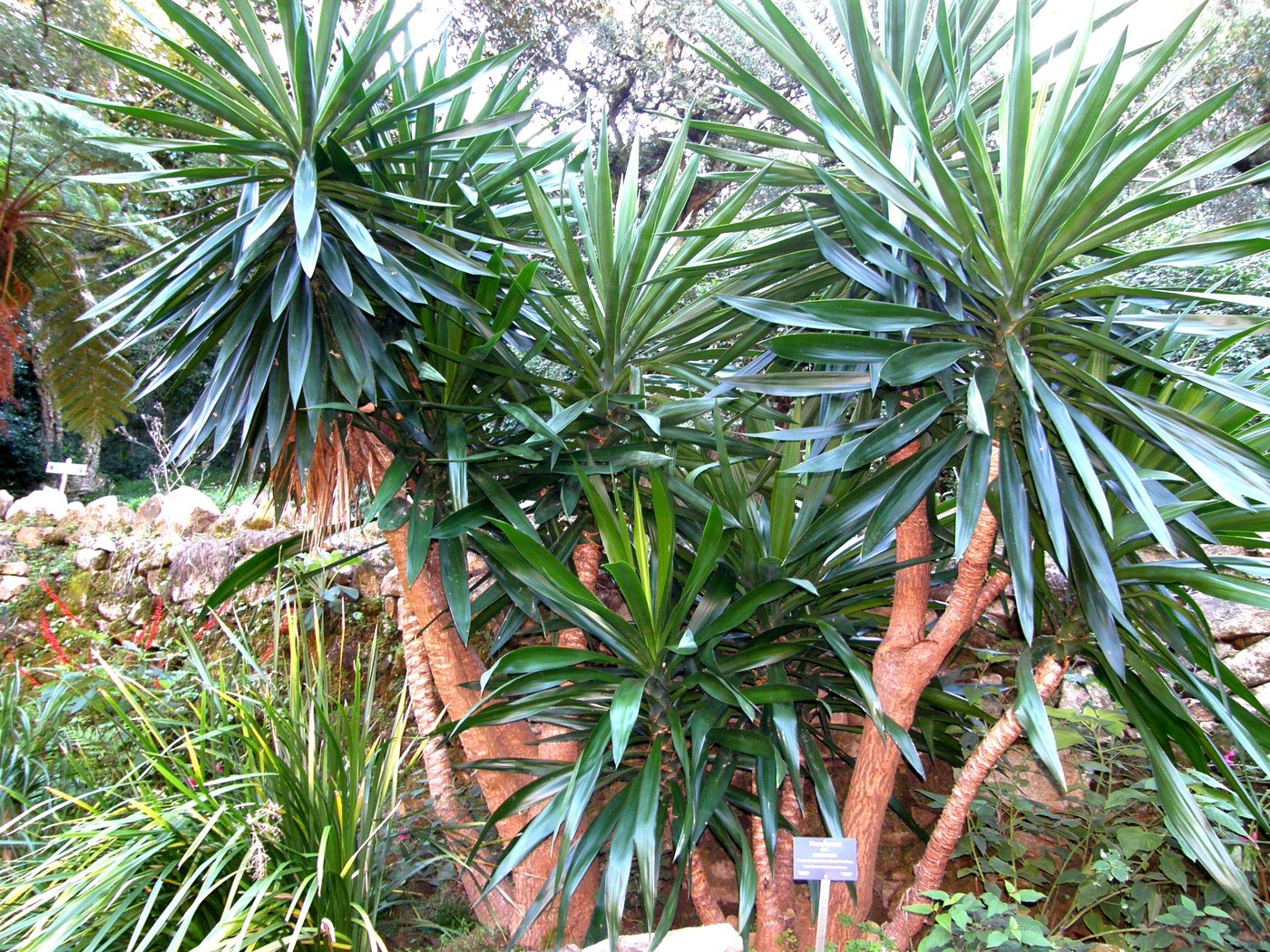
Yucca is a striking, low-maintenance plant grown for its architectural form: rosettes of long, sword-shaped leaves crowning thick, trunk-like canes. The most common indoor type, the spineless yucca (Yucca gigantea, syn. Y. elephantipes), lacks the sharp leaf tips of many wild yuccas.
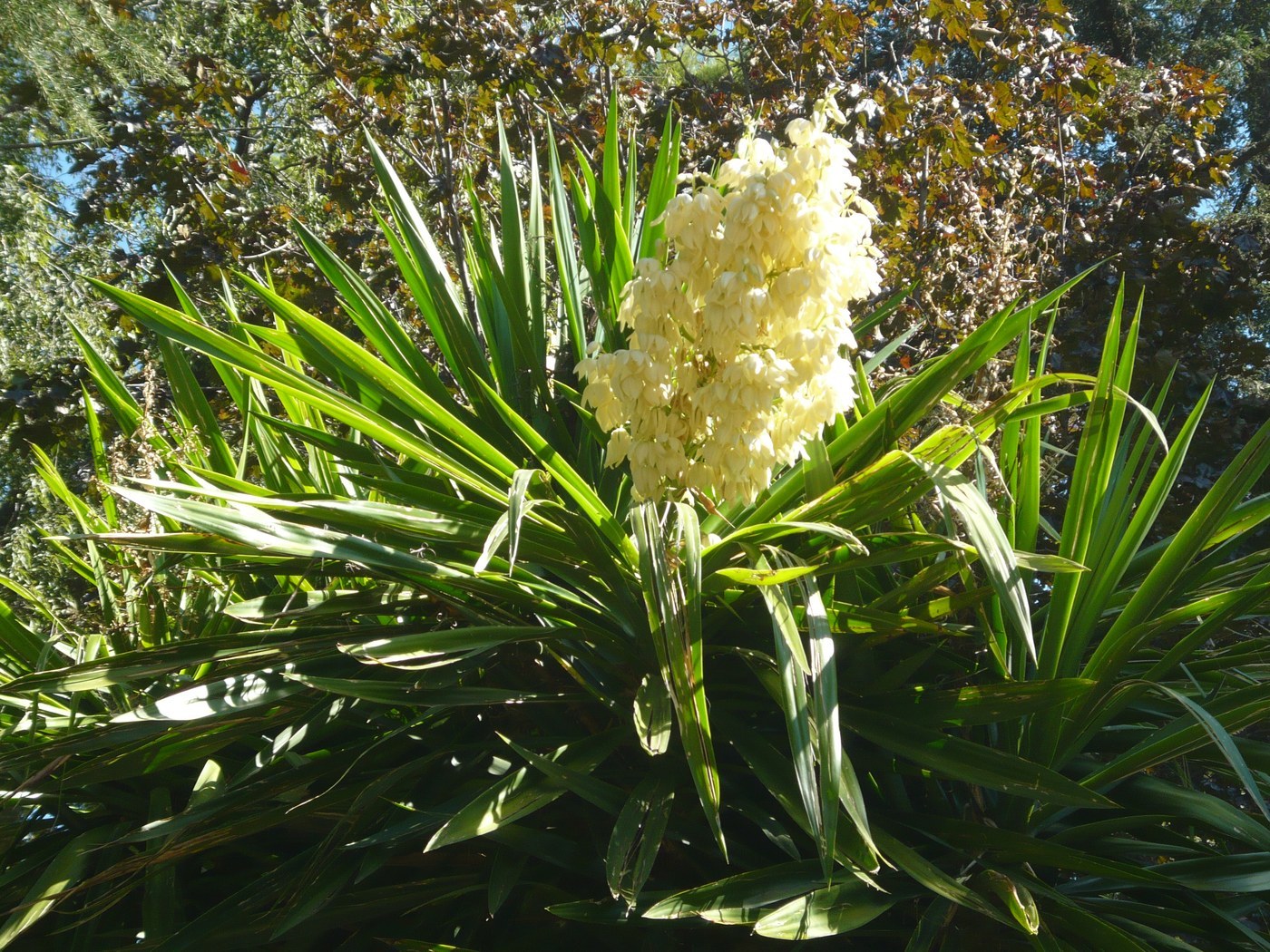
Extremely drought-tolerant and tough, yuccas store water in their stems and tolerate neglect well. Outdoors many species produce tall spikes of white bell-shaped flowers. The genus is a hallmark of arid American landscapes.
How to identify it
Key features:
- Leaves: long, stiff, sword-shaped, arranged in rosettes; blue-green to deep green, with sharp tips in many species (soft-tipped in spineless yucca)
- Stems: thick, woody, cane- or trunk-like, often branching with age
- Habit: upright and architectural, single or multiple canes
- Flowers: tall panicles of creamy-white, bell-shaped blooms in mature outdoor plants
- Size: indoor canes commonly 3-6 ft; outdoor species range widely
Care & growing
Light: Bright light, including direct sun; one of the more sun-loving indoor plants.
Water: Water sparingly, letting the soil dry well between waterings. Drought-tolerant and prone to rot if overwatered, especially in winter.
Soil: Gritty, fast-draining mix.
Temperature: Tolerates a wide range; many species are quite cold-hardy, while indoor types prefer 60-80F (16-27C).
Feeding: Light feeding once or twice in the growing season.
Propagation: From stem cuttings, cane sections, or offsets; outdoor species also from seed.
Habitat & origin
Yuccas are native to the hot, dry regions of the Americas, from the southern United States and Mexico through Central America and the Caribbean. They grow in deserts, scrub, rocky slopes, and coastal areas.
Yucca gigantea hails from Mexico and Central America. Yuccas are grown indoors as architectural houseplants and outdoors in xeriscapes and warm, dry gardens worldwide.
Frequently asked questions
How often should I water a yucca?
Sparingly. Let the soil dry out well between waterings, watering roughly every 1-2 weeks in summer and much less in winter. Overwatering is the main cause of failure.
Why are my yucca's lower leaves turning yellow and dropping?
Some shedding of old lower leaves is normal. Widespread yellowing often signals overwatering, so reduce watering and ensure sharp drainage.
Can I cut back a yucca that has grown too tall?
Yes, yuccas tolerate being cut back hard. The cut cane will usually resprout, and the removed top can be rooted as a new plant.
How do I recognize a yucca?
Look for rosettes of long, stiff, sword-shaped leaves atop thick woody canes, often with tall panicles of creamy bell-shaped flowers on mature outdoor plants.
Yucca guides
In-depth guides for identifying, growing, and caring for Yucca.