
How to Care for Yucca
Care guide for Yucca gigantea, the bold spineless yucca with a stout trunk and sword-shaped leaves, easy indoors or out.
Read the full Yucca encyclopedia entry →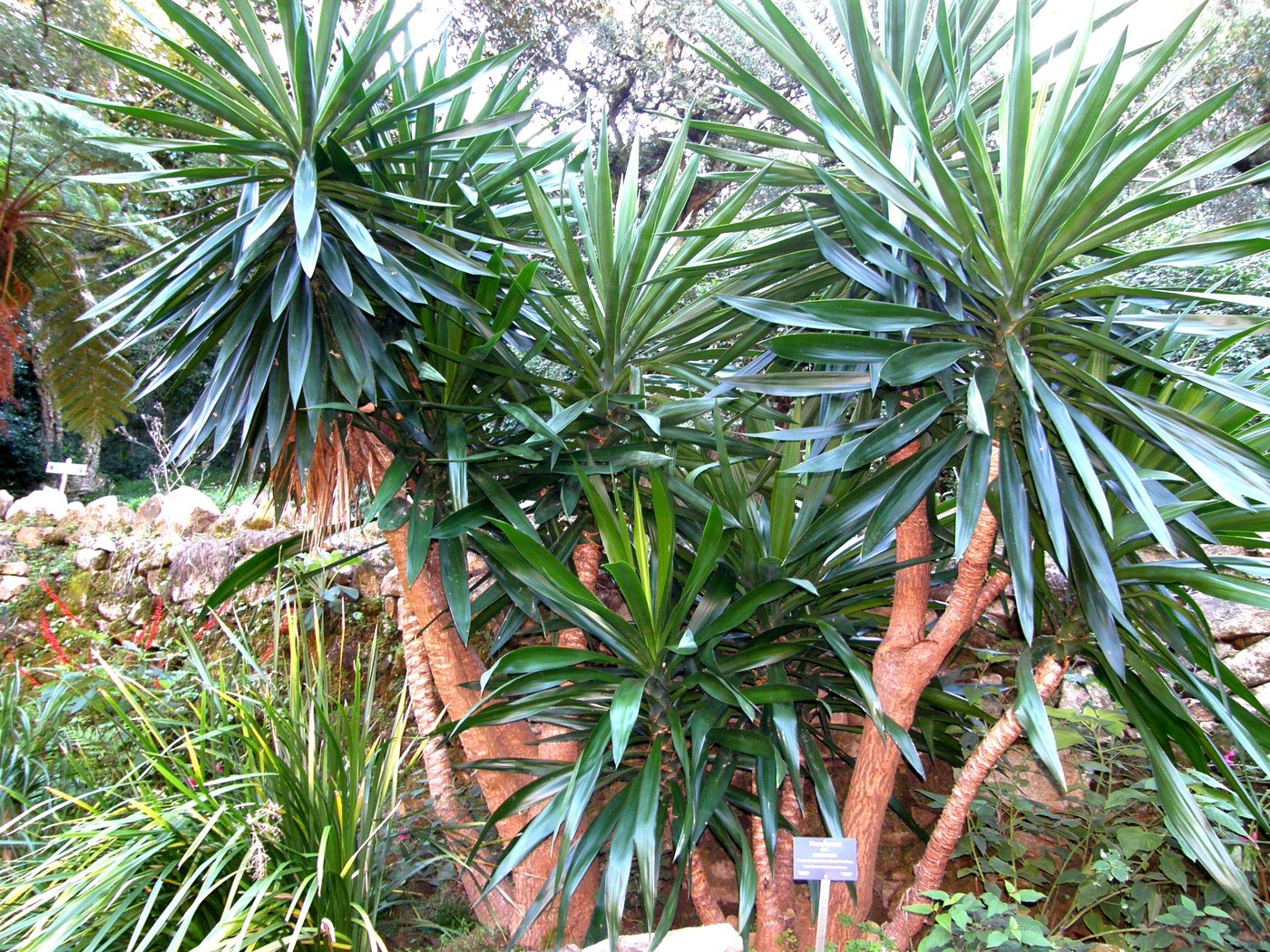
Yucca (Yucca gigantea, often sold as the spineless or giant yucca) is a bold architectural plant with a stout woody trunk topped by rosettes of sword-shaped, arching green leaves. Tolerant and slow to complain, it is one of the easiest large statement plants to grow indoors or in warm gardens.
Light
Give yucca as much light as possible. It thrives in bright light including several hours of direct sun, which keeps the foliage firm and the plant compact. Indoors, a south- or west-facing window is ideal. In too little light the leaves grow soft, droop, and lose color, and the plant stretches toward the light.
Water
Water sparingly and let the soil dry out well between waterings. The thick trunk and roots store moisture, so yucca handles neglect far better than overwatering. During active growth, soak thoroughly then wait until the top several centimeters of soil are dry. In winter, water only occasionally. Persistent sogginess quickly leads to trunk and root rot.
Soil & Potting
Plant in a free-draining mix, such as a cactus and succulent blend or general potting soil amended with sand and grit. Sharp drainage is essential. Always use a pot with drainage holes. A heavy container helps counterbalance the top growth, since mature yuccas can become top-heavy.
Humidity & Temperature
Yucca enjoys warm, dry conditions and copes well with the low humidity of centrally heated rooms. It prefers average to warm temperatures and, while Yucca gigantea tolerates cool spells, it should be protected from hard frost. Keep it away from cold drafts, and it will be comfortable in most home environments.
Feeding
Feed occasionally during spring and summer with a balanced or cactus fertilizer at half strength, roughly monthly. Yucca is a light feeder and grows steadily without much input. Stop feeding in autumn and winter when growth slows.
Propagation
Yucca is easily propagated from stem or trunk sections and from offsets. A length of trunk can be cut, allowed to callus for a few days, and then set in gritty mix to root; both cut ends can be used. Offsets that appear at the base can be separated with some roots and potted up individually. Spring and summer give the best rooting results.
Repotting / Pruning
Repot every two to three years in spring, or when roots fill the pot; yucca actually flowers and grows well when somewhat pot-bound. To control height, the trunk can be cut back, after which new shoots usually sprout below the cut. Remove lower leaves as they naturally yellow and dry to keep a clean trunk.
Common Problems & Pests
Overwatering causing soft, brown, mushy trunk tissue and root rot is by far the most common problem, so keep the mix on the dry side. Brown leaf tips can result from underwatering or dry air but are largely cosmetic. Watch for scale insects, mealybugs, and spider mites indoors, especially in warm, dry conditions; wipe leaves and treat as needed. Drooping, pale leaves signal too little light.
Seasonal Care Tips
In spring and summer, water when the soil dries, feed lightly, and give it maximum light; this is also the season for propagating and repotting. In autumn, reduce watering as growth slows. In winter, keep the plant cool to warm, bright, and much drier, protecting it from frost and cold drafts. This drier winter rest keeps the trunk firm and healthy.
Frequently asked questions
Why are my yucca's leaves drooping and soft?
Soft, drooping, pale leaves usually mean too little light or overwatering. Move it to a brighter spot and let the soil dry out well between waterings.
How often should I water a yucca?
Only when the top few centimeters of soil are dry, soaking thoroughly then letting it dry out. Water sparingly in winter, as overwatering causes rot.
Can I cut back a yucca that is too tall?
Yes. The trunk can be cut to reduce height, and new shoots usually sprout below the cut. Let the cut top callus and it can be rooted as a new plant.
Why are the leaf tips turning brown?
Brown tips are typically caused by underwatering or very dry air. They are mostly cosmetic and can be trimmed; adjust watering to reduce further browning.