Raspberry
Rubus idaeus
Raspberries are thorny, cane-forming shrubs grown for their aggregate berries. With summer- and autumn-fruiting types, a small patch can yield fruit over many weeks.
- Light
- Full sun
- Water
- Regular; keep evenly moist
- Difficulty
- Moderate
Got a plant like this?
Identify any plant from a photo, free.
Overview
The raspberry (Rubus idaeus and related species) is a perennial cane fruit in the rose family. The plant has a permanent root system that sends up biennial canes; most types fruit on second-year canes, while autumn (primocane) varieties fruit on first-year growth.
The berry is an aggregate of many tiny drupelets that detach from a central core (the receptacle) when ripe, leaving the characteristic hollow center.
Vigorous and quick to spread, raspberries are a productive backyard plant, available in red, yellow, purple and black-fruited forms.
How to identify it
- Habit: Upright to arching canes, typically 1-2 m (3-6 ft), forming spreading thickets
- Canes: Biennial, usually prickly, green in year one, woody in year two
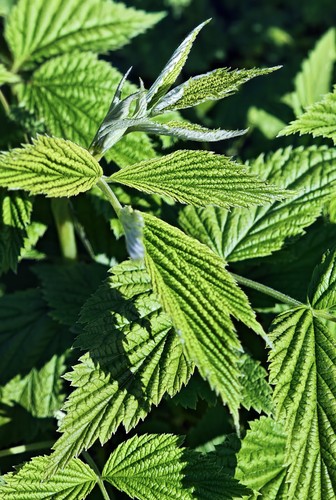
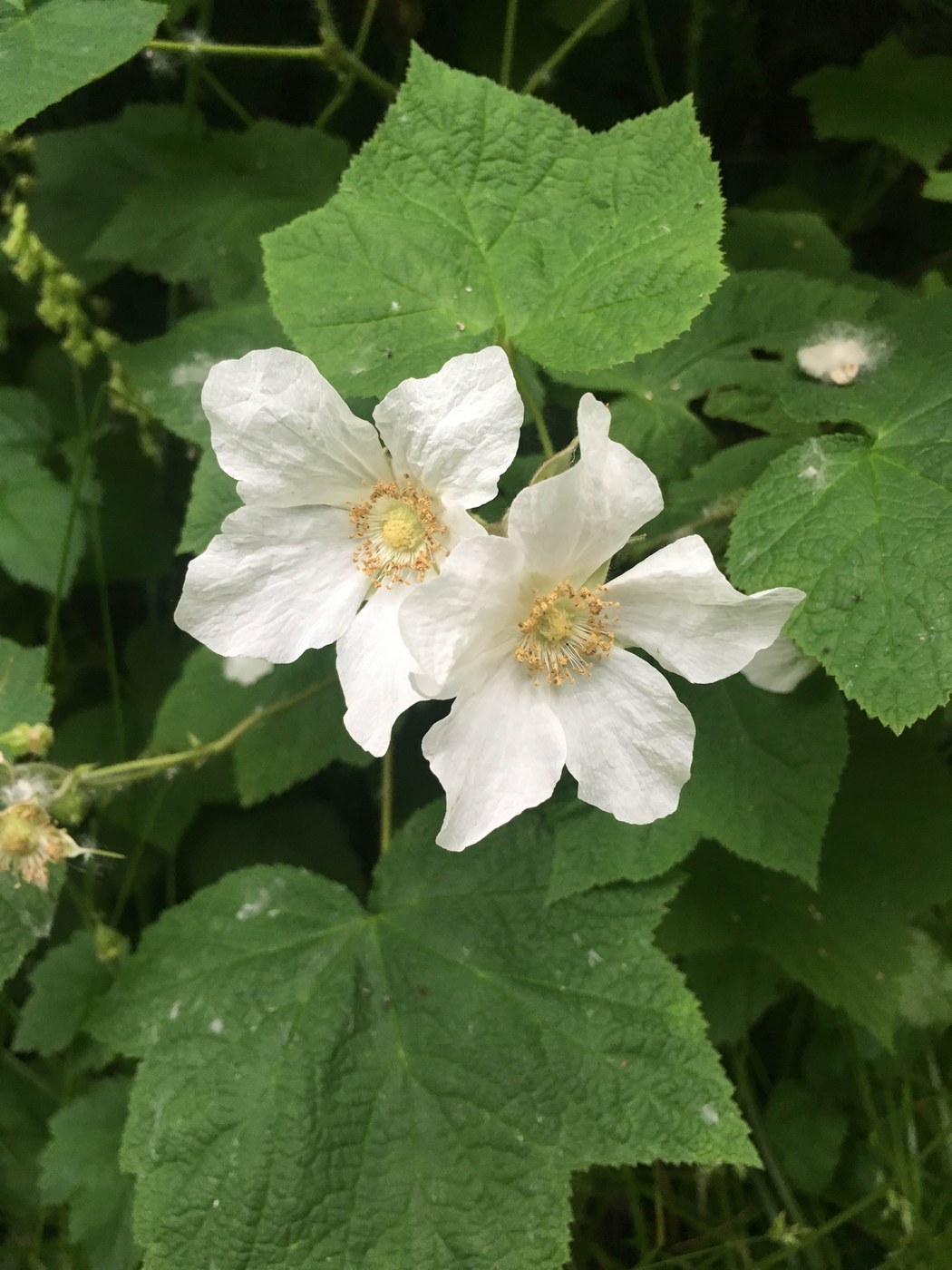
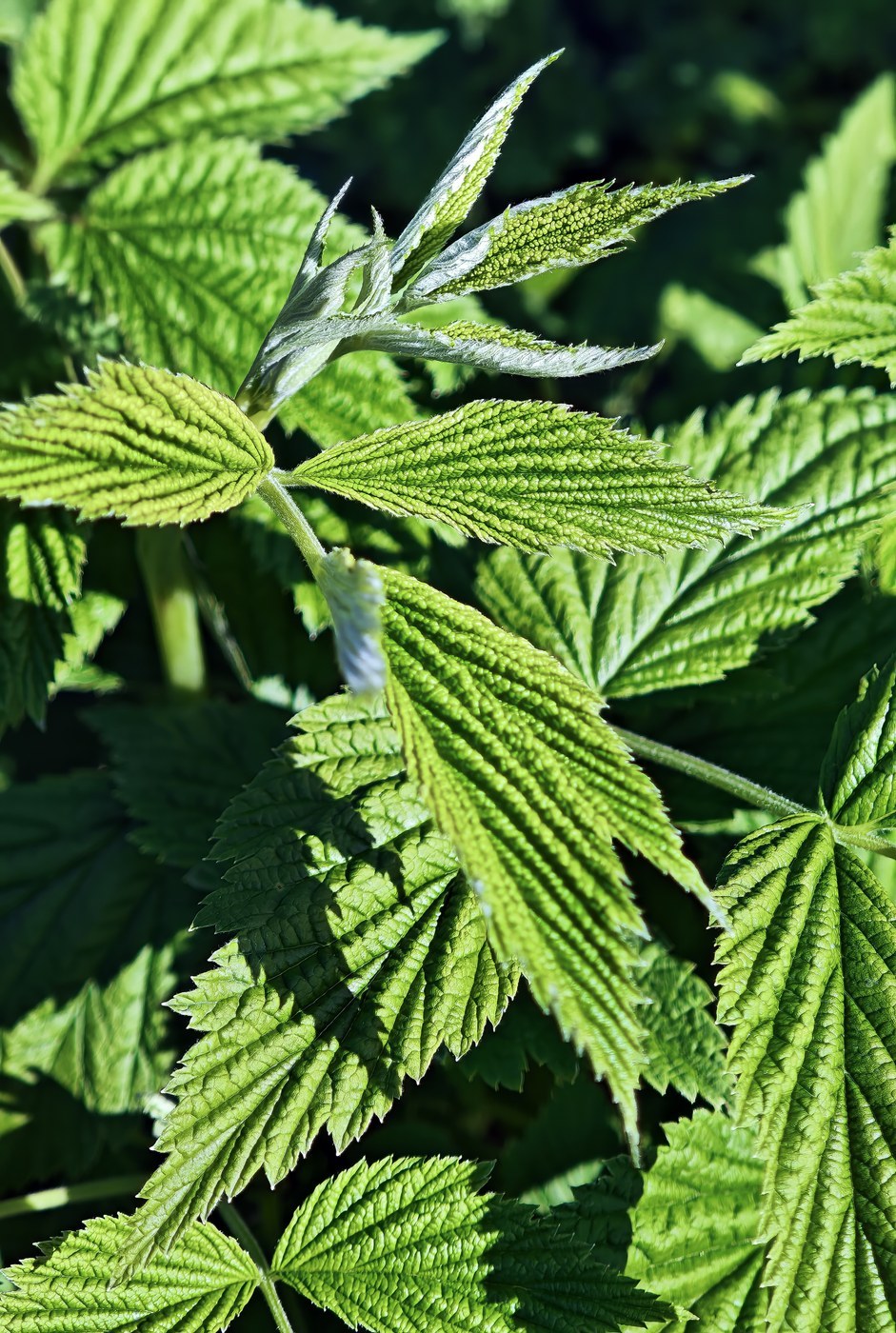
- Leaves: Compound with 3-5 toothed leaflets, green above and pale or whitish beneath
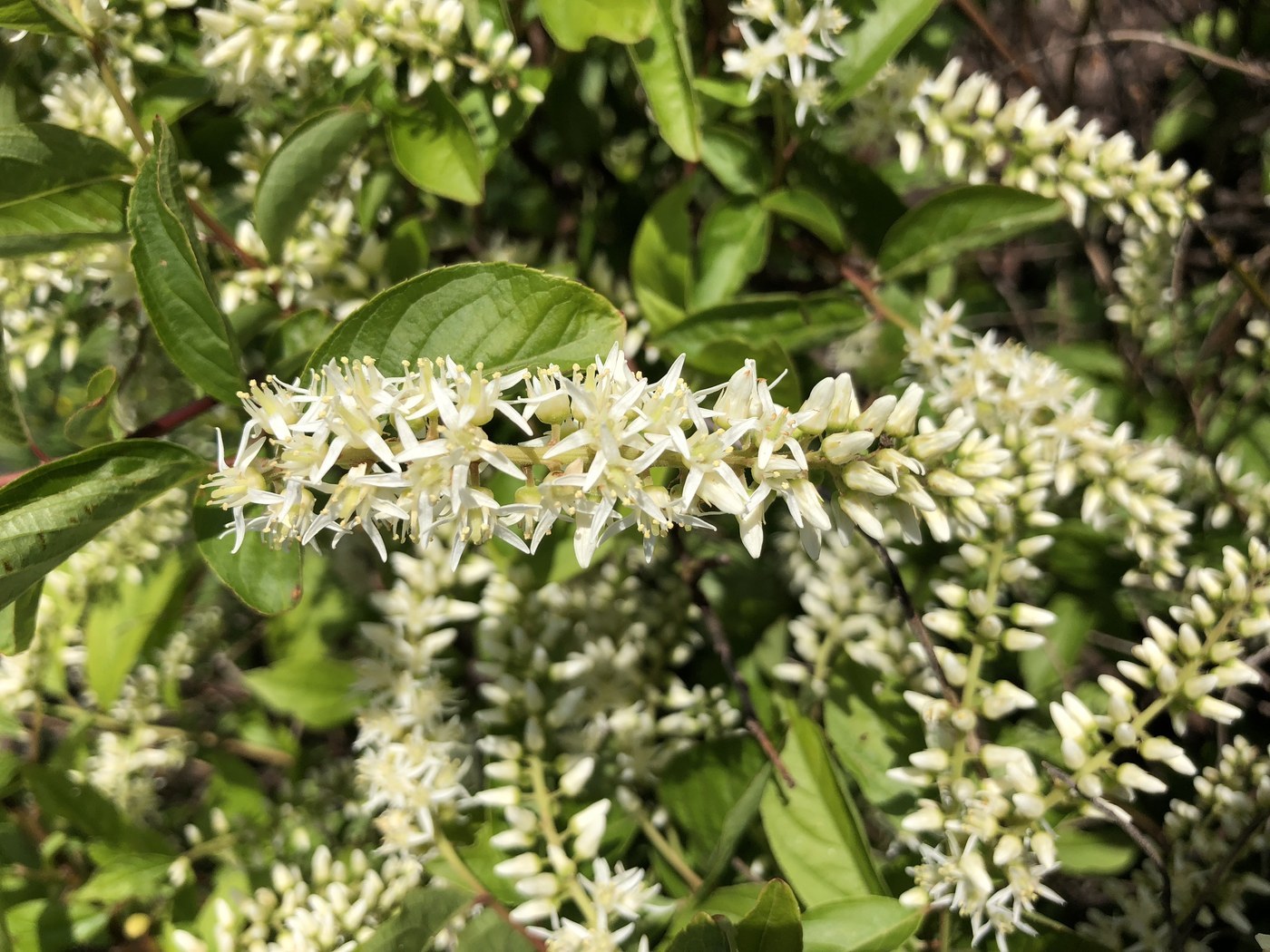
- Flowers: Small, white, five-petalled, in clusters
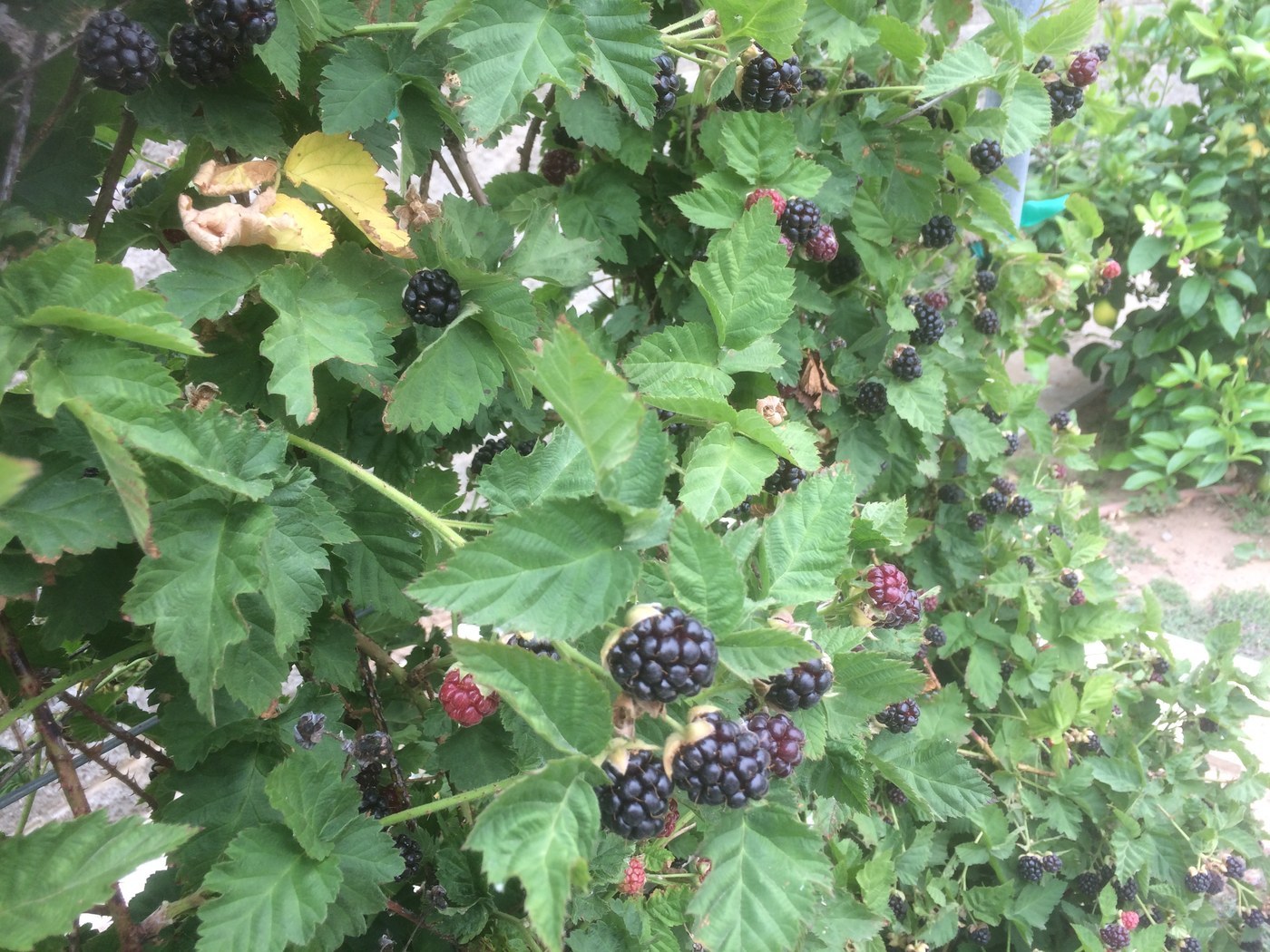
- Fruit: Aggregate berry of soft drupelets that pulls free of its core, leaving a hollow cup
Care & growing
Light: Full sun for the best yields; tolerates light shade.
Water: Keep evenly moist, especially as fruit forms; mulch to retain moisture.
Soil: Fertile, well-drained, slightly acidic soil rich in organic matter; dislikes waterlogging.
Temperature: Hardy and needs winter chill; well suited to cool-temperate climates.
Feeding: Mulch with compost and feed in spring.
Propagation: Spreads readily by suckers, which can be dug and replanted. Pruning differs by type: summer-fruiting canes are cut after fruiting, while autumn types can be cut to the ground in late winter.
Habitat & origin
The red raspberry is native to Europe and northern Asia, growing wild along woodland edges, clearings and hillsides; closely related species are native to North America.
It has been gathered and cultivated for centuries and is now grown commercially and in gardens throughout cool-temperate regions worldwide, with major production in Eastern Europe, Russia and North America.
Frequently asked questions
Why are my raspberry canes not fruiting?
Most likely a pruning issue. Summer-fruiting types bear on second-year canes, so removing the wrong canes (or all of them) prevents a crop.
What's the difference between summer and autumn raspberries?
Summer (floricane) types fruit once on year-old canes; autumn (primocane) types fruit on the current season's canes, often into fall.
Why is the center of my raspberry hollow?
That's normal. A ripe raspberry separates from its central receptacle, which is what distinguishes it from a blackberry.
How do I stop raspberries spreading everywhere?
They spread by underground suckers. Contain them with a barrier or bed edging and dig up unwanted suckers each year.
Raspberry guides
In-depth guides for identifying, growing, and caring for Raspberry.