
How to Care for Raspberry
Grow vigorous raspberry canes (Rubus idaeus) with full sun, even moisture, sturdy support, and smart seasonal pruning.
Read the full Raspberry encyclopedia entry →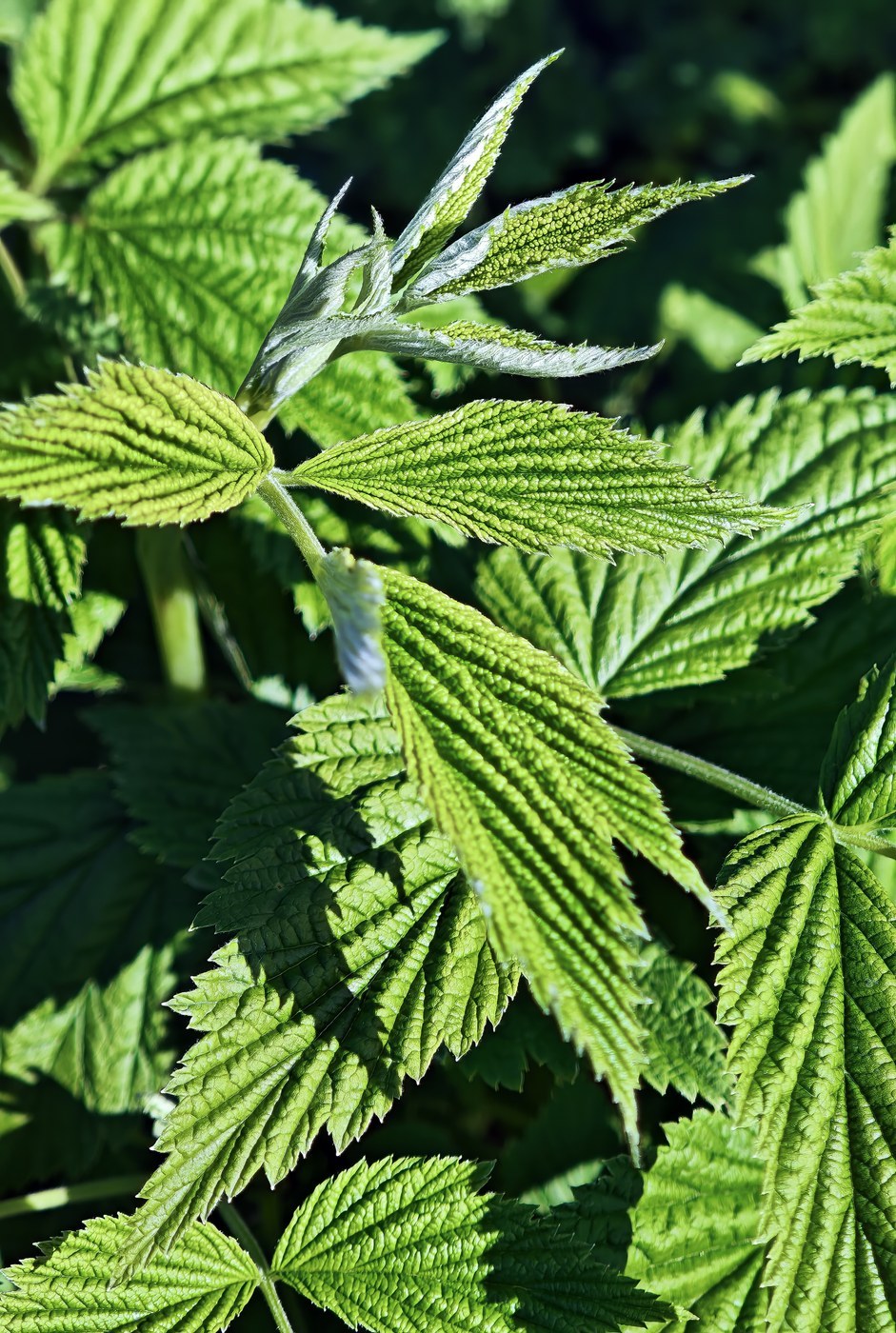
Raspberry (Rubus idaeus) is a vigorous, cane-forming deciduous shrub grown for its arching stems, attractive foliage, and ornamental spring flowers. It grows quickly and rewards gardeners who provide good support, steady moisture, and the right annual pruning for its cane type.
Light
Raspberries need full sun for strong, productive growth and well-ripened canes. Give them at least six to eight hours of direct sun daily. In too much shade the canes grow thin and leggy, flower poorly, and become more prone to disease. A sunny, sheltered spot with good air movement is ideal.
Water
Raspberries have shallow roots and need regular, even moisture, especially during the growing season and while flowering. Keep the soil consistently moist but never waterlogged, watering deeply once or twice a week in dry weather. Mulch heavily to conserve moisture and keep the shallow root zone cool. Both drought and standing water stress the plants and weaken the canes.
Soil & Potting
Provide fertile, well-drained soil rich in organic matter, ideally slightly acidic with a pH around 5.5 to 6.5. Work in generous compost before planting and avoid heavy, soggy ground, which promotes root rot. Raspberries can be grown in large containers with a rich, free-draining mix, though they need frequent watering and feeding in pots.
Humidity & Temperature
Raspberries are cool-climate plants, hardy through roughly USDA zones 3 through 8, and most types need winter chill to grow well. They prefer moderate temperatures and struggle in intense, prolonged heat. Good air circulation is important in humid climates to reduce fungal problems, so space rows and canes to keep the foliage dry.
Feeding
Feed in early spring as growth resumes with a balanced or slightly nitrogen-rich fertilizer, and mulch with compost or well-rotted manure to enrich the soil and retain moisture. A light second feeding in late spring supports the flush of new canes. Avoid heavy late-season nitrogen, which produces soft growth that does not harden before winter.
Propagation
Raspberries propagate very easily. Summer-bearing types spread by suckers, which can be dug up with roots attached in autumn or early spring and replanted. You can also root tip cuttings or divide established clumps. Removing and replanting suckers is the simplest way to expand a patch or renew old plantings.
Repotting / Pruning
Pruning is the key to healthy raspberries and depends on the type. Summer-bearing (floricane) types fruit on second-year canes: after those canes finish, cut them to the ground and keep the new green canes for next season. Everbearing (primocane) types can be cut entirely to the ground in late winter for a single autumn crop. Always remove dead, weak, or crowded canes, thin to strong stems, and tie canes to a sturdy trellis or wire support to keep them upright and well ventilated.
Common Problems & Pests
Raspberries can be affected by aphids, raspberry beetles, spider mites, and cane borers, as well as fungal diseases like cane blight, spur blight, anthracnose, and gray mold, plus root rot in wet soil. Good spacing, annual removal of old canes, cleanup of fallen debris, and consistent (not excessive) watering keep most problems in check. Replant into fresh ground if a patch declines from soilborne disease.
Seasonal Care Tips
In late winter, complete pruning and tie in canes before growth starts. In spring, feed, mulch, and thin new canes to the strongest. Through summer, water evenly and support the arching stems. After the summer crop, cut spent floricanes to the ground. In autumn, clean up debris, cut back primocane types if grown for a fall crop, and mulch to protect the shallow roots over winter.
Frequently asked questions
How do I prune raspberries?
It depends on the type. For summer-bearing raspberries, cut spent second-year canes to the ground after they finish and keep the new canes. For everbearing types, you can cut all canes to the ground in late winter for a single autumn flush.
Do raspberries need support?
Yes. The arching canes flop and tangle without help, so tie them to a sturdy trellis, post-and-wire system, or fence. Good support also improves air circulation and reduces disease.
Why are my raspberry canes weak and unproductive?
Common causes are too much shade, inconsistent watering, overcrowded canes, or aging soil with disease buildup. Give full sun, even moisture, thin to strong canes each year, and remove old spent wood.
How do I get more raspberry plants?
Raspberries spread readily by suckers. Dig up rooted suckers with a portion of root in autumn or early spring and replant them elsewhere. You can also root tip cuttings or divide established clumps.