How to Care for Viburnum
Grow a lush, easy Viburnum opulus shrub with full sun to part shade, evenly moist soil, and light annual pruning for spring blooms.
Read the full Viburnum encyclopedia entry →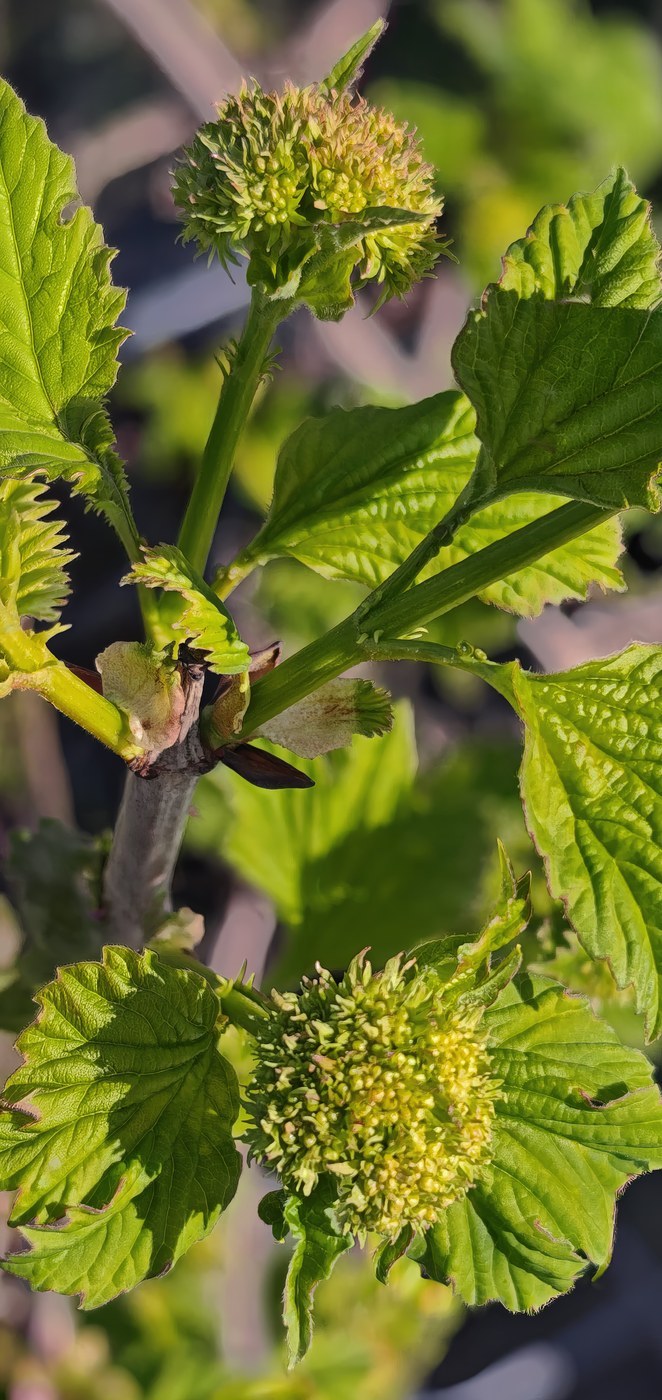
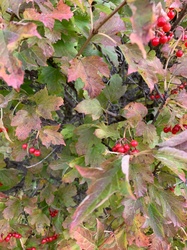
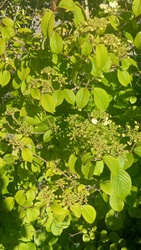
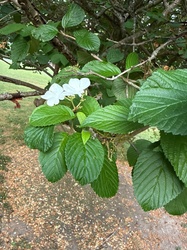
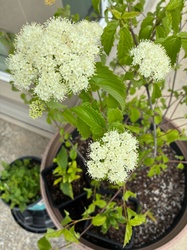
Viburnum opulus is a hardy, adaptable deciduous shrub prized for its clusters of lacecap spring flowers, bold maple-like foliage, and reliable fall color. It is an easy-care backbone plant for mixed borders and hedges.
Light
Viburnum performs best in full sun to part shade. In full sun it produces the most abundant flowering and the strongest fall foliage color, while in dappled or afternoon shade it stays lush in hotter climates. Aim for at least four to six hours of direct light a day for good bloom.
Water
Keep the soil evenly moist, especially during the first two or three growing seasons while roots establish. Provide about an inch of water per week, more during heat waves or in fast-draining soil. Established plants tolerate short dry spells but bloom and set fruit best with consistent moisture.
Soil & Potting
This shrub thrives in moist, well-drained, loamy soil rich in organic matter. It adapts to a range of pH from slightly acidic to slightly alkaline. Amend heavy clay or sandy sites with compost at planting, and mulch with two to three inches of bark or leaf mold to conserve moisture and moderate soil temperature.
Humidity & Temperature
Viburnum opulus is cold-hardy and handles temperate climates well, tolerating hard frosts once dormant. It appreciates average outdoor humidity and does not require any special humidity management. In very hot, dry regions, afternoon shade and mulch help prevent leaf scorch.
Feeding
Feed once in early spring with a balanced slow-release granular fertilizer or a generous top-dressing of compost. Avoid heavy nitrogen feeding, which pushes leafy growth at the expense of flowers. A second light feeding after bloom can support vigorous young plants.
Propagation
Propagate from softwood cuttings taken in early summer or semi-hardwood cuttings in late summer, rooted in a moist, gritty medium under humidity. Layering low branches into the soil is also reliable. Seed propagation is possible but slow, often needing a period of cold stratification to break dormancy.
Repotting / Pruning
Prune right after flowering, since blooms form on old wood and pruning later removes next year's buds. Remove dead, crossing, or crowded stems to open the canopy, and shorten wayward branches to shape. Rejuvenate an overgrown shrub gradually by removing up to a third of the oldest stems at the base over several years.
Common Problems & Pests
Watch for aphids, which cluster on new shoots and cause distorted growth; viburnum beetle can skeletonize leaves in some regions. Fungal leaf spot and powdery mildew appear in humid, crowded conditions, so ensure good airflow. Improve spacing and avoid overhead watering to reduce foliar disease.
Seasonal Care Tips
In spring, feed and enjoy the flowers; in summer, keep watering steady during dry spells. Prune promptly after bloom. In autumn, let the shrub show its fall color and refresh the mulch layer for winter root protection. Little winter care is needed beyond removing any storm-damaged wood.
Frequently asked questions
Why is my Viburnum not flowering?
The most common cause is pruning at the wrong time, since flowers form on old wood; prune only right after bloom. Too much shade or excess nitrogen fertilizer can also reduce flowering.
How much sun does Viburnum need?
It grows in full sun to part shade, but at least four to six hours of direct light gives the best flowering and fall color.
When should I prune Viburnum opulus?
Prune immediately after the spring flowers fade. Pruning in late summer, fall, or winter removes the buds that would produce next season's blooms.
How often should I water an established Viburnum?
Aim for about an inch of water per week, keeping the soil evenly moist. Increase during heat waves and reduce during cool, rainy periods.
Viburnum identified by the community
Recent Viburnum specimens identified with Plant Identifier.