
How to Care for Sweetspire
Sweetspire is an easy, adaptable shrub for sun or part shade, tolerating wet soil and rewarding growers with fragrant white spires and brilliant fall color.
Read the full Sweetspire encyclopedia entry →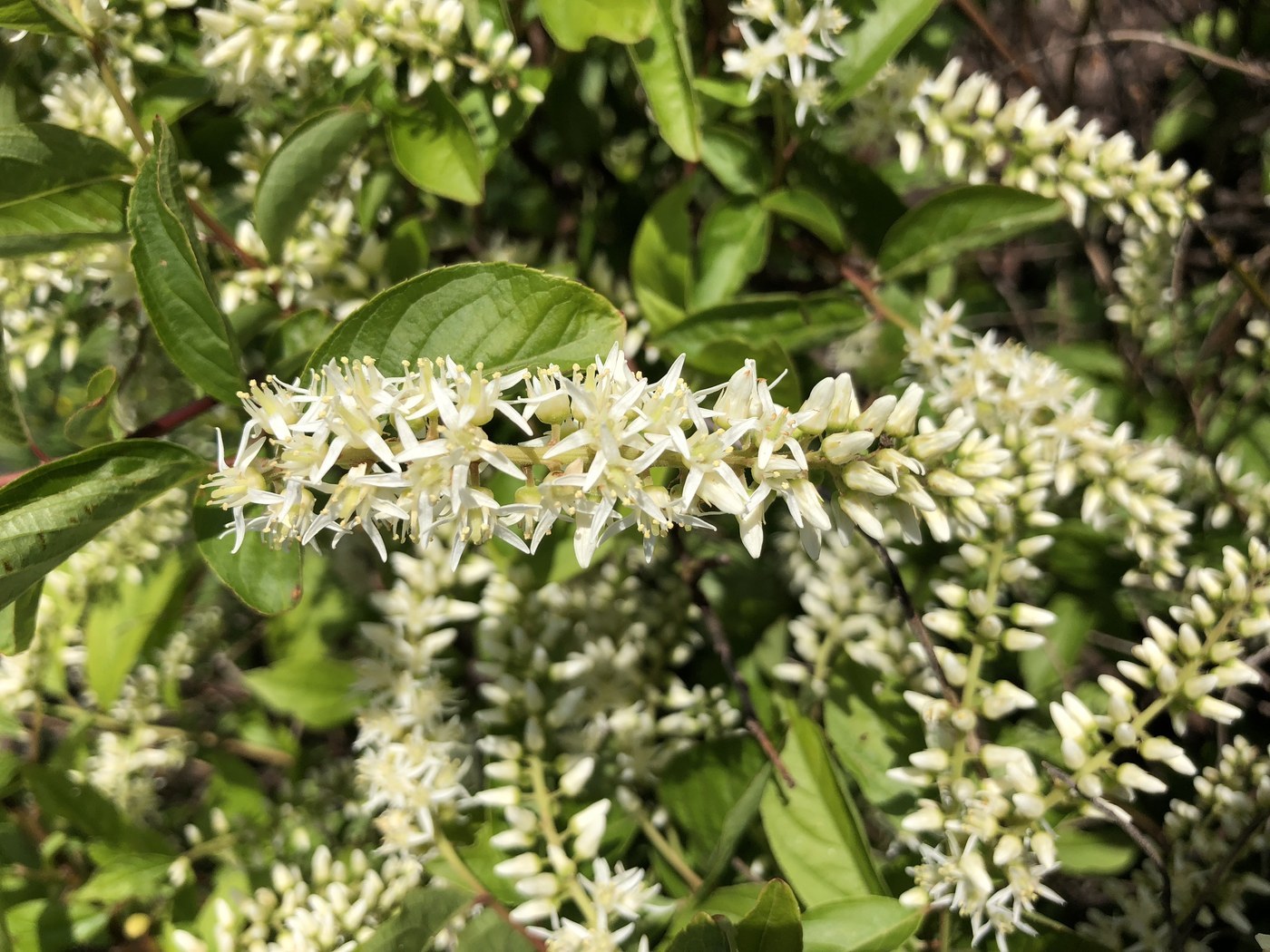
Sweetspire (Itea virginica) is an easygoing native deciduous shrub prized for its arching stems of fragrant white flower spires in early summer and its outstanding crimson-to-burgundy fall foliage. It is very forgiving, tolerates wet soils and part shade, and is an excellent low-maintenance choice for rain gardens and moist borders.
Light
Sweetspire grows well in full sun to part shade. Full sun produces the heaviest flowering and the most intense fall color, while part shade is well tolerated and often welcome in hotter climates. In deep shade it grows more open and blooms less freely, but it remains healthy.
Water
Water needs are medium to high. This is one of the few ornamental shrubs that genuinely tolerates wet, boggy soil, making it ideal for low spots and stream edges. Keep the soil consistently moist, especially while establishing. It also tolerates ordinary garden moisture and short dry spells once established, but it is not a plant for chronically dry sites.
Soil & Potting
Sweetspire adapts to a wide range of soils, from average garden loam to heavy clay and periodically flooded ground. It prefers moist, rich, slightly acidic soil high in organic matter. Mulch generously to retain moisture. It transplants easily and establishes quickly.
Humidity & Temperature
A hardy temperate shrub, sweetspire is generally suited to USDA zones 5 through 9. It handles humid summers and cold winters well. In the colder end of its range it may be semi-evergreen to deciduous, dropping leaves after a long-lasting fall display. Ambient humidity is not a concern.
Feeding
Light feeder. In decent soil it needs little or no fertilizer. A spring top-dressing of compost or a light application of balanced fertilizer supports vigorous growth and bloom. Avoid heavy feeding, which is unnecessary for this undemanding shrub.
Propagation
Sweetspire propagates readily. It spreads naturally by suckers, which can be divided and replanted. Softwood cuttings taken in early summer root easily, and layering low stems is also reliable. This ease of propagation makes it simple to expand a planting or share divisions.
Repotting / Pruning
Prune right after flowering in summer, since blooms form on the previous season's growth; pruning later or in winter removes flower buds. Remove old, weak, or overcrowded stems at the base to renew the shrub and control its suckering spread. To rejuvenate an old, tangled plant, cut a portion of the oldest stems to the ground each year. Container specimens should be potted up as they fill their pots and can be divided when crowded.
Common Problems & Pests
Sweetspire is notably pest- and disease-resistant and largely trouble-free. Its main management issue is its tendency to sucker and form spreading colonies, which can be a virtue in naturalized settings or a chore in tidy borders. Occasional leaf spot may appear in wet conditions but is rarely serious. Poor flowering usually indicates too much shade.
Seasonal Care Tips
In spring, apply mulch and compost and enjoy fresh growth. In early summer, enjoy the fragrant white spires, then prune immediately after bloom. Through summer, keep the soil moist. In autumn, enjoy the brilliant red and burgundy foliage, one of the shrub's best features. In winter, the plant is dormant and needs little attention beyond removing any dead wood.
Frequently asked questions
Can sweetspire grow in wet soil?
Yes, it is one of the best ornamental shrubs for wet, boggy sites and rain gardens. It tolerates periodically flooded ground while also growing well in ordinary moist garden soil.
When should I prune sweetspire?
Prune right after it finishes flowering in summer. It blooms on old wood, so pruning in fall or winter removes next year's flower buds. Cutting the oldest stems to the ground renews the shrub.
Why is my sweetspire not flowering well?
The most common cause is too much shade. Move it to a sunnier spot or thin overhead branches; full sun yields the heaviest bloom and best fall color. Also avoid pruning at the wrong time, which removes flower buds.
Does sweetspire spread?
Yes, it spreads by suckers to form colonies. This is useful for naturalizing and erosion control but may need managing in formal beds. Remove unwanted suckers or divide them to replant elsewhere.