
How to Care for Wintercreeper
Wintercreeper is a tough evergreen shrub-vine that thrives in sun or deep shade with minimal water once established.
Read the full Wintercreeper encyclopedia entry →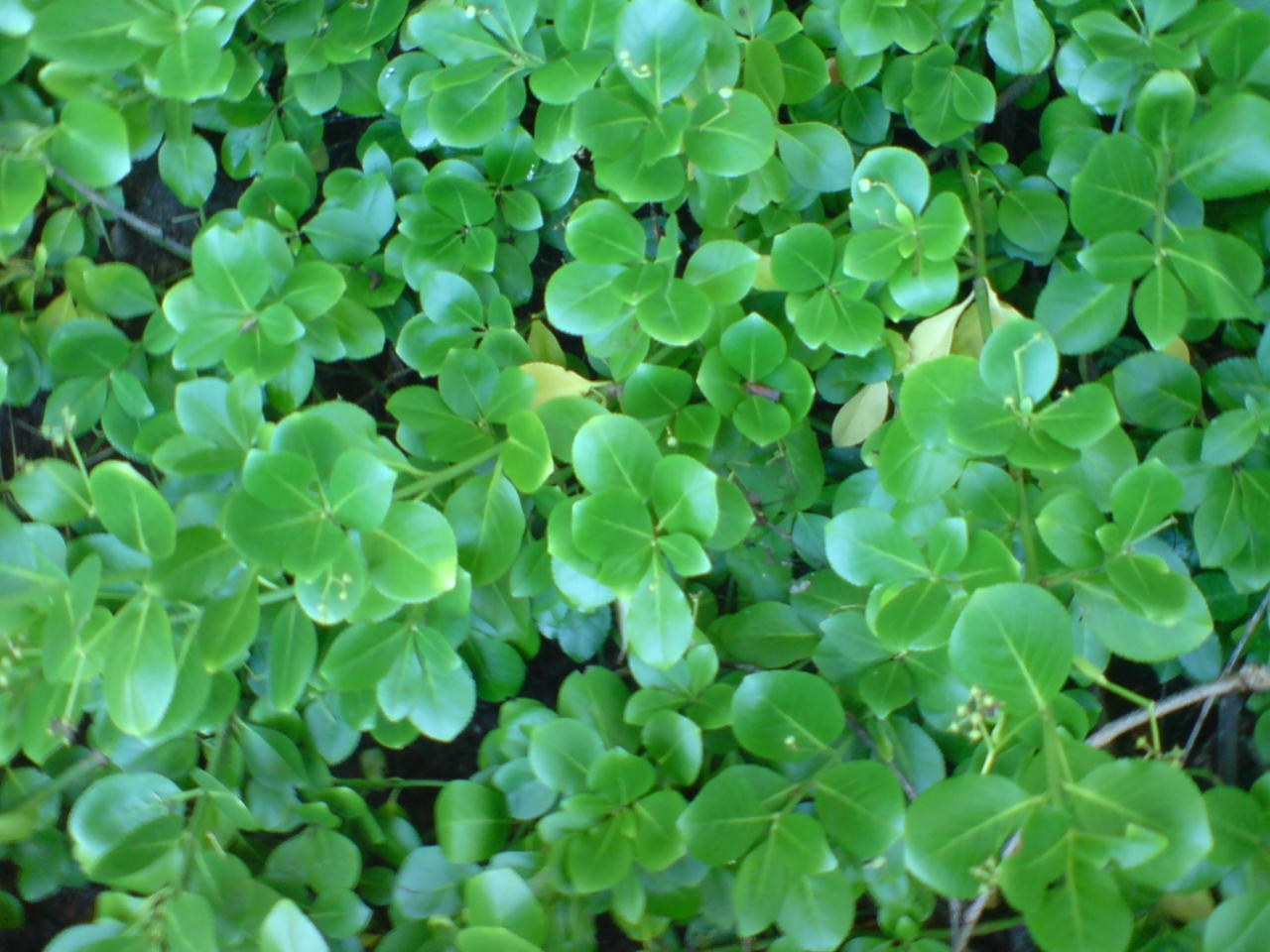
Wintercreeper (Euonymus fortunei) is an exceptionally adaptable broadleaf evergreen that can be grown as a low groundcover, a mounding shrub, or a climbing vine that clings to walls and fences with aerial rootlets. It is grown for its glossy, often variegated foliage and its ability to thrive in difficult sites, from full sun to full shade.
Light
Wintercreeper is one of the most light-flexible ornamentals available, tolerating everything from full sun to full shade. Variegated cultivars show their brightest gold or white markings in more light, while green forms handle deep shade comfortably. In the hottest climates a little afternoon shade keeps foliage looking fresh, but the plant will grow almost anywhere you put it.
Water
Water regularly during the first growing season to establish a strong root system. Once established, wintercreeper is notably drought-tolerant and needs only occasional deep watering during extended dry spells. It handles low-water conditions far better than most evergreens, which makes it a reliable choice for tough, neglected corners of the garden. Avoid waterlogged soil.
Soil & Potting
This shrub is unfussy about soil, growing in clay, loam, or sandy ground across a broad pH range. The main requirement is reasonable drainage; it will not thrive in permanently soggy sites. Enrich poor soils with compost at planting for a faster start, but it establishes even in lean, rocky, or compacted ground where little else succeeds.
Humidity & Temperature
Wintercreeper is cold-hardy and evergreen through most temperate winters, holding its leaves year-round. It tolerates heat and typical outdoor humidity without trouble. In very exposed sites, foliage can bronze or purple in hard winter cold, which is normal and recovers in spring. It adapts to a wide climate range, which is part of why it is so widely planted.
Feeding
Wintercreeper needs little feeding. A single application of a balanced slow-release granular fertilizer in early spring is plenty to support a season of growth. Overfeeding simply produces excess growth that needs more pruning. On very poor soils, a light annual feed keeps foliage dense and well colored.
Propagation
It propagates very easily from stem cuttings taken in summer, which root readily in moist media. Trailing stems in contact with soil often self-layer, forming rooted plantlets you can sever and transplant. This vigorous rooting is one reason the plant spreads so effectively as a groundcover.
Repotting / Pruning
Wintercreeper tolerates hard pruning and shearing, making it easy to keep as a tidy shrub, hedge, or contained groundcover. Prune in late winter or early spring to shape and control size, and shear vining forms to keep them off surfaces you want to protect. Because it can spread aggressively and climb, regular trimming is important to keep it in bounds. Container specimens can be repotted every couple of years in early spring.
Common Problems & Pests
The most significant pest is euonymus scale, a common infestation that appears as white and dark specks on stems and leaf undersides and can weaken the plant if left unchecked; treat early with horticultural oil and prune out heavily infested stems. Powdery mildew can appear in humid, crowded conditions, so allow airflow. Its biggest drawback is vigor: it spreads readily and can overtake neighbors or climb structures, so site it where you can manage it, and check whether it is considered invasive in your region.
Seasonal Care Tips
In spring, feed lightly and prune to shape as new growth begins. Through summer, water only during drought and watch for scale insects. In fall, reduce watering as growth slows. In winter, enjoy the evergreen foliage; some bronzing in cold is normal, and no protection is usually needed given the plant's hardiness.
Frequently asked questions
Can wintercreeper grow in full shade?
Yes. Wintercreeper tolerates the full range from full sun to full shade, which is one of its main strengths. Green-leaved forms handle deep shade well, while variegated cultivars keep brighter markings with more light.
How do I keep wintercreeper from spreading too much?
Prune and shear regularly to control size, and cut back trailing or climbing stems before they root into new ground or cling to structures. It tolerates hard pruning well. Installing edging also helps contain groundcover forms.
What are the white specks on my wintercreeper stems?
That is most likely euonymus scale, a very common pest of this plant. Treat with horticultural oil, prune out heavily infested stems, and monitor through the season, since untreated scale can weaken the shrub over time.
How often does wintercreeper need watering?
Water regularly during the first season to establish roots. After that it is drought-tolerant and needs only occasional deep watering during extended dry periods. Avoid soggy soil, which it dislikes.