
How to Care for Barrenwort
Barrenwort is a tough, elegant shade groundcover prized for dainty spring flowers and heart-shaped foliage that carpets dry shade.
Read the full Barrenwort encyclopedia entry →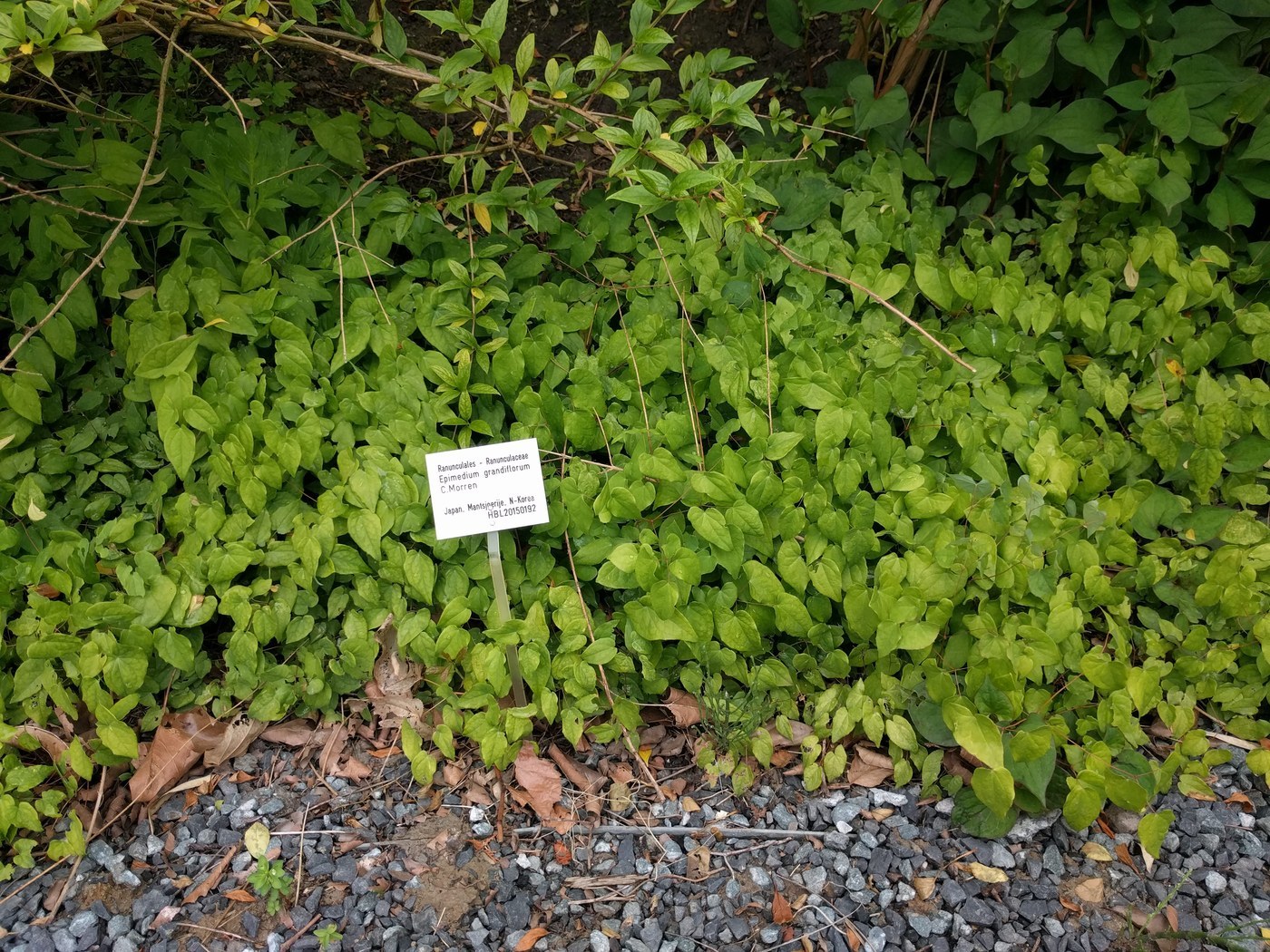
Barrenwort (Epimedium grandiflorum) is a graceful, long-lived perennial groundcover beloved for its wiry stems, delicate spider-like spring flowers, and heart-shaped leaves that flush bronze and red through the seasons. Once established it is remarkably resilient, thriving in the dry shade beneath trees where little else succeeds.
Light
Barrenwort is a woodland plant that performs best in part to full shade. Dappled light beneath deciduous trees or a spot with morning sun and afternoon shade is ideal. It tolerates deeper shade than most flowering perennials, though very dense shade may thin the flowering. Protect it from harsh midday sun, which scorches the delicate foliage.
Water
Keep the soil evenly moist, especially during the first two seasons while the slow-spreading root system establishes. Once settled, Epimedium is notably drought tolerant and copes with the competition of tree roots better than most shade plants. Water moderately during dry summer spells to keep the foliage looking fresh rather than crisping at the edges.
Soil & Potting
Barrenwort prefers a humus-rich, well-drained soil with plenty of organic matter, mimicking a leafy woodland floor. It adapts to a wide pH range and tolerates the poor, root-filled soil under trees. Work leaf mold or compost into the planting hole and mulch annually to retain moisture and feed the soil.
Humidity & Temperature
A hardy woodland perennial, barrenwort withstands cold winters and returns reliably each spring. It appreciates the cool, moist conditions of a sheltered shade garden and does not need extra humidity. In colder zones the semi-evergreen foliage may die back in winter and regrow from the crown in spring.
Feeding
This is a low-demand plant that rarely needs heavy feeding. An annual spring mulch of compost or leaf mold supplies enough nutrients for steady growth. If plants look weak, a light application of balanced slow-release fertilizer in early spring is sufficient.
Propagation
The reliable method is division. Lift established clumps in early spring or after flowering and split the tough, matted rhizomes into sections, each with roots and buds, then replant promptly. Divisions establish slowly but steadily. Barrenwort spreads gently by rhizome over time rather than aggressively.
Repotting / Pruning
The key maintenance job is a single annual pruning: in late winter, before the new flower stems emerge, shear off the old semi-evergreen foliage right down to the ground. This clears the way for the delicate flowers and fresh spring leaves to show without being hidden by tattered old growth. Divide crowded clumps every few years to keep them vigorous.
Common Problems & Pests
Barrenwort is one of the most trouble-free perennials, largely ignored by pests. Vine weevil larvae can occasionally damage roots in containers, and slugs may nibble tender new growth in wet springs. Leaf scorch from too much sun or dry soil is the most common cosmetic issue. Good drainage prevents the rare crown rot.
Seasonal Care Tips
Cut back old foliage in late winter to reveal the spring flower show. Mulch in spring and keep new plantings watered through their first summers. Enjoy the coppery autumn leaf tints, and leave the semi-evergreen foliage over winter in milder areas for cover before the annual late-winter trim.
Frequently asked questions
Why should I cut barrenwort back in late winter?
Shearing the tired old leaves to the ground just before growth resumes lets the dainty spring flowers and fresh new foliage stand out clearly instead of being masked by battered winter leaves.
Will barrenwort grow in dry shade under trees?
Yes, this is one of its greatest strengths. Once established it tolerates dry, root-filled soil in shade where many other plants fail, though it appreciates moisture while getting settled.
How do I propagate barrenwort?
Divide established clumps in early spring or just after flowering, splitting the rhizomes into rooted sections and replanting immediately. It is slow but dependable.
Is barrenwort evergreen?
It is semi-evergreen. In mild climates the foliage persists through winter, while in colder areas it dies back and regrows from the crown each spring.