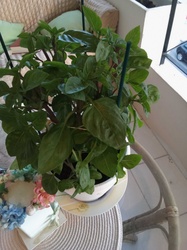
How to Care for Basil
Grow lush, bushy Basil (Ocimum basilicum) with full sun, warm temperatures, evenly moist rich soil, and regular pinching to keep plants compact.
Read the full Basil encyclopedia entry →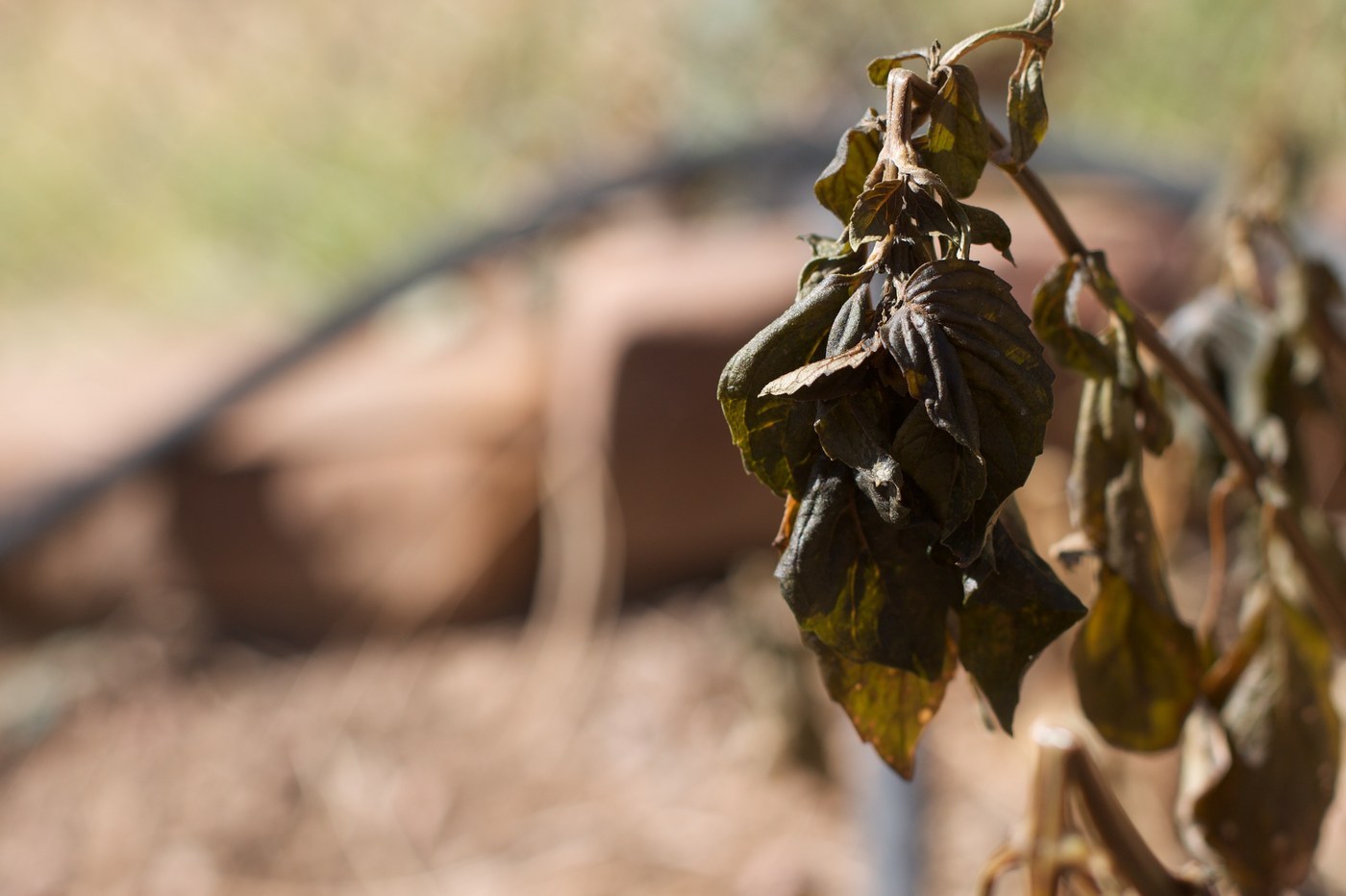
Basil (Ocimum basilicum) is a warm-season annual grown for its glossy, aromatic foliage and tidy, mounding habit. It is fast-growing and rewarding, making it one of the most popular container and garden herbs, and with full sun and consistent care it stays lush and bushy all season.
Light
Basil needs full sun, ideally 6 or more hours of direct light per day, to grow dense and vigorous. Indoors, place it on the brightest windowsill you have, preferably south-facing, and supplement with a grow light if leaves become pale or the plant stretches. Insufficient light produces leggy, weak stems with widely spaced leaves.
Water
Keep the soil evenly moist but never waterlogged, watering regularly whenever the top inch begins to dry. Basil wilts quickly when thirsty but recovers fast once watered. Aim to water at the base in the morning so foliage dries through the day, which helps prevent fungal issues. Containers dry faster than garden beds and may need daily watering in hot weather.
Soil & Potting
Grow basil in rich, well-draining soil with plenty of organic matter and a near-neutral pH. In pots, use a quality potting mix and ensure drainage holes are clear. Basil resents soggy roots, so a mix that holds moisture yet drains freely is ideal. A pot at least 8 inches deep gives roots room to support a full, leafy plant.
Humidity & Temperature
Basil is a heat-lover that thrives between about 70 and 90 degrees Fahrenheit and detests cold. It is very frost-sensitive, so keep it above roughly 50 degrees and never expose it to freezing temperatures. Moderate humidity suits it well; indoors, avoid cold drafts and chilly windowsills, which cause leaves to blacken and drop.
Feeding
Because basil grows fast and is harvested for foliage, feed it regularly during the growing season. A balanced liquid fertilizer every two to four weeks keeps leaf production strong. For container plants, lighter, more frequent feeding works better than a single heavy dose. Avoid overfeeding, which can produce lush but weaker growth.
Propagation
Basil propagates easily from seed sown in warm soil, germinating within about a week. It also roots readily from stem cuttings: snip a healthy 4-inch tip, remove lower leaves, and place it in water until roots form in a week or two, then pot up. This is a quick way to multiply a favorite plant throughout the season.
Repotting / Pruning
Pinch or pluck the growing tips frequently, starting when the plant has a few sets of leaves, to encourage branching and a bushy shape. Always pinch just above a leaf pair. Remove flower buds promptly to keep the plant producing foliage and delay it going to seed. Repot seedlings or nursery plants into larger containers as they fill out.
Common Problems & Pests
Common pests include aphids, whiteflies, and spider mites, which can be rinsed off or treated with insecticidal soap. Overly wet, poorly ventilated conditions invite fungal diseases such as downy mildew and damping off in seedlings, so ensure airflow and avoid overhead watering. Yellowing lower leaves often signal overwatering or a need for feeding, while blackened leaves point to cold damage.
Seasonal Care Tips
Start seeds indoors in late winter or sow outdoors only after all danger of frost has passed. Through the warm months, water consistently, feed regularly, and pinch often to keep plants compact and productive. As nights cool in autumn, growth slows; basil is an annual and will decline with the first frost, so take cuttings to overwinter a plant on a bright indoor sill if desired.
Frequently asked questions
Why is my basil getting tall and leggy?
Legginess usually means too little light or not enough pinching. Give it 6+ hours of direct sun and pinch the growing tips regularly to encourage a bushy, branching habit.
How often should I water basil?
Keep the soil evenly moist, watering whenever the top inch begins to dry. Container basil in hot weather may need daily watering; water at the base in the morning.
Should I remove basil flowers?
Yes, for the fullest, leafiest plants, pinch off flower buds as they appear. Flowering signals the plant to slow leaf production and go to seed.
Can I grow basil indoors?
Yes. Place it on your brightest, warmest windowsill, ideally south-facing, and add a grow light if it stretches. Keep it away from cold drafts and chilly glass.
How do I propagate basil?
Sow seed in warm soil or root stem cuttings in water. Take a 4-inch tip, strip the lower leaves, and place it in water until roots form in a week or two, then pot it up.
Basil identified by the community
Recent Basil specimens identified with Plant Identifier.