Basil
Ocimum basilicum
A fragrant, warmth-loving aromatic herb in the mint family, grown for its highly aromatic leaves.
- Light
- Full sun; 6+ hours
- Water
- Regular; keep evenly moist
- Difficulty
- Easy
Got a plant like this?
Identify any plant from a photo, free.
Overview
Basil is a tender annual herb in the mint family, native to tropical Asia and Africa and cultivated for millennia for its highly aromatic leaves. Sweet or Genovese basil is the most familiar type, while many other varieties offer scents of lemon, cinnamon, anise, and clove.
Fast-growing and heat-loving, basil is among the most popular herbs for home gardens and windowsills. Regular pinching keeps plants bushy and compact, and removing flower buds prolongs leafy growth.
How to identify it
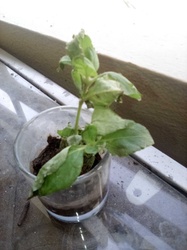
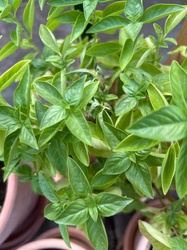
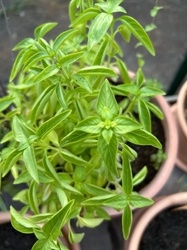
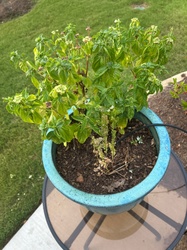
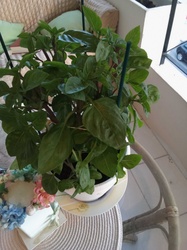
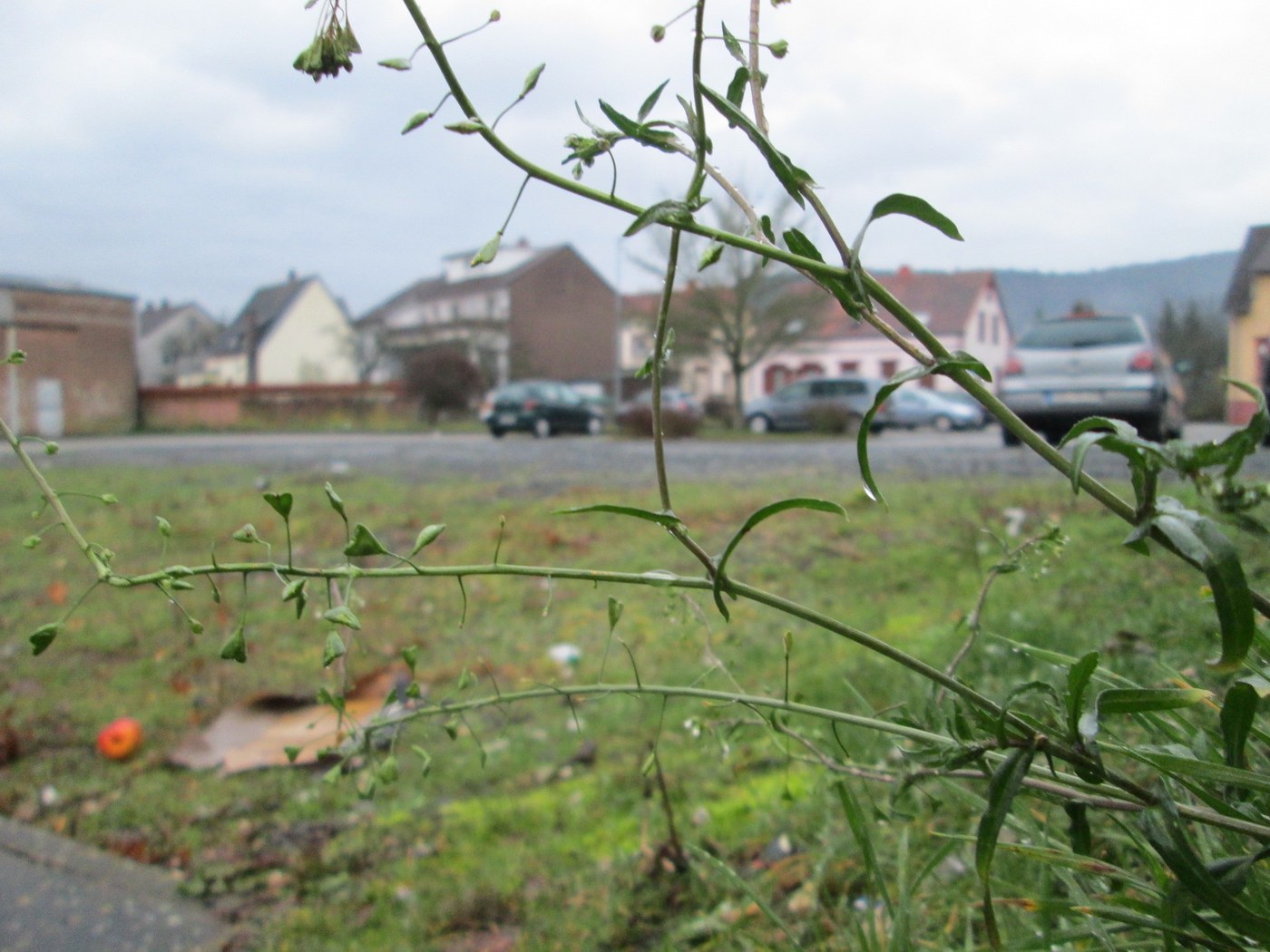
A bushy, soft-stemmed annual herb with a strong, sweet aroma.
- Leaves: smooth, oval, bright green (some purple), in opposite pairs, often slightly cupped and glossy
- Aroma: intensely fragrant when brushed or crushed, varying by type
- Stems: square in cross-section, typical of the mint family
- Flowers: small white or purplish blooms in spikes at the stem tips
- Height: 30-60 cm depending on variety, in a rounded bushy form
Care & growing
- Light: full sun, at least 6 hours daily; a bright windowsill indoors
- Water: keep soil evenly moist but not waterlogged; water at the base
- Soil: rich, well-drained soil with organic matter
- Temperature: warmth-loving and frost-tender; protect from cold below about 10C
- Feeding: light, regular feeding supports leafy growth
- Propagation: easy from seed or stem cuttings rooted in water; pinch tips often and remove flower buds to keep the plant leafy and compact
Habitat & origin
Ocimum basilicum is native to tropical regions of central Africa and Southeast Asia, where it grows in warm, sunny conditions.
It has been cultivated and traded for thousands of years and is now grown worldwide, both commercially and in home gardens. As a frost-tender plant it is grown outdoors in summer or year-round on sunny windowsills and in greenhouses.
Frequently asked questions
Why should I pinch off basil flowers?
Once basil flowers it diverts energy into seed production; pinching off the buds keeps the plant leafy and compact for longer.
How do I keep basil bushy?
Pinch stems just above a pair of leaves; this encourages branching and a fuller, bushier plant.
Can I grow basil indoors?
Yes, on a warm, sunny windowsill with at least six hours of light; it dislikes cold drafts.
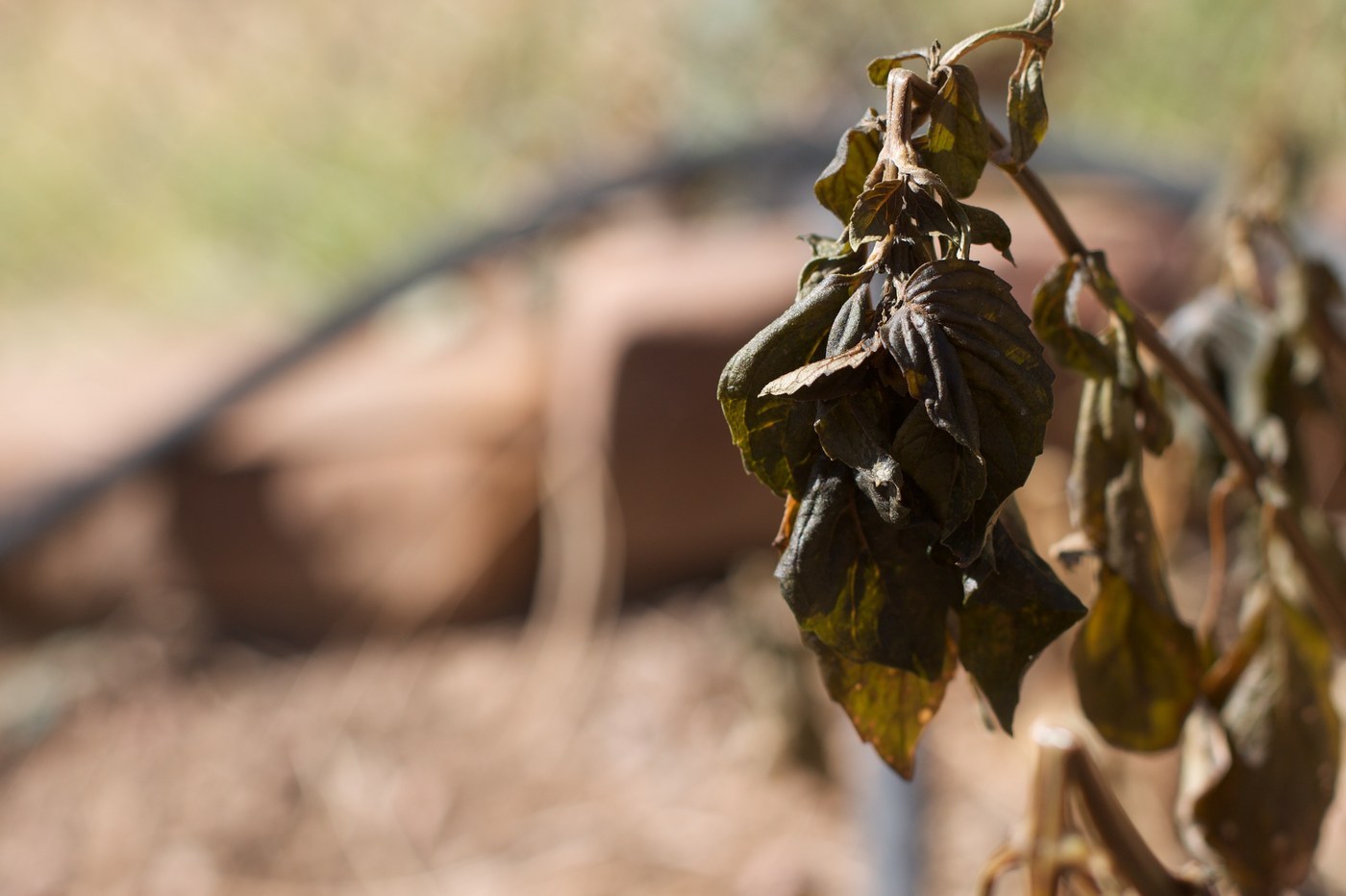
Why are my basil leaves turning yellow?
Common causes are overwatering, poor drainage, cold temperatures, or lack of nutrients; check that the soil drains well and is not soggy.
Basil guides
In-depth guides for identifying, growing, and caring for Basil.
How to Care for Basil
Grow lush, bushy Basil (Ocimum basilicum) with full sun, warm temperatures, evenly moist rich soil, and regular pinching to keep plants compact.
Basil Identification Guide
Identify basil by its glossy aromatic leaves, square stems and spikes of small white flowers. This guide covers its sweet clove-like scent and how to tell it from mint.
Basil identified by the community
Real specimens identified with Plant Identifier.