
How to Care for Basswood
Grow American basswood as a hardy shade tree in moist, well-drained soil with full sun to partial shade and minimal care.
Read the full Basswood encyclopedia entry →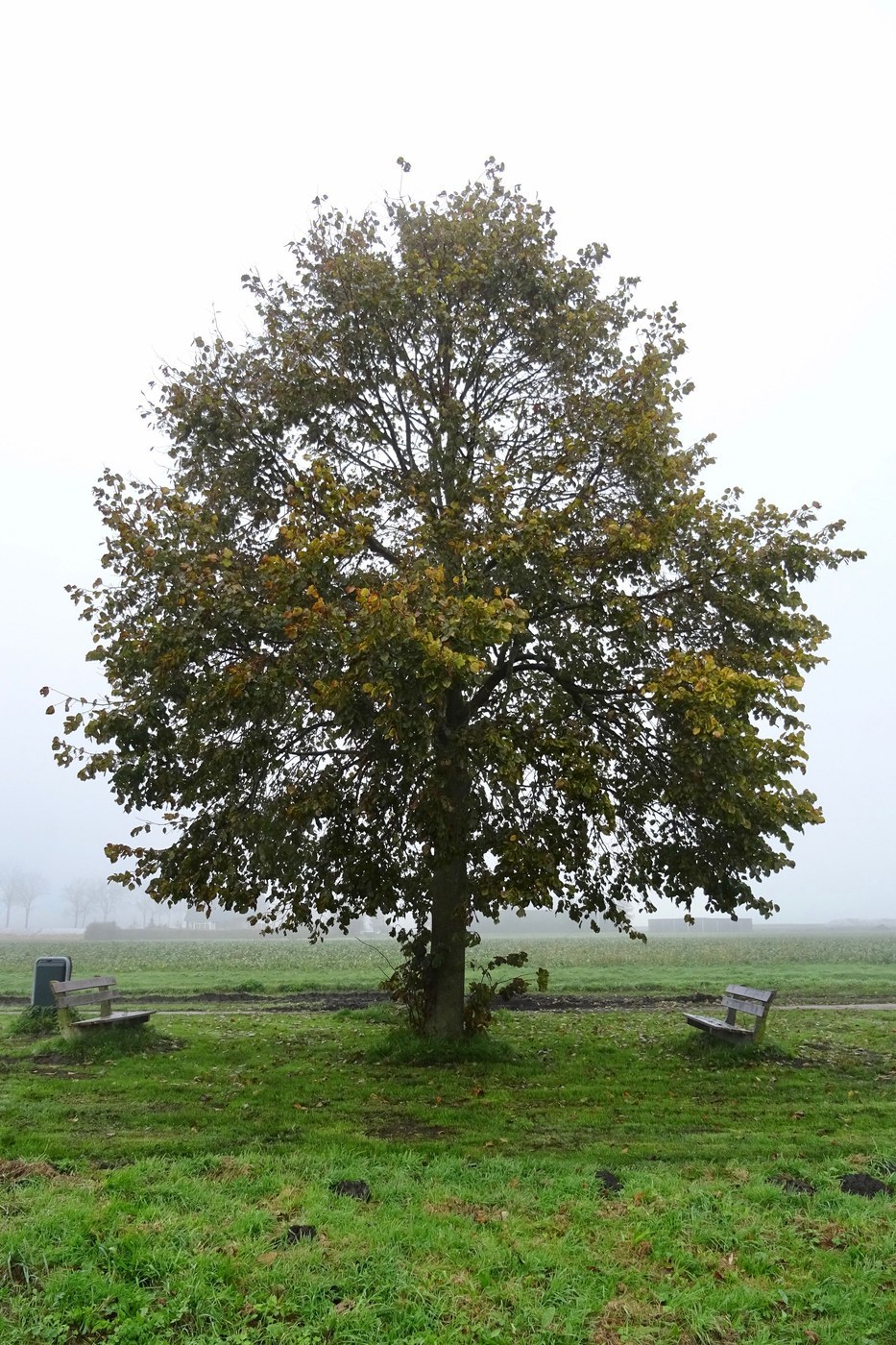
American basswood (Tilia americana), also known as American linden, is a large, fast-growing deciduous shade tree with broad heart-shaped leaves and a dense, rounded canopy. It is an easy, adaptable native tree well suited to parks, large lawns, and street plantings where space allows.
Light
Basswood grows in full sun to partial shade. It performs best in full sun, developing a full, symmetrical crown, but tolerates part shade better than many large shade trees, which makes it useful in mixed plantings and woodland-edge settings. More sun generally means denser growth and a stronger form.
Water
Basswood prefers moist, well-drained soil and appreciates consistent moisture, particularly while young. Water newly planted trees deeply and regularly through the first couple of growing seasons to establish a strong root system. Established trees tolerate average conditions but benefit from supplemental watering during prolonged drought, as basswood is not especially drought-tolerant and may show leaf scorch in hot, dry sites.
Soil & Potting
Give basswood deep, fertile, moist, well-drained soil for best growth. It naturally favors rich bottomland and loamy soils and tolerates a range of textures from sandy loam to clay loam, along with a broad pH range from slightly acidic to slightly alkaline. It does not thrive in thin, compacted, or very dry soils. Mulch the root zone to conserve moisture and keep the soil cool, holding mulch back from the trunk.
Humidity & Temperature
A cold-hardy temperate tree, basswood is well adapted to northern climates and generally thrives in USDA zones 3 through 8. It handles cold winters and warm summers without trouble and is indifferent to humidity. It does best where summers are not extremely hot and dry; in very exposed, arid sites the large leaves can scorch.
Feeding
Basswood rarely needs much feeding in good soil. For young trees or those in poorer ground, a balanced slow-release fertilizer or an annual layer of compost applied in early spring supports steady growth. Avoid overfeeding, and rely on mulch to slowly enrich the soil around established trees.
Propagation
Basswood can be grown from seed, though the seed has a hard coat and dormancy that require stratification and often takes a year or more to germinate. It also propagates readily from the sprouts and suckers it produces around the base and stump, which can be separated and grown on. Softwood cuttings and layering are additional options for the patient grower.
Repotting / Pruning
Prune in late winter to early spring while the tree is dormant, or in summer, removing dead, damaged, or crossing branches and any suckers at the base. Basswood is prone to producing basal sprouts, so remove these promptly to maintain a single clean trunk if a tree form is desired. Establish good structure early with light shaping; avoid heavy pruning of large limbs, which can leave big wounds.
Common Problems & Pests
Basswood is generally hardy but can attract aphids, which produce sticky honeydew that leads to sooty mold on leaves and surfaces below. Japanese beetles and various caterpillars may chew the foliage, and lace bugs can cause stippling. Leaf-scorch from drought and heat is common on stressed trees. Fungal leaf spots, cankers, and verticillium wilt can occur but are seldom serious in healthy, well-sited trees. Good soil moisture and air circulation keep most problems minor.
Seasonal Care Tips
In spring, apply mulch and any needed feeding as new growth emerges. In summer, water during dry spells to prevent leaf scorch and manage aphids if honeydew becomes a nuisance. In autumn, enjoy the yellow fall color and clean up fallen leaves. In winter, the dormant tree is very low-maintenance; late winter is a good time for structural pruning and sucker removal.
Frequently asked questions
How big does an American basswood get?
It is a large shade tree, commonly reaching 60 to 80 feet tall with a broad, rounded canopy, so it needs plenty of room. Plant it well away from buildings and power lines in parks or large lawns.
Is basswood easy to grow?
Yes. It is an adaptable, cold-hardy native that grows in full sun to partial shade across a wide range of soils. Its main needs are moist, well-drained soil and supplemental water during drought while it establishes.
Why does my basswood keep sprouting shoots at the base?
Basswood naturally produces basal sprouts and suckers. If you want a single clean trunk, remove them promptly by cutting them close to the base whenever they appear, ideally during dormant-season pruning.
Why are my basswood leaves turning brown at the edges?
Marginal browning, or leaf scorch, is usually caused by drought, heat, and dry wind, since basswood prefers moist soil and is not very drought-tolerant. Water deeply during dry spells and mulch the root zone to retain moisture.