Basswood
Tilia americana
Basswood, or American linden, is a large deciduous shade tree with big heart-shaped leaves and fragrant summer flowers beloved by bees. Its soft, pale wood is a favorite of woodcarvers.
- Light
- Full sun to partial shade
- Water
- Prefers moist, well-drained soil
- Difficulty
- Easy
Got a plant like this?
Identify any plant from a photo, free.
Overview
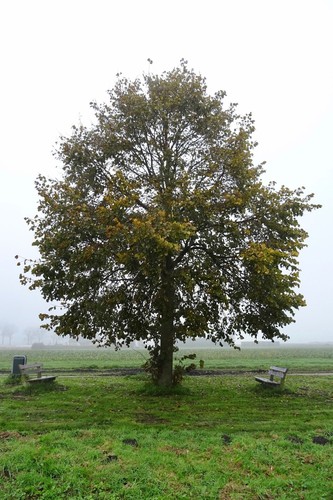
Basswood is a large deciduous shade tree native to eastern North America, where it is also commonly called American linden. It belongs to the linden genus Tilia and is closely related to the European lindens (also called lime trees).
The tree is known for its large, heart-shaped leaves, dense rounded crown of cooling shade, and clusters of small, pale yellow, intensely fragrant flowers in early summer that attract swarms of bees. Each flower cluster hangs from a distinctive leafy, strap-like bract.
Basswood's soft, even-textured, pale wood is light and easy to work, making it the preferred timber for hand carving, as well as for musical instruments and turnery.
How to identify it
- Leaves: Large, heart-shaped, asymmetrical at the base, with toothed edges and a pointed tip; dark green turning yellow in fall
- Flowers: Small, pale yellow, very fragrant flowers in drooping clusters, each attached to a narrow, leaf-like papery bract
- Fruit: Small, round, nut-like fruits hanging beneath the persistent bract, which acts as a wing for dispersal
- Bark: Grey-brown, smooth when young, becoming furrowed with flat ridges
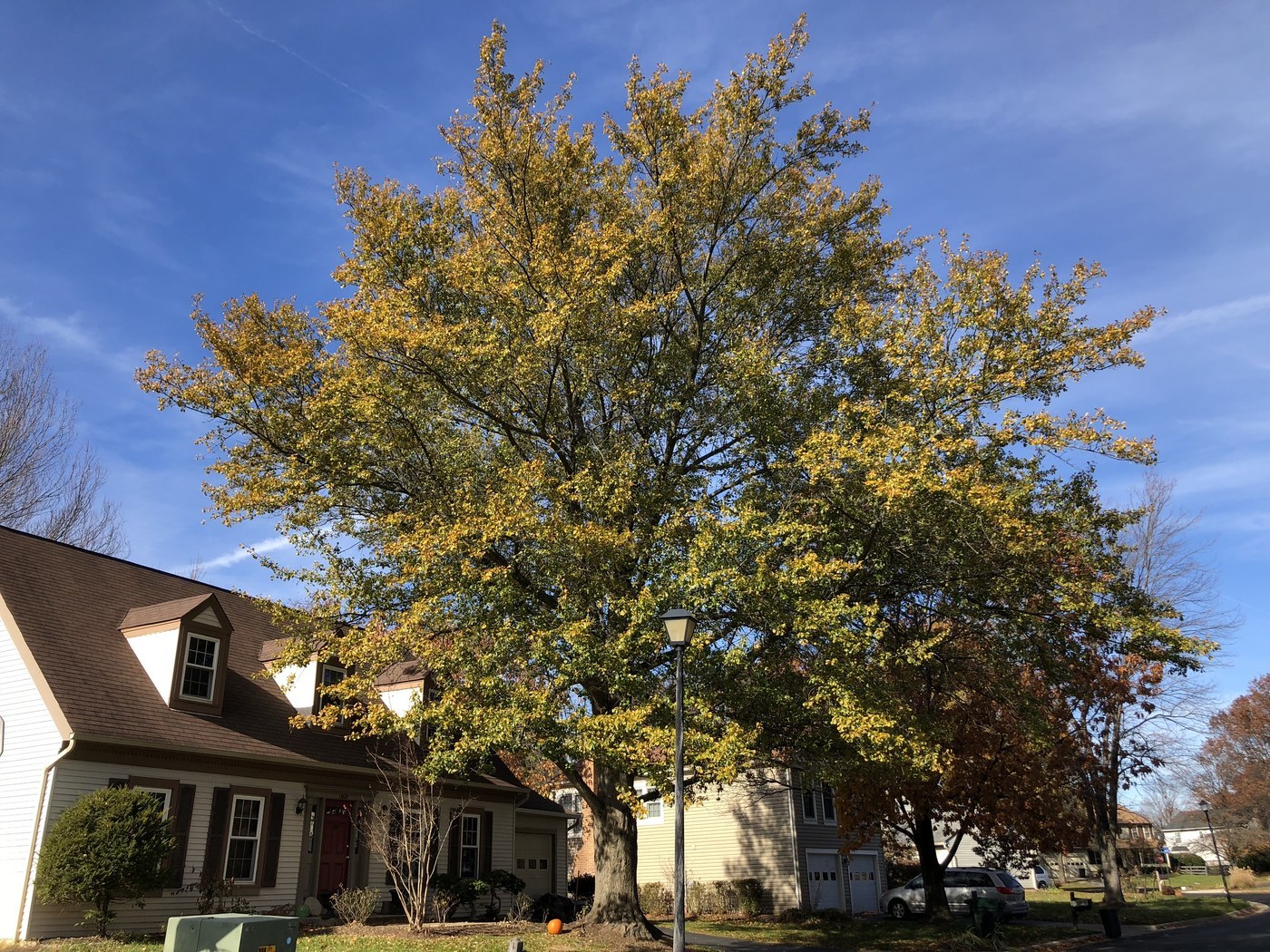
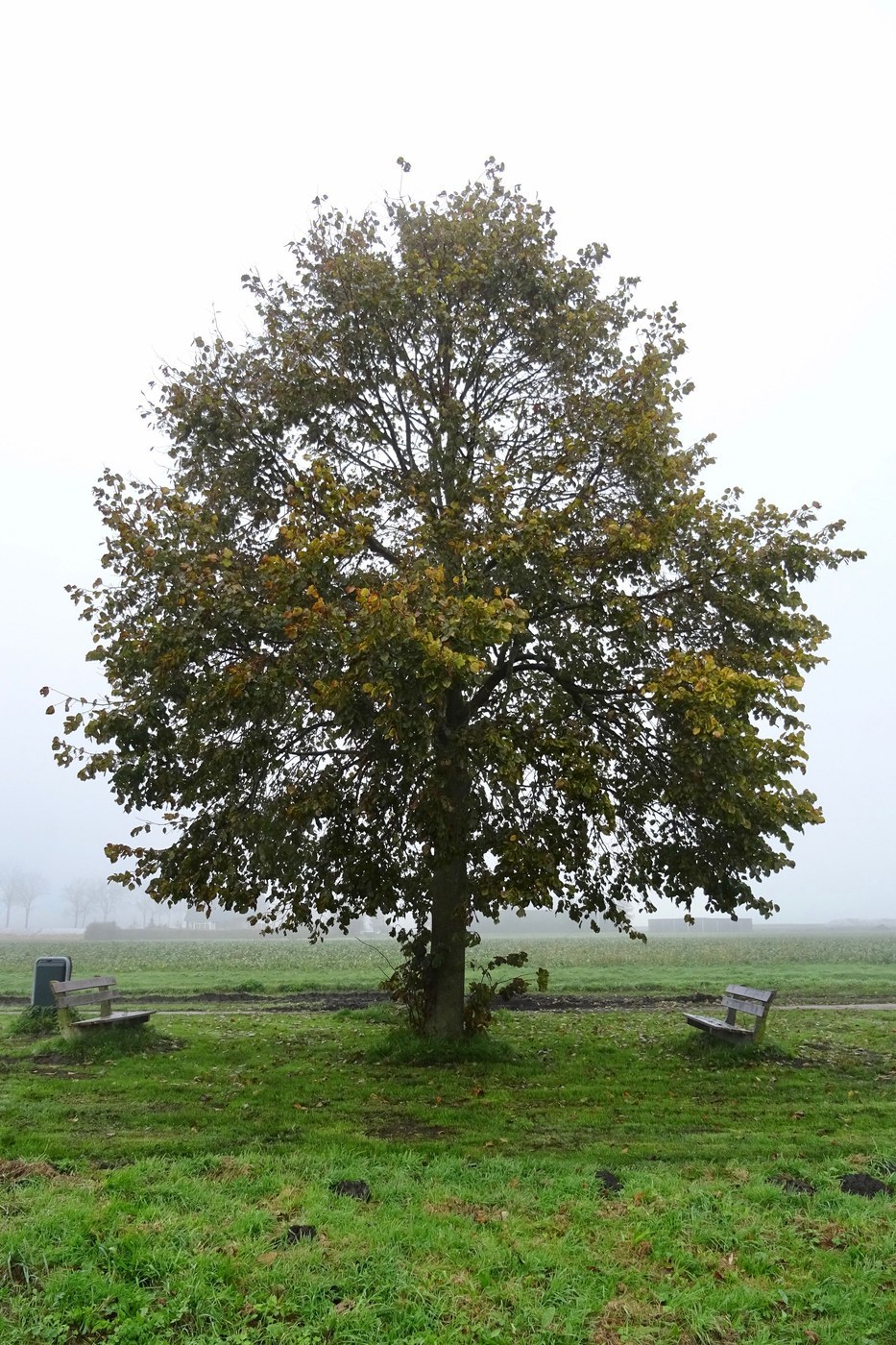
- Size: Typically 18–37 m (60–120 ft) tall with a broad, rounded crown
- Habit: Often produces sprouts and suckers at the base of the trunk
Care & growing
Light: Full sun to partial shade; very adaptable.
Water: Prefers moist, well-drained soil; water during dry spells, especially when young.
Soil: Grows best in deep, fertile, moist loams but tolerates a range of soils; prefers slightly acidic to neutral, well-drained ground.
Temperature: Cold-hardy across USDA zones 3–8.
Feeding: Light feeding in spring benefits young trees; mature trees rarely need it.
Maintenance: Tolerates pruning and pollarding well; may need basal sprouts removed.
Propagation: From seed (which is slow to germinate and often needs stratification), or from suckers, layering and cuttings.
Habitat & origin
Tilia americana is native to eastern and central North America, from southern Canada through the eastern and midwestern United States. It grows in moist, fertile woodlands, often alongside maples, oaks and other hardwoods.
It favors rich, well-drained soils in mixed deciduous forests and is also widely planted as a street and shade tree in parks and urban areas across temperate North America. Related linden species are planted similarly throughout Europe.
Frequently asked questions
Why is basswood the best wood for carving?
Its wood is soft, light, pale and fine-grained with little visible grain pattern, so it cuts cleanly in any direction and holds detail well — making it the favorite of hand carvers and whittlers.
Is basswood the same as linden or lime tree?
Yes — basswood is the American name for the native linden, Tilia americana. In Europe, related Tilia species are called lindens or lime trees (unrelated to the citrus lime).
Are basswood flowers good for bees?
Very. The fragrant summer blossoms are rich in nectar and attract large numbers of bees.
Basswood guides
In-depth guides for identifying, growing, and caring for Basswood.
How to Care for Basswood
Grow American basswood as a hardy shade tree in moist, well-drained soil with full sun to partial shade and minimal care.
Basswood Identification Guide
Identify American basswood (linden) by its large lopsided heart-shaped leaves, fragrant flowers hanging from a leafy bract, and round nutlets. Includes how to tell it from mulberry, catalpa, and other heart-leaved trees.