
How to Care for Bay Laurel
Grow guide for Bay Laurel (Laurus nobilis): a slow, evergreen shrub or small tree that thrives in containers, sun, and well-drained soil.
Read the full Bay Laurel encyclopedia entry →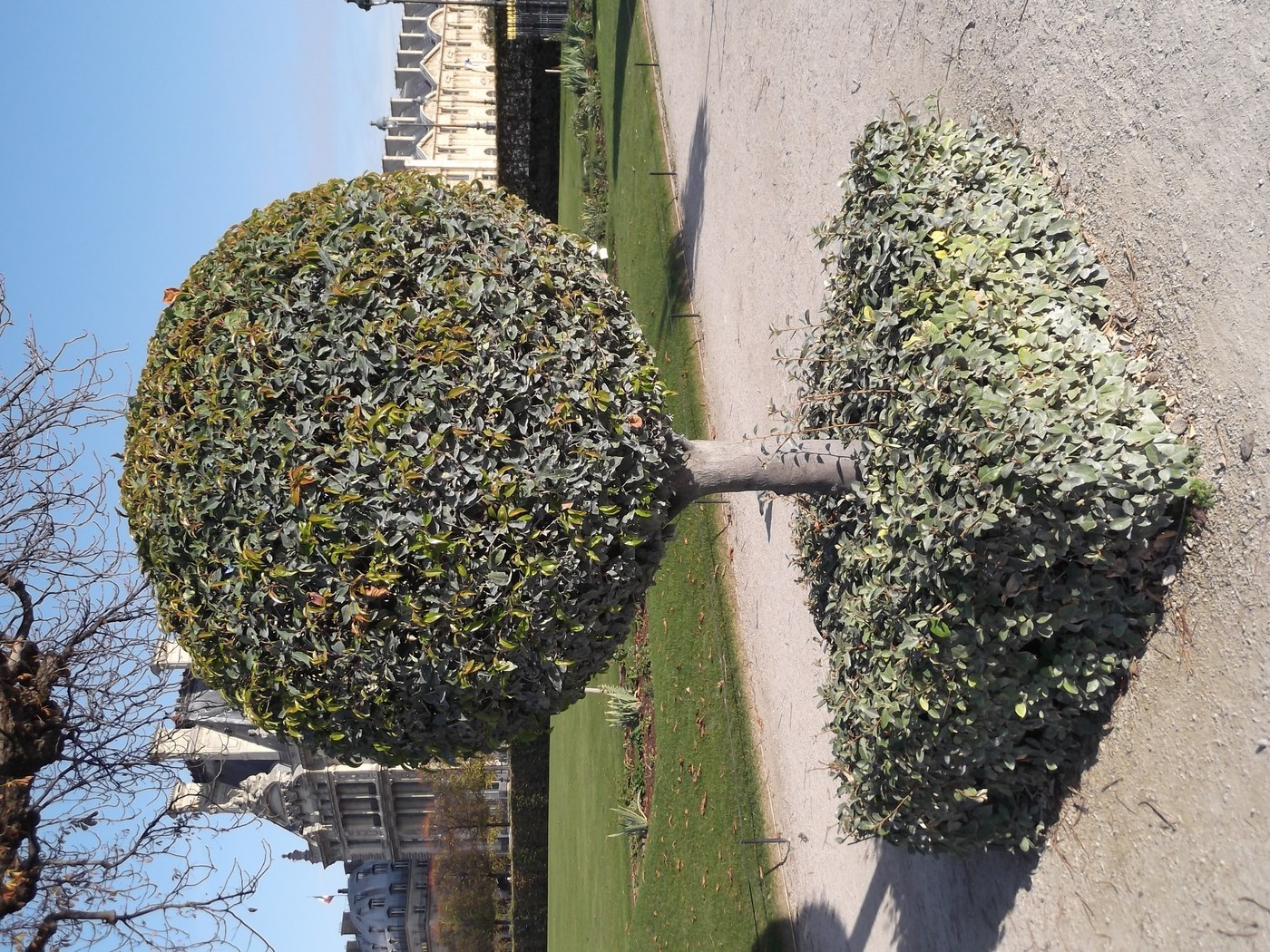
Bay Laurel (Laurus nobilis) is an evergreen, aromatic shrub or small tree with glossy, leathery leaves, long grown as an ornamental specimen, formal topiary, and container plant. It is easygoing, slow-growing, and forgiving, tolerating clipping and pot culture beautifully.
Light
Give Bay Laurel full sun to part shade. It grows most densely and compactly in a bright, sunny position, but tolerates light shade, where it stays looser. In hot climates a little afternoon shade prevents leaf scorch, while in cooler regions the maximum sun you can offer produces the best, tightest foliage.
Water
Water moderately, letting the top of the soil dry between waterings. Bay is quite drought-tolerant once established and dislikes constantly wet roots. Container plants need more attention in summer heat but must still drain freely. Ease off watering in winter, when growth slows and the plant uses far less moisture.
Soil & Potting
Use a well-drained, loam-based potting mix. Bay resents soggy soil and does best when excess water drains quickly, so add grit or perlite to heavy mixes and always use pots with drainage holes. In the ground it prefers fertile, free-draining soil. A slightly gritty, open medium keeps the roots healthy in long-term container culture.
Humidity & Temperature
Bay Laurel enjoys mild, Mediterranean conditions. It is moderately frost-hardy once mature but young plants and container specimens should be protected from hard freezes and cold drying winds. In colder climates, grow it in a pot that can be moved to a sheltered spot, a cold greenhouse, or an unheated porch over winter. It has no special humidity needs.
Feeding
Feed container plants during the growing season with a balanced liquid fertilizer every few weeks, or use a slow-release feed in spring. In-ground plants need little feeding beyond an annual mulch of compost. Because bay grows slowly, avoid overfeeding, which can produce weak, sappy growth prone to pests.
Propagation
Bay is propagated from semi-ripe cuttings taken in late summer, though they root slowly and unevenly, so take several and be patient. Layering low branches is another reliable method. Seed is possible but slow and erratic to germinate. Cuttings kept warm with high humidity and bright, indirect light give the best success.
Repotting / Pruning
Repot container plants every two to three years in spring, moving up one pot size or refreshing the top layer of soil in large tubs. Bay tolerates clipping extremely well and is a favorite for topiary shapes like balls, cones, and standards. Prune and shape in late spring to summer, and remove any dead or crossing stems to keep the plant open and healthy.
Common Problems & Pests
Scale insects are the most common pest, appearing as brown bumps on stems and leaf undersides, often with sticky honeydew and sooty mold; wipe them off or treat with horticultural oil. Bay sucker causes leaf edges to curl, thicken, and yellow. Overwatering and poor drainage cause root rot and yellowing leaves. Good airflow, careful watering, and prompt pest removal keep plants in top condition.
Seasonal Care Tips
In spring, repot if needed, begin feeding, and prune to shape. Through summer keep container plants watered and watch for scale. In autumn, reduce feeding and prepare to protect tender or potted plants. Over winter, move containers to shelter in cold regions, cut back on water, and shield from freezing winds.
Frequently asked questions
How much sun does Bay Laurel need?
Full sun to part shade. It grows densest and most compact in bright sun, though it tolerates light shade. In very hot climates, a little afternoon shade prevents leaf scorch.
How often should I water Bay Laurel?
Moderately. Let the top of the soil dry between waterings, and never leave the roots waterlogged. Container plants need more in summer heat but must drain freely; water less in winter.
Can Bay Laurel survive winter outdoors?
Mature plants are moderately frost-hardy, but young and potted specimens should be protected from hard freezes and cold winds. In cold climates, move containers to a sheltered, unheated spot.
How do I propagate Bay Laurel?
Take semi-ripe cuttings in late summer, keeping them warm and humid; they root slowly, so take several. Layering low branches is another reliable method. Seed is slow and erratic.
Why are there brown bumps on my bay leaves?
Those are likely scale insects, the most common bay pest. Wipe them off or treat with horticultural oil, and clean off any sticky honeydew or sooty mold they leave behind.