
Bay Laurel Identification Guide
Identify bay laurel (Laurus nobilis) by its aromatic, leathery, wavy-edged leaves and its dense evergreen tree habit.
Read the full Bay Laurel encyclopedia entry →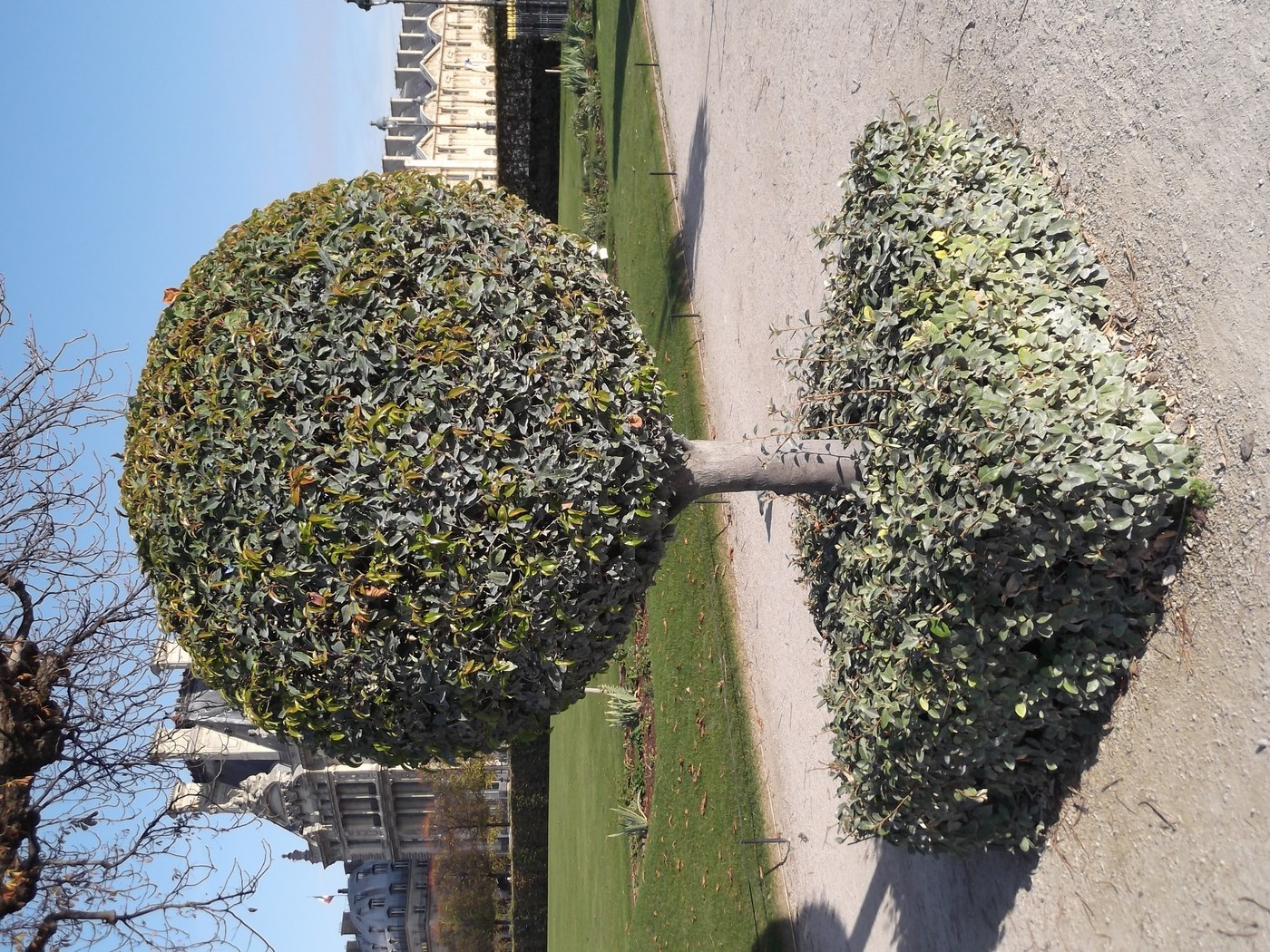
Key Identifying Features
Bay laurel (Laurus nobilis) is a Mediterranean evergreen shrub or small tree. The decisive test is the leaf: crush or scratch one and it releases a warm, spicy, slightly clove-and-eucalyptus aroma. No look-alike has that exact scent.
- Dense evergreen shrub to small tree, 6–40 ft (often clipped small)
- Leathery, glossy, dark-green leaves with a wavy margin
- Intensely aromatic foliage
- Small yellow flowers; small black berries on female plants
Leaves & Stems
Leaves are alternate, simple, lance-shaped to oblong (2–4 in), leathery, and glossy dark green above, paler below, with a smooth but distinctly wavy (undulating) margin and a pointed tip. They have a prominent midrib and faint pinnate veins, and feel stiff and tough. The unmistakable confirmation is the strong, warm, spicy fragrance when a leaf is crushed. Young stems are green, becoming gray-brown and finely fissured with age.
Flowers & Fruit
Bay laurel is usually dioecious. Flowers are small, pale yellow to cream, in little clusters in the leaf axils in spring — subtle and easily missed. Female plants bear small, oval, shiny berries (about ½ in) that ripen from green to glossy black or dark purple, each containing one seed. The berries are aromatic and each contains a single seed.
How to Tell It Apart from Look-Alikes
- Cherry laurel (Prunus laurocerasus): superficially similar glossy leaves, but they smell of bitter almond/marzipan when crushed and have small teeth on the margin, unlike bay laurel's warm spicy scent and untoothed wavy edge.
- Portuguese laurel: reddish leaf stalks and almond-scented leaves, not the warm bay aroma.
- Camphor laurel / other Lauraceae: aromatic but with a camphor or different scent.
- Rhododendron / mountain laurel: leathery leaves but no bay aroma and showy flowers.
The leathery, wavy-edged, glossy leaves with the unmistakable warm spicy bay aroma is the definitive ID — always confirm by smell to separate it from similar-looking laurels.
Where You'll Find It
Native to the Mediterranean, bay laurel is grown worldwide as a clipped topiary (standards, cones, balls) and evergreen screen. It tolerates drought, salt, and clipping, prefers full sun to part shade and well-drained soil, and is often grown in containers in colder climates to overwinter indoors.
Quick ID Checklist
- Dense evergreen shrub or small tree
- Leathery, glossy, dark-green leaves with wavy margins
- Strong warm, spicy bay aroma when crushed (key test)
- Small pale-yellow spring flowers
- Glossy black berries on female plants
- Often grown as topiary or evergreen screen
If a glossy-leaved evergreen has stiff, wavy-edged leaves with a warm, spicy aroma, it's bay laurel — but always rule out cherry laurel, which smells of marzipan and has toothed leaf edges instead.
Frequently asked questions
What do bay laurel leaves look like?
They are alternate, simple, lance-shaped to oblong (2–4 in), leathery and stiff, glossy dark green above and paler below, with a smooth but distinctly wavy margin and a pointed tip, plus a prominent midrib.
How do I tell bay laurel from cherry laurel?
Compare the leaves: bay laurel has smooth, wavy, untoothed margins and a warm, spicy aroma when crushed, while cherry laurel has small teeth along the margin and an almond or marzipan scent. Shape, margin, and scent together separate them.
Why are some bay laurels covered in flowers and others not?
Bay laurel is usually dioecious, with separate male and female plants. Only female plants produce berries, and flowering is modest on both, so the small yellow spring blooms are easy to miss regardless of sex.
Can bay laurel be grown in a pot?
Yes, it's commonly grown in containers and clipped into standards, cones, or balls, which also lets gardeners in cold climates move it indoors over winter since it isn't fully frost-hardy. It tolerates regular clipping well.