How to Care for Bay Leaf
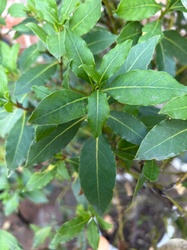
Grow bay laurel (Laurus nobilis), a handsome evergreen shrub or small tree with glossy aromatic leaves, ideal for pots and clipped topiary.
Read the full Bay Leaf encyclopedia entry →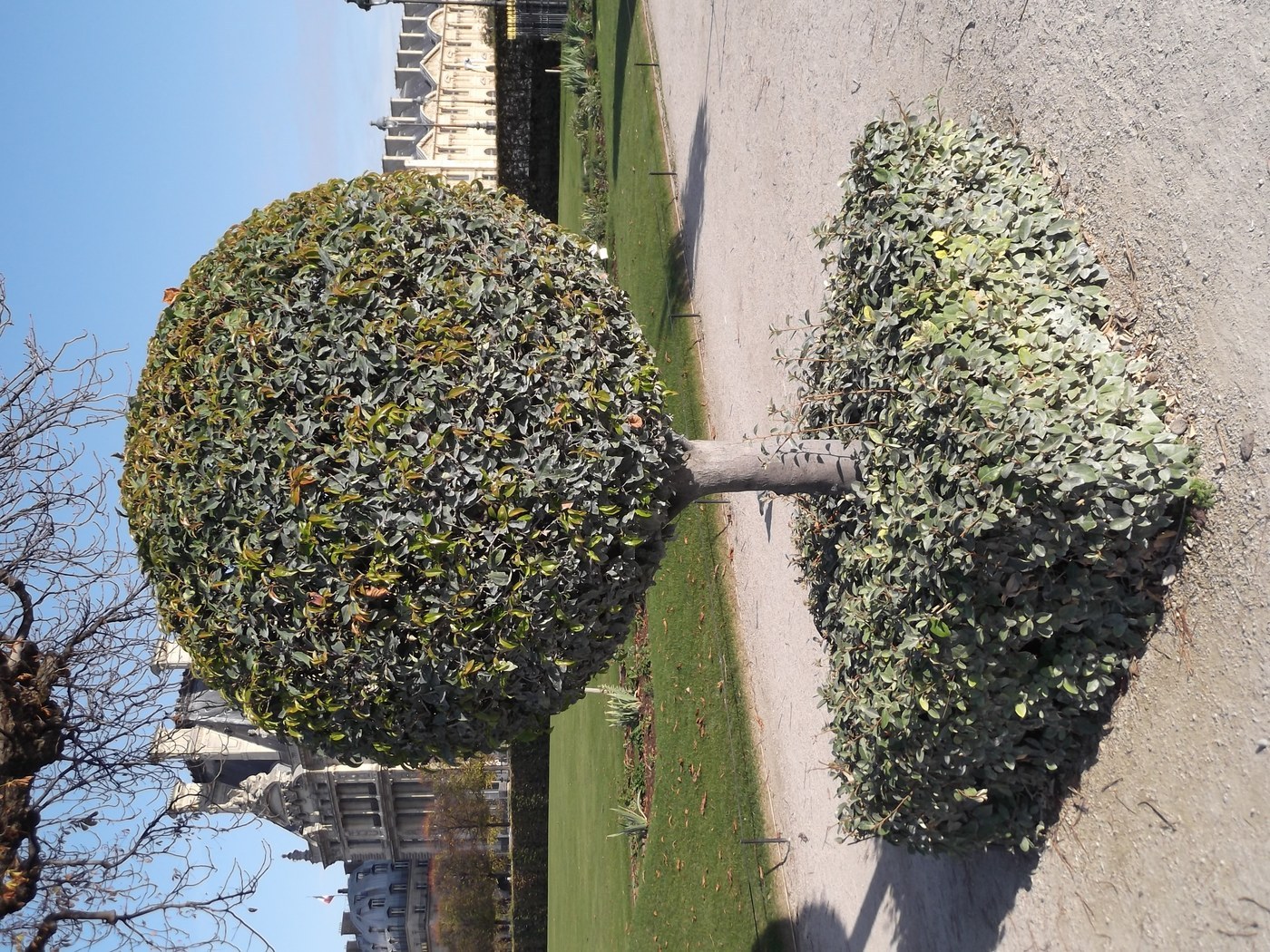
Bay laurel is a slow-growing evergreen shrub or small tree with dense, glossy, leathery aromatic leaves. Native to the Mediterranean, it is easy-going, long-lived, and popular as a container specimen or clipped topiary. It appreciates warmth and good drainage.
Light
Bay grows well in full sun to partial shade. It develops its densest, most compact form in full sun but tolerates a few hours of shade, especially in hot climates where some afternoon relief is welcome. Indoors or in a conservatory, give it the brightest position available and turn the pot regularly for even growth.
Water
Water moderately, letting the top inch or two of soil dry between waterings. Bay dislikes constantly wet roots and is prone to root rot in soggy conditions, yet container plants can also dry out quickly in summer heat, so check often. Aim for soil that is moist but never waterlogged, and reduce watering markedly in winter.
Soil & Potting
Use a fertile, well-drained potting mix; a loam-based compost with added grit or perlite suits container plants well. Good drainage is essential, so always choose a pot with drainage holes and never leave the plant standing in water. In the ground, bay tolerates a range of soils provided they are not heavy and waterlogged.
Humidity & Temperature
Bay enjoys warm, temperate conditions and average humidity. It is moderately frost-hardy once established but young plants and container specimens are vulnerable to hard freezes and cold, drying winds, which scorch and brown the foliage. In cold regions, overwinter potted plants in a sheltered spot, a cool greenhouse, or bring them indoors.
Feeding
Feed container-grown bay with a balanced liquid fertilizer every few weeks through spring and summer, or apply a slow-release feed in spring. Ground-grown plants need little feeding beyond an annual mulch of compost. Stop feeding in autumn and winter. Bay is a slow grower, so modest, steady feeding suits it better than heavy applications.
Propagation
Bay is propagated from semi-ripe cuttings taken in late summer, though they can be slow and sometimes reluctant to root; using a hormone rooting aid and bottom heat improves success. It can also be grown from seed, which is slow to germinate, or by layering low branches. Patience is essential with all methods.
Repotting / Pruning
Repot container plants every couple of years in spring, moving up one pot size, or top-dress large specimens with fresh compost. Bay responds beautifully to clipping and is often trained into standards, cones, or balls; prune to shape in late spring and summer, cutting individual stems with secateurs rather than shearing across the large leaves. Remove any winter-damaged growth once new shoots emerge.
Common Problems & Pests
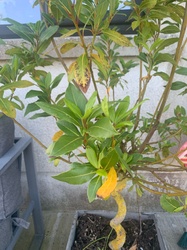
The most common pest is bay sucker, which causes leaf edges to thicken, curl, and yellow; pick off and dispose of affected leaves. Scale insects can also settle on stems and leaf undersides, producing sticky residue and sooty mold. Yellowing leaves often reflect waterlogging, cold damage, or nutrient shortage in tired container soil. Ensure sharp drainage and good airflow to prevent problems.
Seasonal Care Tips
In spring, repot or top-dress, begin feeding, and prune to shape as new growth starts. Through summer, water attentively in the heat and clip topiary to keep it neat. In autumn, taper off feeding and watering. In winter, protect container and young plants from hard frost and cold winds, keeping the soil only just moist, as an evergreen still loses some water in cold, dry weather.
Frequently asked questions
Can I grow a bay tree in a pot?
Yes, bay is one of the best evergreens for containers. Use a well-drained loam-based mix, water moderately, feed through summer, and repot every couple of years. Its slow growth and tolerance of clipping make it ideal for potted topiary.
Why are my bay tree's leaves turning yellow?
Yellowing commonly comes from waterlogged soil, cold or wind damage, or depleted nutrients in old container compost. Check drainage, protect from frost and cold winds, and refresh the soil or feed in spring.
What causes curled, thickened leaf edges on my bay?
That is typically bay sucker, a sap-feeding pest that distorts and yellows the leaf margins. Pick off and dispose of affected leaves and encourage good airflow around the plant.
Is bay laurel frost-hardy?
It is moderately hardy once established but young and potted plants can be damaged by hard freezes and cold, drying winds. In cold regions, shelter containers or move them to a cool greenhouse or indoors over winter.
Bay Leaf identified by the community
Recent Bay Leaf specimens identified with Plant Identifier.