Bay Leaf
Laurus nobilis
Bay laurel is an aromatic evergreen Mediterranean tree grown for its glossy, fragrant leaves and as an ornamental.
- Light
- Full sun to partial shade
- Water
- Moderate; let topsoil dry between waterings
- Difficulty
- Easy
Got a plant like this?
Identify any plant from a photo, free.
Overview
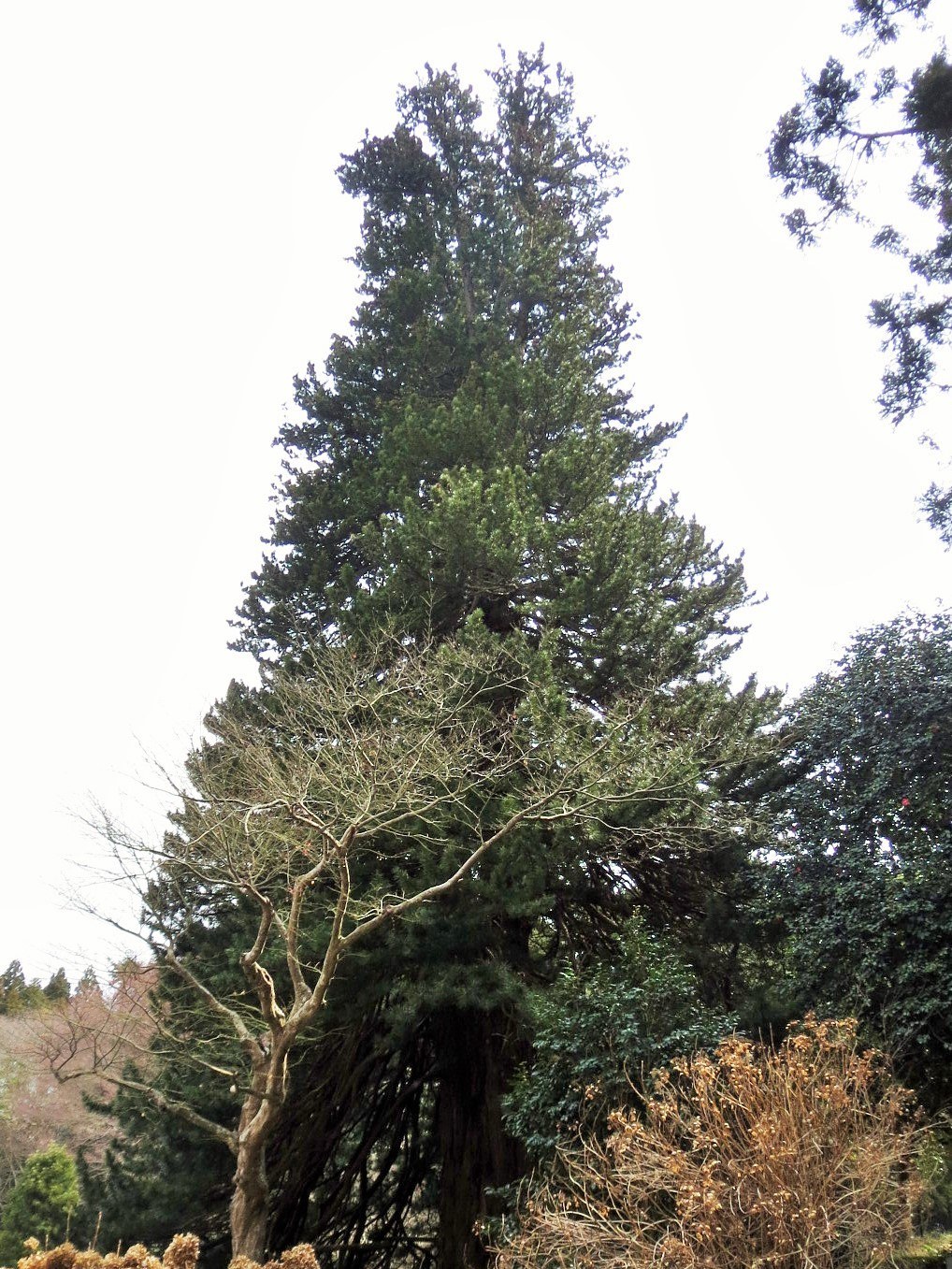
Bay laurel is a slow-growing evergreen tree or large shrub native to the Mediterranean, grown for its glossy, aromatic leaves. It is the true laurel of antiquity, used to crown victors and poets.
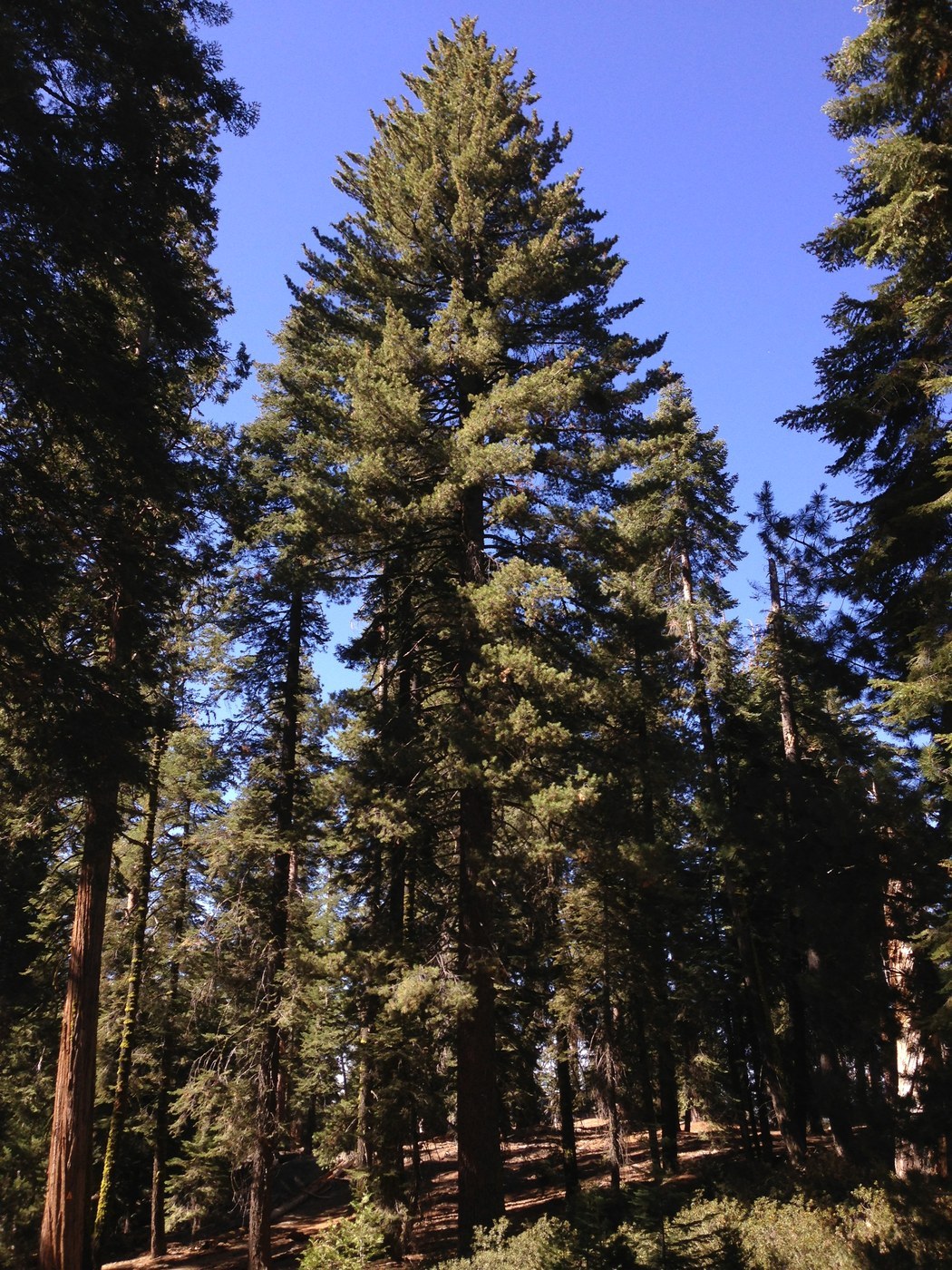
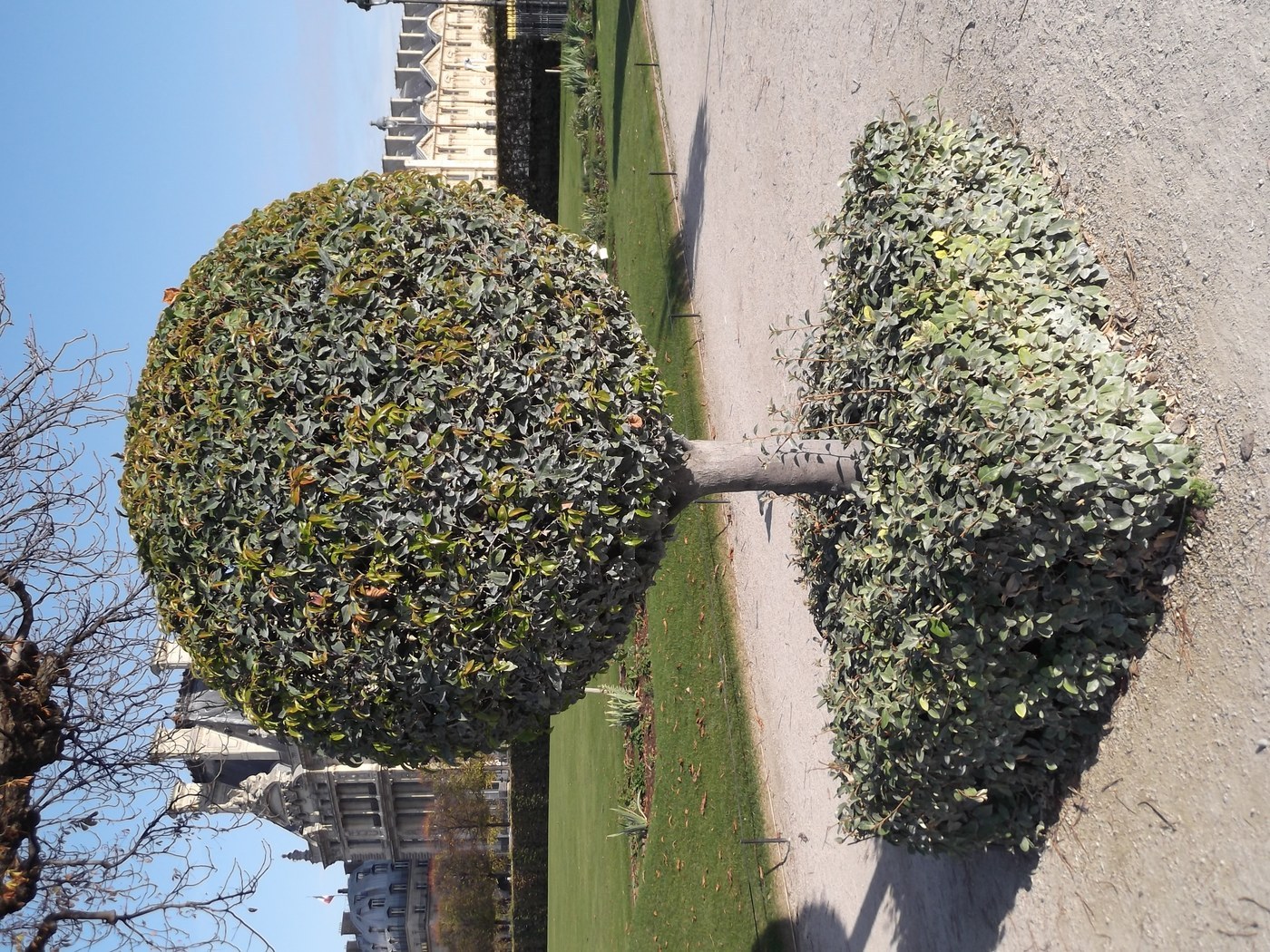
The plant can grow into a sizable tree but tolerates clipping well, making it popular as a formal container topiary.
It is an aromatic culinary herb and is also widely valued as an evergreen ornamental. Note that several unrelated plants are also called "laurel"; this entry refers to the true bay, Laurus nobilis.
How to identify it
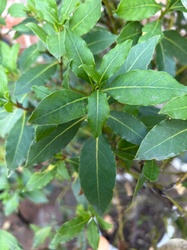
Bay laurel is recognized by its leathery, aromatic evergreen leaves.
- Leaves: Glossy, dark green, leathery, lance-shaped with smooth wavy margins, strongly aromatic when crushed
- Bark: Smooth, dark, on a multi-stemmed or single trunk
- Flowers: Small, pale yellow-green clusters in spring (plants are male or female)
- Fruit: Small dark purple-black berries on female plants
- Height: Can reach 7-18 m (23-60 ft) as a tree but is usually kept much smaller in cultivation
Care & growing
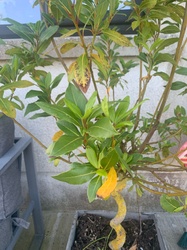
Bay laurel is undemanding and well suited to container culture.
- Light: Full sun to partial shade
- Water: Moderate; allow the topsoil to dry between waterings and avoid waterlogging, especially in pots
- Soil: Well-drained, fertile soil
- Temperature: Tolerant of mild frost when established but best protected from hard freezes; bring container plants under cover in cold winters
- Feeding: Feed potted plants during the growing season
- Propagation: From semi-ripe cuttings (slow to root) or layering; seed is slow and erratic. Clips well for topiary; prune in summer.
Habitat & origin
Bay laurel is native to the Mediterranean basin, where it grows in woodlands and scrub. It is a relic of the laurel forests that once covered larger areas of the region.
It is widely cultivated in warm-temperate gardens for its foliage and as an ornamental. In cooler climates it is commonly grown in pots and overwintered under shelter.
Frequently asked questions
How do I identify bay laurel?
Look for leathery, glossy dark-green, lance-shaped leaves with smooth wavy margins that are strongly aromatic when crushed, carried on a dense evergreen tree or shrub.
Can I grow bay laurel in a pot?
Yes, and it is a popular container plant. It grows slowly, tolerates clipping into topiary shapes, and in cold climates can be moved under shelter for winter.
Where is bay laurel native to?
It is native to the Mediterranean basin, where it grows in woodlands and scrub as a relic of the laurel forests that once covered much of the region.
Bay Leaf guides
In-depth guides for identifying, growing, and caring for Bay Leaf.
How to Care for Bay Leaf
Grow bay laurel (Laurus nobilis), a handsome evergreen shrub or small tree with glossy aromatic leaves, ideal for pots and clipped topiary.
Bay Leaf Identification Guide
Recognize the bay laurel by its glossy, leathery, lance-shaped aromatic evergreen leaves, small yellowish flowers, and dark berries. Covers how to distinguish bay laurel from similar cherry-laurel look-alikes.
Bay Leaf identified by the community
Real specimens identified with Plant Identifier.