Bay Leaf Identification Guide
Recognize the bay laurel by its glossy, leathery, lance-shaped aromatic evergreen leaves, small yellowish flowers, and dark berries. Covers how to distinguish bay laurel from similar cherry-laurel look-alikes.
Read the full Bay Leaf encyclopedia entry →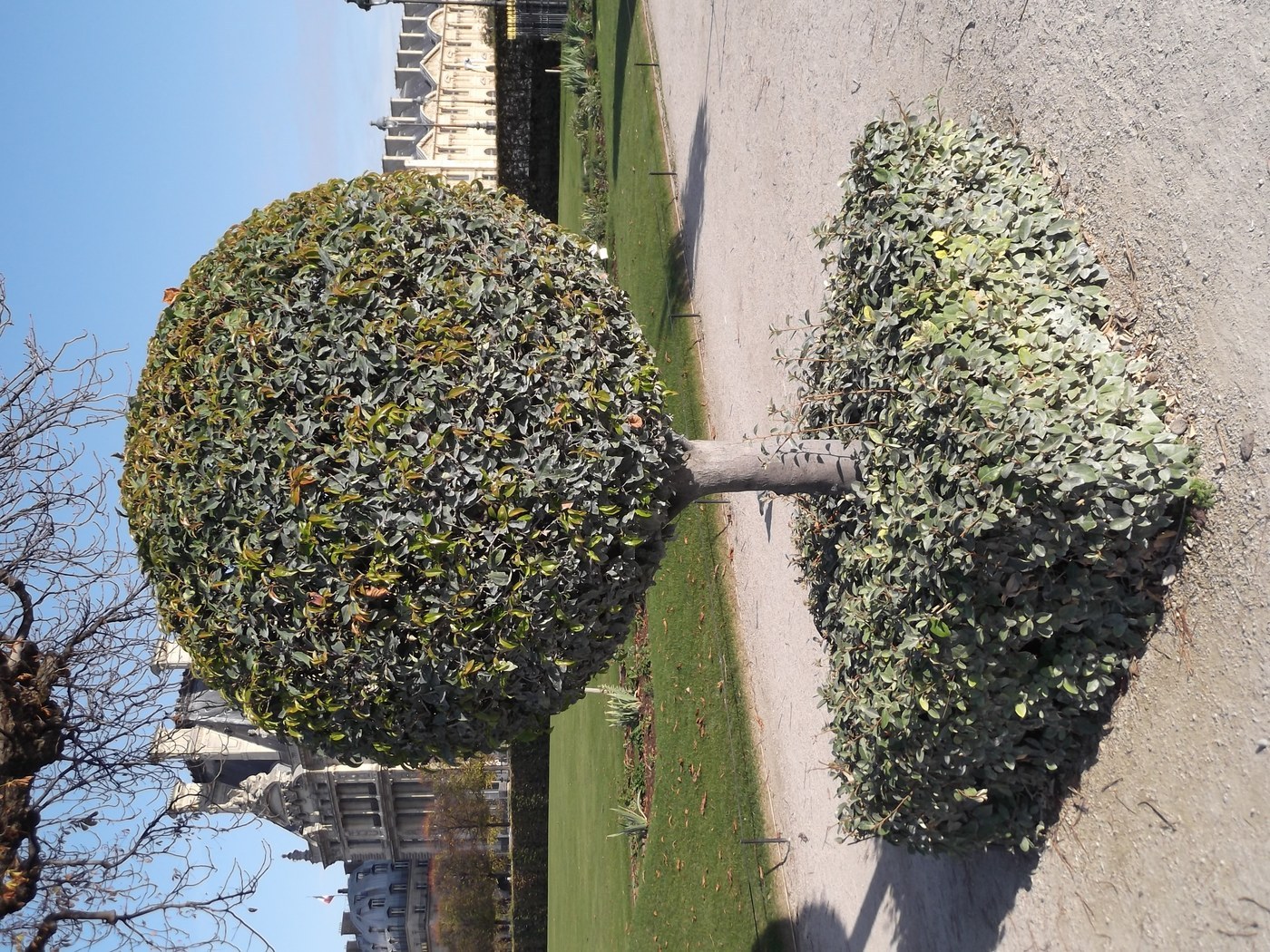
Key Identifying Features
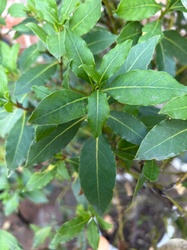
Bay leaf comes from the bay laurel (Laurus nobilis), an evergreen tree or shrub in the laurel family (Lauraceae). Its signature is the glossy, dark green, leathery, lance-shaped leaf with a strong sweet-spicy aroma when crushed. The tree grows as a dense pyramidal shrub or small tree up to 7-12 m, often kept clipped.
Leaves & Stems
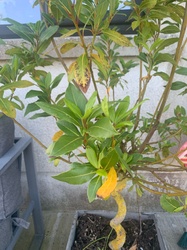
- Leaves are elliptic to lance-shaped (lanceolate), 5-10 cm long, alternate, with smooth or slightly wavy margins.
- They are thick, stiff, leathery, glossy dark green above, paler below, with a prominent midrib.
- A crushed leaf gives a warm, aromatic, clove-eucalyptus-pepper scent.
- Young stems are green; older bark is gray-brown and smooth.
Flowers & Fruit
- Plants are usually dioecious (separate male and female trees).
- Small, pale yellow-green star-shaped flowers cluster in the leaf axils in spring.
- Female trees produce shiny black-to-dark-purple oval berries about 1-1.5 cm, each with one seed.
How to Tell It Apart from Look-Alikes
- Cherry laurel (Prunus laurocerasus) is a common look-alike: its crushed leaves smell of bitter almonds/marzipan, are broader, and the plant bears white flower spikes and red-to-black cherry-like fruit.
- Portugal laurel similarly has almond-scented leaves.
- California bay (Umbellularia californica) is a related tree but with a much sharper, more pungent scent.
- The confirmation is the warm sweet-spicy (not almond) aroma plus stiff lance-shaped leaves.
Where You'll Find It
Native to the Mediterranean, bay laurel is grown in gardens, courtyards, and large pots worldwide, often shaped into topiary. It likes full sun to part shade and well-drained soil and tolerates clipping and container life well.
Quick ID Checklist
- Glossy, leathery, lance-shaped evergreen leaves
- Warm sweet-spicy aroma (NOT almond) when crushed
- Small yellow-green flowers in leaf axils
- Dark purple-black berries on female trees
- Dense pyramidal evergreen tree/shrub habit
Frequently asked questions
How do I tell bay laurel from cherry laurel?
Compare leaf scent and shape: bay laurel leaves are stiff and lance-shaped with a warm, sweet-spicy scent, while cherry laurel leaves are broader and smell of bitter almonds or marzipan.
What do bay laurel leaves look like?
They are stiff, leathery, glossy dark green, elliptic to lance-shaped, 5-10 cm long, with smooth or slightly wavy edges and a prominent midrib.
Does the bay tree have flowers and berries?
Yes. It bears small pale yellow-green flowers in spring, and female trees produce shiny dark purple-black oval berries, each containing a single seed.
Is bay laurel evergreen?
Yes, it keeps its glossy leaves year-round and can be grown as a clipped shrub, topiary, or small tree, making it popular in pots and formal gardens.
Bay Leaf identified by the community
Recent Bay Leaf specimens identified with Plant Identifier.