
How to Care for Bearberry
Bearberry is a tough, low, evergreen groundcover shrub for lean, acidic, well-drained soil; drought-tolerant once established with glossy foliage.
Read the full Bearberry encyclopedia entry →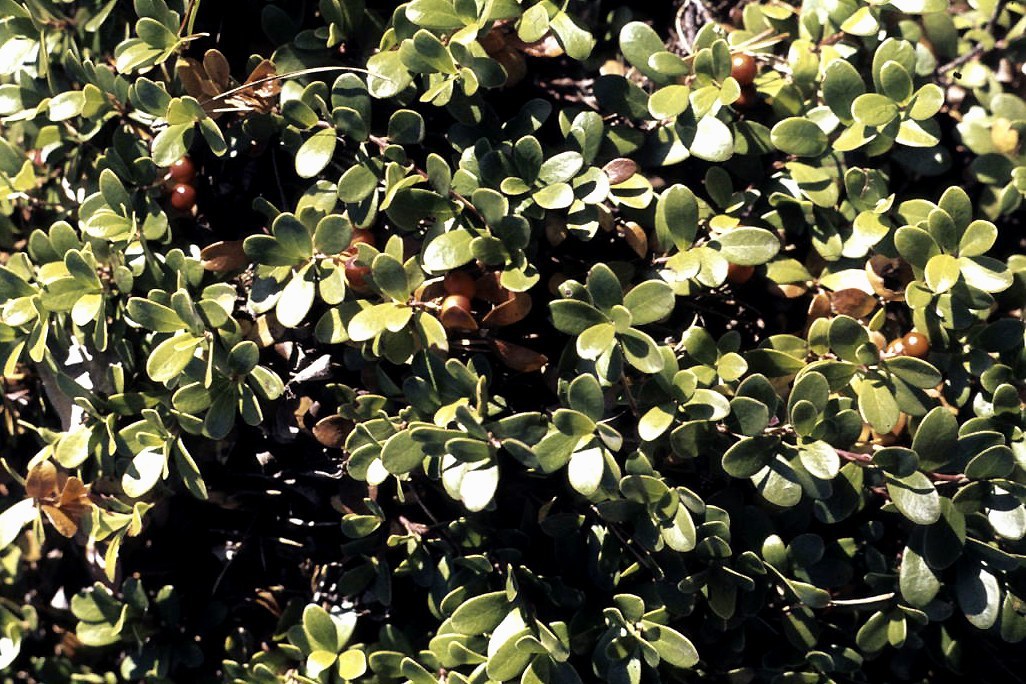
Bearberry (Arctostaphylos uva-ursi), also known as kinnikinnick, is a low, spreading evergreen groundcover shrub with small glossy leaves, dainty pink-white bell flowers, and bright red berries. Native to cool, lean, sandy habitats, it excels as a durable, drought-tolerant carpet for slopes, banks, and difficult sites once it is properly established.
Light
Bearberry grows in full sun to part shade. Full sun produces the densest, most compact mat and the best flowering and fruiting, while it also tolerates dappled or partial shade. In hot climates a little afternoon shade is welcome, but avoid deep shade, which thins the growth.
Water
Water needs are low once the plant is established, consistent with its strong drought tolerance. Newly planted bearberry needs regular, even moisture through its first year or two while its roots knit into the soil. After that it is remarkably drought-hardy and resents wet feet, so water only during prolonged dry spells. Sharp drainage matters far more than frequent irrigation.
Soil & Potting
This plant demands well-drained, lean, acidic soil and is naturally adapted to poor, sandy, rocky, or gravelly ground. Rich or heavy clay soils that stay wet are its enemy and cause root problems. Aim for an acidic pH; amend heavy soil generously with sand, grit, or organic acidic matter to improve drainage. It is an excellent choice for infertile, erosion-prone sites where little else thrives. In containers, use an acidic, free-draining mix.
Humidity & Temperature
Bearberry is very cold-hardy, thriving in cool temperate and even subarctic climates (roughly USDA zones 2 through 6) and evergreen through winter. It prefers cooler conditions and can struggle with prolonged hot, humid summers. Ambient humidity is not a special concern as long as roots stay well-drained and airflow is good.
Feeding
Bearberry needs virtually no feeding and actually prefers lean soil; over-fertilizing harms it. Skip fertilizer or, at most, apply a very light dose of an acidic, ericaceous formulation in spring if growth is weak. A mulch of pine needles or acidic organic matter helps maintain soil acidity and moisture without over-enriching.
Propagation
Bearberry is propagated most reliably from semi-hardwood cuttings taken in summer to early fall, treated with rooting hormone and kept in a moist, gritty medium, though rooting can be slow and uneven. Established plants also spread by trailing stems that root where they touch the soil (layering), and these rooted sections can be separated. Seed propagation is difficult, requiring scarification and cold stratification, and is generally left to specialists.
Repotting / Pruning
Bearberry needs little pruning; simply trim wayward or damaged stems in spring to shape the mat and encourage denser branching. It is slow to establish but then spreads steadily to form a weed-suppressing carpet. Because it resents root disturbance, transplant or repot carefully and only when necessary, ideally moving young, container-grown plants that have not yet spread widely.
Common Problems & Pests
Bearberry is generally trouble-free when its cultural needs are met. The overwhelming cause of failure is poor drainage or overwatering, which leads to root rot; siting and soil are everything. In humid conditions leaf spot, rust, or fungal galls can appear, so provide airflow and avoid overhead watering. It can be slow and finicky to establish, so start with young plants, keep them watered the first year, and be patient while the mat fills in.
Seasonal Care Tips
Plant in spring or early fall into well-prepared, sharply drained acidic soil, and keep young plants watered through the first growing season. Enjoy the pink-white flowers in spring followed by red berries and glossy evergreen foliage that often bronzes attractively in winter cold. Mulch with pine needles to conserve moisture and maintain acidity, and do any light shaping pruning in spring.
Frequently asked questions
Why is my bearberry struggling or dying back?
The most common cause is poor drainage or overwatering, which rots the roots. Bearberry needs lean, sharply drained, acidic soil and resents wet feet. Improve drainage, cut back on watering once established, and avoid heavy, soggy ground.
How do I use bearberry in the garden?
Bearberry makes an outstanding low, evergreen groundcover for slopes, banks, sandy sites, and erosion-prone areas. It forms a dense, weed-suppressing carpet and thrives in poor, well-drained soil where many other plants fail.
Does bearberry need acidic soil?
Yes. Bearberry is adapted to acidic, lean, well-drained soils. In neutral or alkaline ground it grows poorly, so amend with acidic organic matter and grit and mulch with pine needles to help maintain the low pH it prefers.
Why is my bearberry slow to spread?
Bearberry is naturally slow to establish, especially in its first year or two. Be patient, keep young plants watered while rooting in, ensure the soil is lean and well-drained, and it will gradually knit into a dense evergreen mat.