How to Care for Beardtongue
Beardtongue is a tough, upright perennial with tubular blooms that thrives in sun and lean, well-drained soil.
Read the full Beardtongue encyclopedia entry →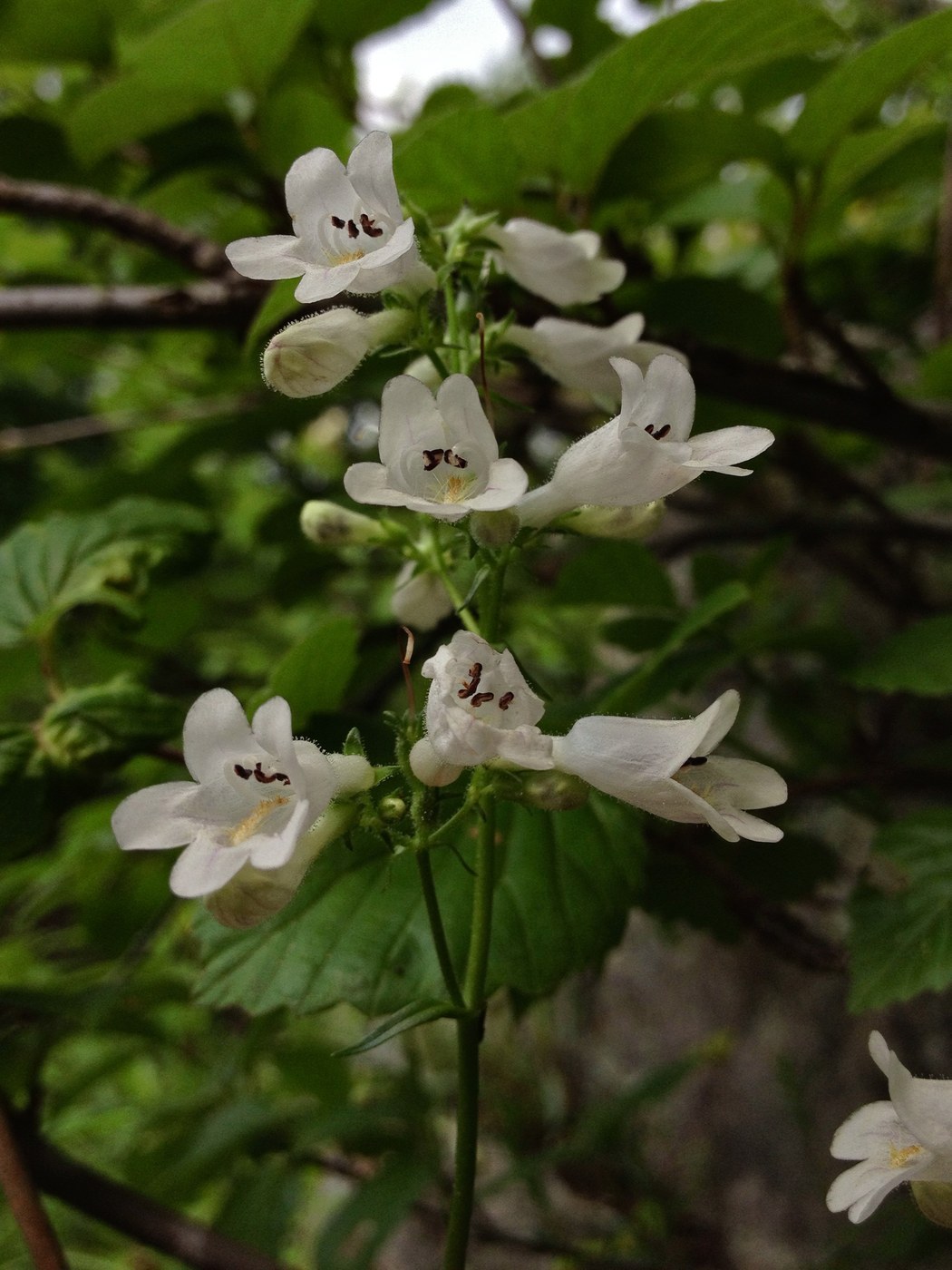
Beardtongue (Penstemon digitalis) is a hardy, clump-forming North American perennial prized for its tall spikes of tubular white-to-pale-pink flowers and its wine-red foliage forms. It is an easygoing, drought-tolerant plant of moderate difficulty that flourishes in sun and lean soils.
Light
Beardtongue performs best in full sun to part shade. Full sun produces the sturdiest, most upright flower stems and the best bloom. In hot climates a little afternoon shade is tolerated, but too much shade causes floppy, weak stems and reduced flowering.
Water
Water weekly while plants are getting established. Once settled in, beardtongue is notably drought-tolerant and resents soggy conditions far more than dryness. Let the soil dry between waterings and avoid overwatering, which is the most common cause of decline in this species.
Soil & Potting
Sharp drainage is the single most important requirement. Beardtongue thrives in lean, gritty, well-drained soil and tolerates poor, rocky ground. Heavy clay that holds winter moisture is the main threat; amend such soils with grit or plant on a slope or raised bed. It is not fussy about fertility and actually blooms well in low-nutrient conditions.
Humidity & Temperature
This is a cold-hardy perennial (roughly USDA zones 3-8) that shrugs off frost and does not need extra humidity. Good airflow around the foliage helps prevent fungal issues in humid summers. It handles heat well once established.
Feeding
Beardtongue needs very little feeding. Overly rich soil or heavy fertilizer promotes lush, floppy growth at the expense of flowers. A light topdressing of compost in spring is more than enough. Skip high-nitrogen feeds entirely.
Propagation
Propagate by seed, division, or stem cuttings. Seed benefits from a period of cold, moist stratification before spring sowing. Divide established clumps in spring or early fall. Softwood cuttings taken in early summer root readily in a gritty medium. Established plants often self-sow gently in the garden.
Repotting / Pruning
Divide crowded clumps every 3-4 years to keep them vigorous. Deadhead spent flower spikes to tidy the plant and sometimes encourage a lighter rebloom, or leave the seed heads standing for winter interest and self-seeding. Cut back old foliage in late winter or early spring before new growth emerges.
Common Problems & Pests
Beardtongue is largely trouble-free. The main risks are root rot and crown rot from wet, poorly drained soil, and occasional powdery mildew or leaf spot in humid, crowded plantings. Improve drainage and spacing to prevent these. Pests are rarely a serious problem.
Seasonal Care Tips
In spring, cut back last year's growth and topdress lightly with compost. Early summer brings the main flush of bloom; deadhead if you want a tidier look. Through summer, water only during extended drought. In fall you can divide clumps or leave seed heads for winter structure. The plant is fully winter-hardy and needs no special protection in its range.
Frequently asked questions
Does beardtongue need a lot of water?
No. Water weekly until it is established, then only during extended dry spells. It is drought-tolerant and far more likely to suffer from overwatering and soggy soil than from dryness.
Why are my beardtongue stems flopping over?
Floppy stems usually mean too much shade or overly rich soil. Give it full sun and lean, well-drained ground, and avoid high-nitrogen fertilizer, which promotes weak, leafy growth.
How do I keep beardtongue blooming well?
Plant it in full sun and poor-to-average, well-drained soil, and deadhead spent spikes. Avoid heavy feeding. Dividing crowded clumps every few years also keeps flowering strong.
Is beardtongue hard to grow?
It is fairly easy once you meet its one key demand: excellent drainage. In sun with gritty, well-drained soil it is low-maintenance, cold-hardy, and largely pest-free.
Beardtongue identified by the community
Recent Beardtongue specimens identified with Plant Identifier.