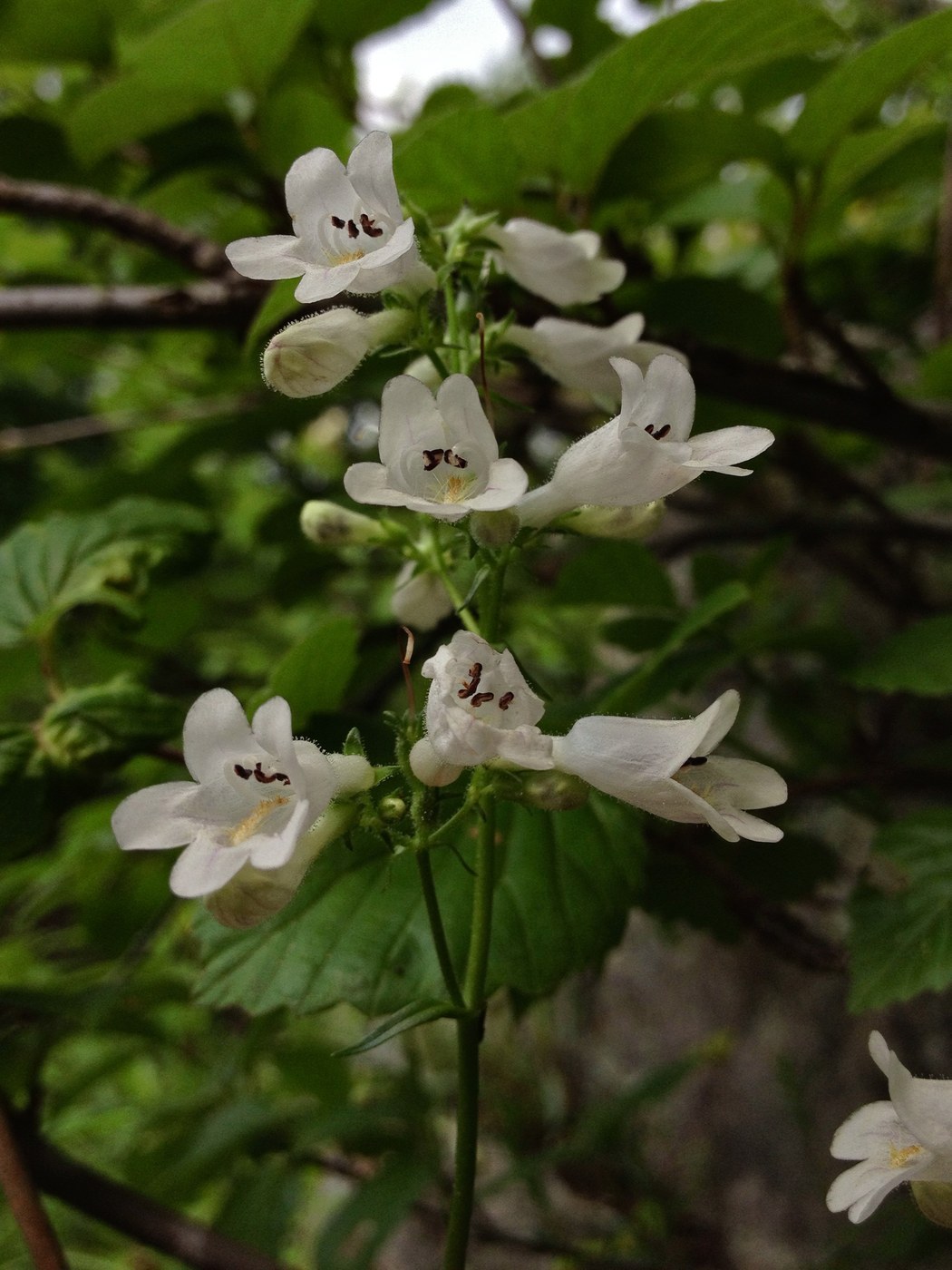
Beardtongue
Penstemon digitalis
A North American native perennial with upright spikes of tubular, two-lipped flowers in white, pink, purple, or red. Loved by hummingbirds and bees, and tough in lean, well-drained soil.
- Light
- Full sun to part shade
- Water
- Weekly; drought-tolerant once established
- Difficulty
- Moderate
Got a plant like this?
Identify any plant from a photo, free.
Overview
Beardtongue, or penstemon, is one of the largest genera of flowering plants native to North America, with hundreds of species ranging from compact alpines to tall border perennials. The common name refers to a small, often fuzzy, sterile stamen (the 'beard') tucked inside each tubular flower.
The widely grown Penstemon digitalis bears airy spikes of white-to-pale-pink bells above foliage that, in cultivars like 'Husker Red,' takes on a striking burgundy hue.
Adapted to lean, fast-draining soils, penstemons are excellent for sunny borders, prairies, and rock gardens, and their tubular blooms are magnets for hummingbirds and native bees.
How to identify it
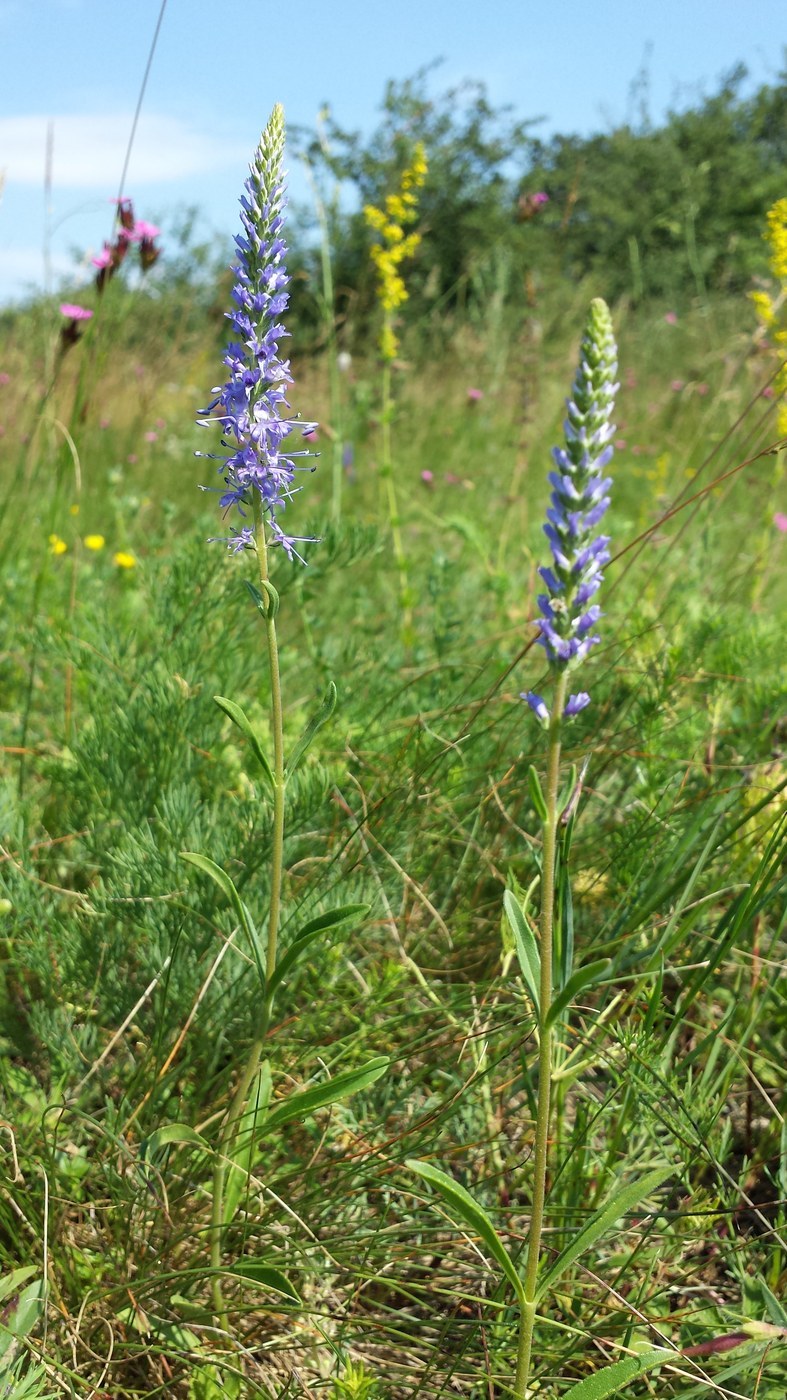
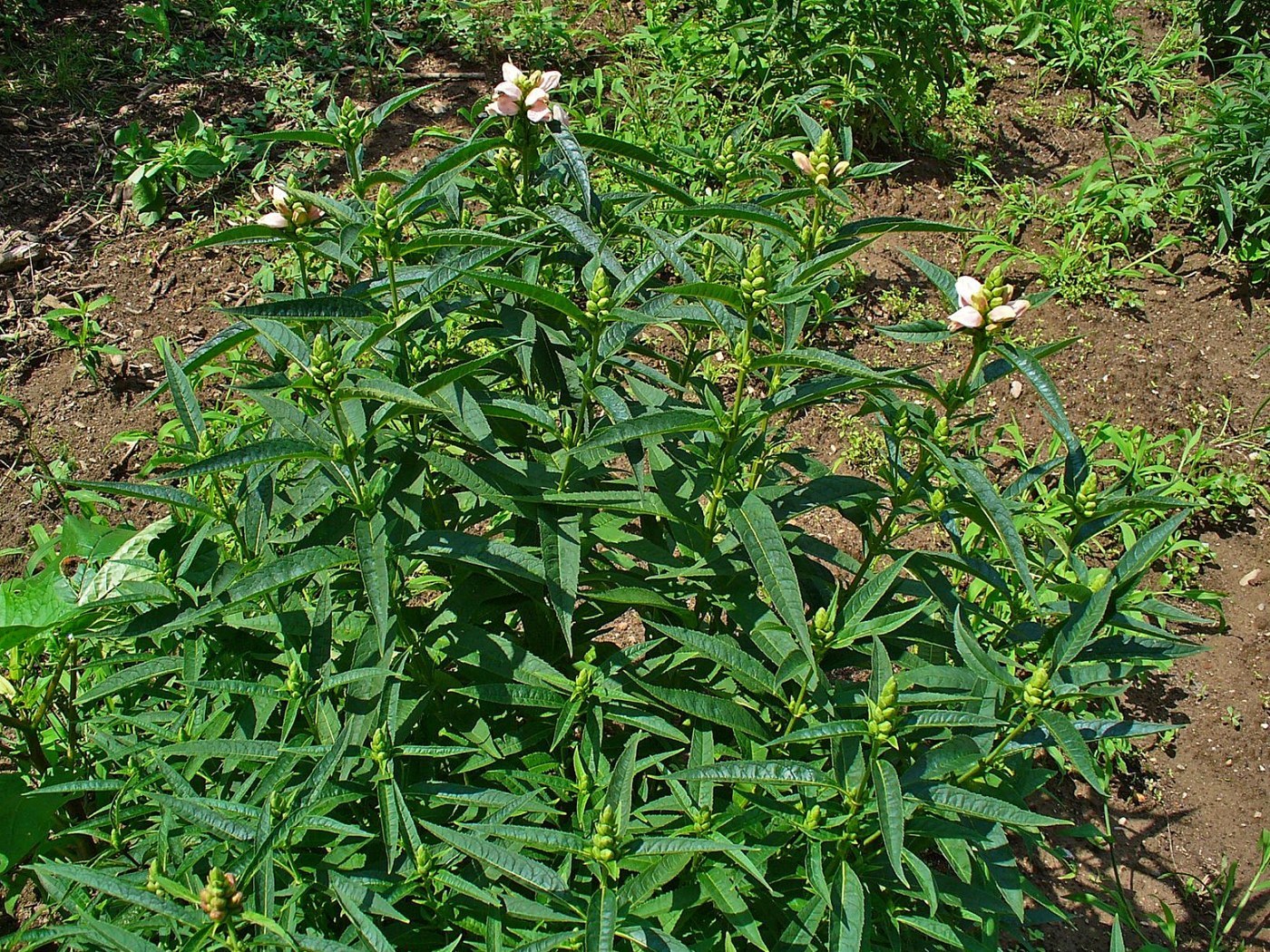
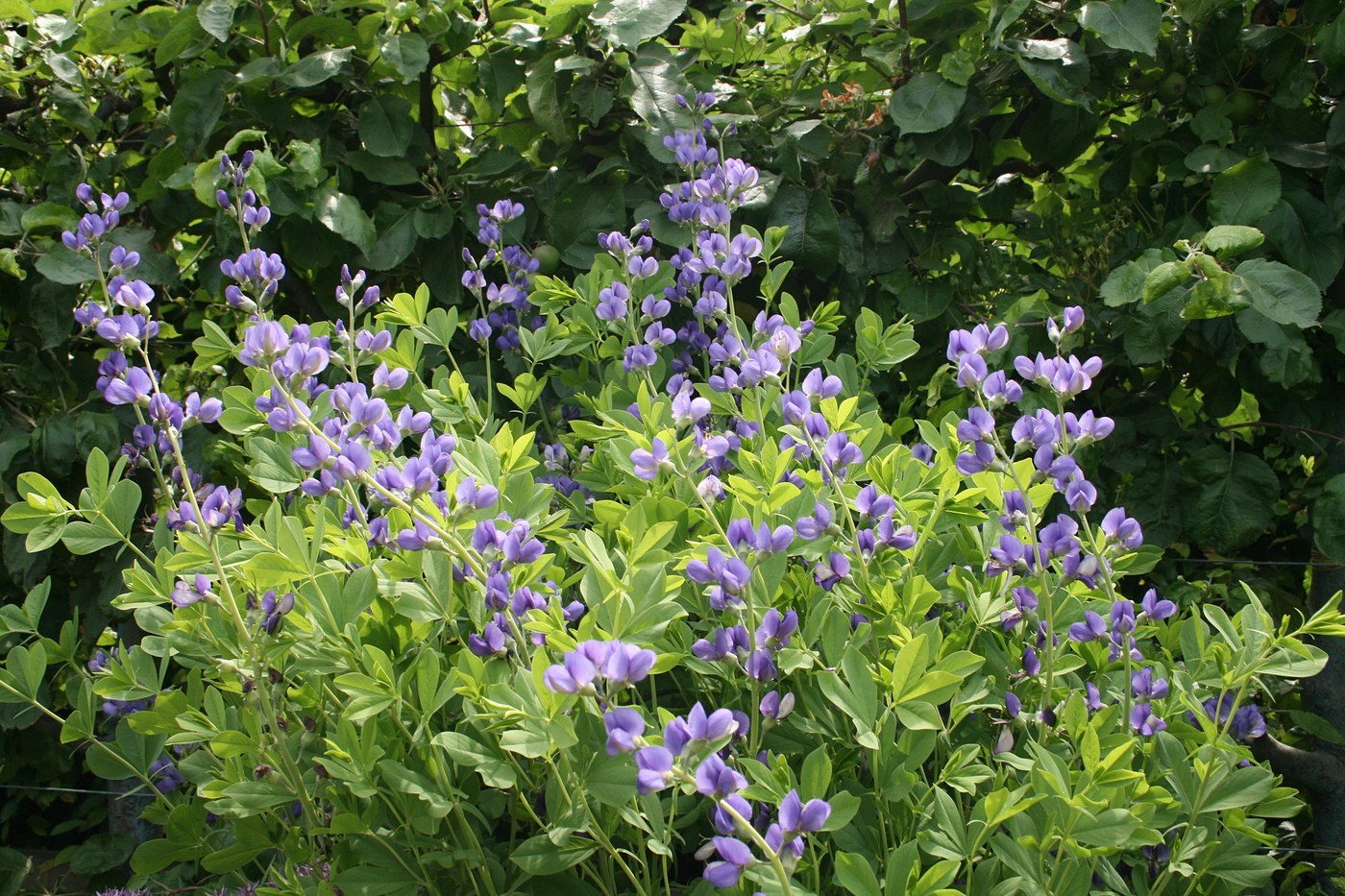
- Flowers: Tubular, two-lipped, 1-2 in. blooms in spikes; white, pink, purple, blue, or red, with a fuzzy sterile stamen visible inside
- Leaves: Opposite, lance-shaped, smooth; in some cultivars flushed deep red-burgundy
- Habit: Upright clump, typically 1-4 ft tall depending on species
- Bloom time: Late spring to midsummer
- Seed heads: Dry capsules that add structure and self-sow
Care & growing
Light: Full sun to light shade; full sun gives the sturdiest, most floriferous plants.
Water: Water to establish, then drought-tolerant; most species demand sharp drainage and resent wet feet, especially in winter.
Soil: Lean, gritty, well-drained soil; many western species rot in heavy or rich soil.
Temperature: Hardiness varies by species, broadly USDA zones 3-9.
Feeding: Minimal; rich soil reduces longevity and causes flopping.
Propagation: By seed, division, or softwood cuttings. Deadhead to prolong bloom, but leave some seed heads for self-sowing and winter interest. Often short-lived, so propagate to maintain.
Habitat & origin
Penstemons are overwhelmingly native to North America, with species spanning prairies, mountains, deserts, and woodlands from Canada to Mexico. Penstemon digitalis grows in moist meadows and open woods of the eastern and central US.
The western and alpine species favor dry, rocky, fast-draining sites. Penstemons are grown in native, rock, prairie, and pollinator gardens across temperate regions.
Frequently asked questions
Why does penstemon often die over winter?
Most penstemons die from wet, poorly drained soil in winter rather than cold. Plant them in lean, gritty, sharply drained soil to greatly improve survival.
Why is it called beardtongue?
Each flower contains a fifth, sterile stamen that is often covered in fine hairs, resembling a tiny bearded tongue inside the tubular bloom.
Are penstemons good for hummingbirds?
Yes, their tubular flowers, especially red and pink species, are excellent hummingbird plants and also draw native bees.
Are penstemons perennial?
They are perennials but can be short-lived, particularly in rich or wet soil. Letting them self-sow or taking cuttings keeps them in the garden.
Beardtongue guides
In-depth guides for identifying, growing, and caring for Beardtongue.
How to Care for Beardtongue
Beardtongue is a tough, upright perennial with tubular blooms that thrives in sun and lean, well-drained soil.
Beardtongue Identification Guide
Identify beardtongue (Penstemon) by its tubular two-lipped flowers with a fuzzy infertile fifth stamen and opposite, smooth lance-shaped leaves.