
Beardtongue Identification Guide
Identify beardtongue (Penstemon) by its tubular two-lipped flowers with a fuzzy infertile fifth stamen and opposite, smooth lance-shaped leaves.
Read the full Beardtongue encyclopedia entry →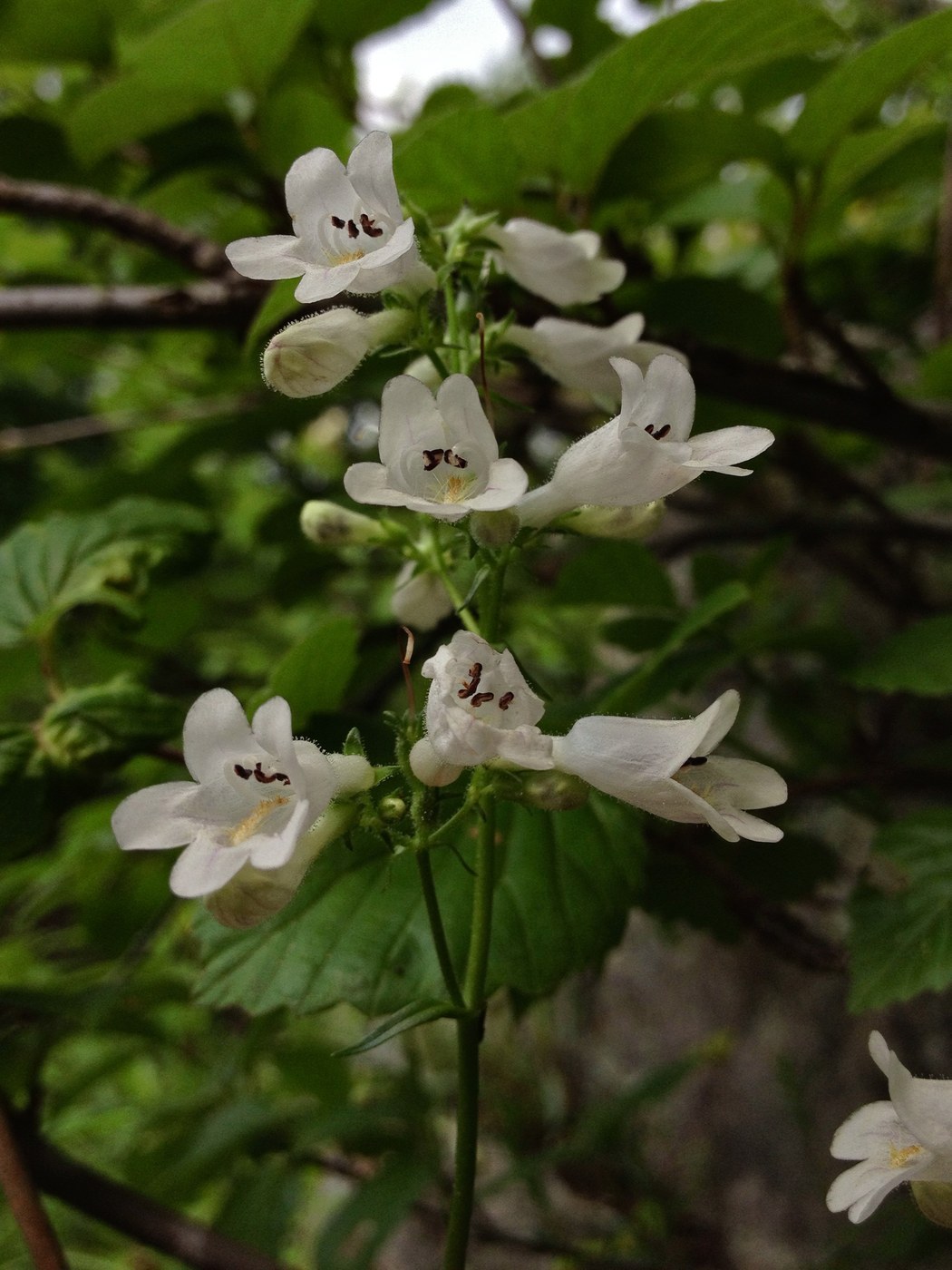
Key Identifying Features
Beardtongue (genus Penstemon) is named for the fuzzy, sterile fifth stamen (the "bearded tongue") that sits in the throat of each tubular, two-lipped flower. Plants bear upright spikes of these flowers above neat, opposite foliage.
- Flowers: tubular, two-lipped (2 upper, 3 lower lobes), with a hairy staminode inside
- Leaves: opposite, smooth, lance-shaped
- Habit: upright spikes, 1-4 ft
- Colors: white, pink, lavender, purple, red, blue
Leaves & Stems
Leaves are opposite (paired), simple, lance-shaped to oval, usually smooth-edged or finely toothed, and often glossy or slightly waxy. Lower leaves may be stalked; upper leaves are stalkless and may clasp the stem. Foliage of some species (like Penstemon digitalis 'Husker Red') is purple-tinged. Stems are upright and often unbranched below the flower cluster.
Flowers & Fruit
Flowers are borne in elongated, often one-sided or whorled spikes at the stem tops. Each is a tube flaring into two lips — an upper lip of two lobes and a lower lip of three. Inside are four fertile stamens plus one conspicuous sterile stamen (staminode) that is tufted with hairs, giving the "beardtongue." Looking into the flower throat for this fuzzy tongue is the genus's definitive ID test. Fruits are dry, two-chambered capsules that split to release many tiny seeds and persist into winter.
How to Tell It Apart from Look-Alikes
- Foxglove (Digitalis): larger, drooping, thimble-like tubular flowers with spotted throats and alternate, soft, toothed leaves — no bearded staminode.
- Snapdragon (Antirrhinum): closed, pouch-like "jaw" flowers, not open two-lipped tubes with a fuzzy tongue.
- Salvia: two-lipped flowers too, but square stems and aromatic leaves (mint family); penstemon stems are round and unscented.
- Turtlehead (Chelone): related, but flowers are inflated and closed like a turtle's head.
The definitive ID is a tubular two-lipped flower with a fuzzy infertile fifth stamen inside, on a plant with smooth opposite leaves.
Where You'll Find It
Penstemons are largely North American natives of prairies, open woods, rocky slopes, and dry meadows, with many in the arid West. They are also popular in sunny borders, native, and pollinator gardens and are favorites of bees and hummingbirds. Most prefer full sun and excellent drainage.
Quick ID Checklist
- Tubular, two-lipped flowers (2 upper / 3 lower lobes)
- Fuzzy sterile fifth stamen ("beard") in the throat
- Opposite, smooth, lance-shaped leaves
- Round (not square), unscented stems
- Upright flower spikes in many colors
- Dry, sunny native or garden setting; persistent seed capsules
Frequently asked questions
What is the 'beard' in beardtongue?
It's a sterile fifth stamen (staminode) tufted with hairs that sits in the throat of each flower. Peering into the tubular bloom to find this fuzzy 'tongue' is the definitive way to identify Penstemon.
How do I tell beardtongue from foxglove?
Foxglove has large, drooping, spotted thimble flowers and alternate, soft toothed leaves, while beardtongue has smaller two-lipped tubular flowers with a bearded staminode and smooth, opposite leaves.
Is beardtongue in the mint family?
No. Despite having two-lipped flowers like salvias, penstemons have round, unscented stems and belong to the plantain family (Plantaginaceae). Square aromatic stems would indicate a mint instead.
Can I identify beardtongue when it's not flowering?
It's harder, but look for upright stems with paired (opposite), smooth, lance-shaped leaves, sometimes purple-tinged, plus persistent two-chambered seed capsules from the previous season.