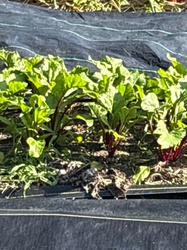
How to Care for Beet
Grow beets (Beta vulgaris) with full sun, steady moisture, and loose soil for strong roots and lush leafy tops.
Read the full Beet encyclopedia entry →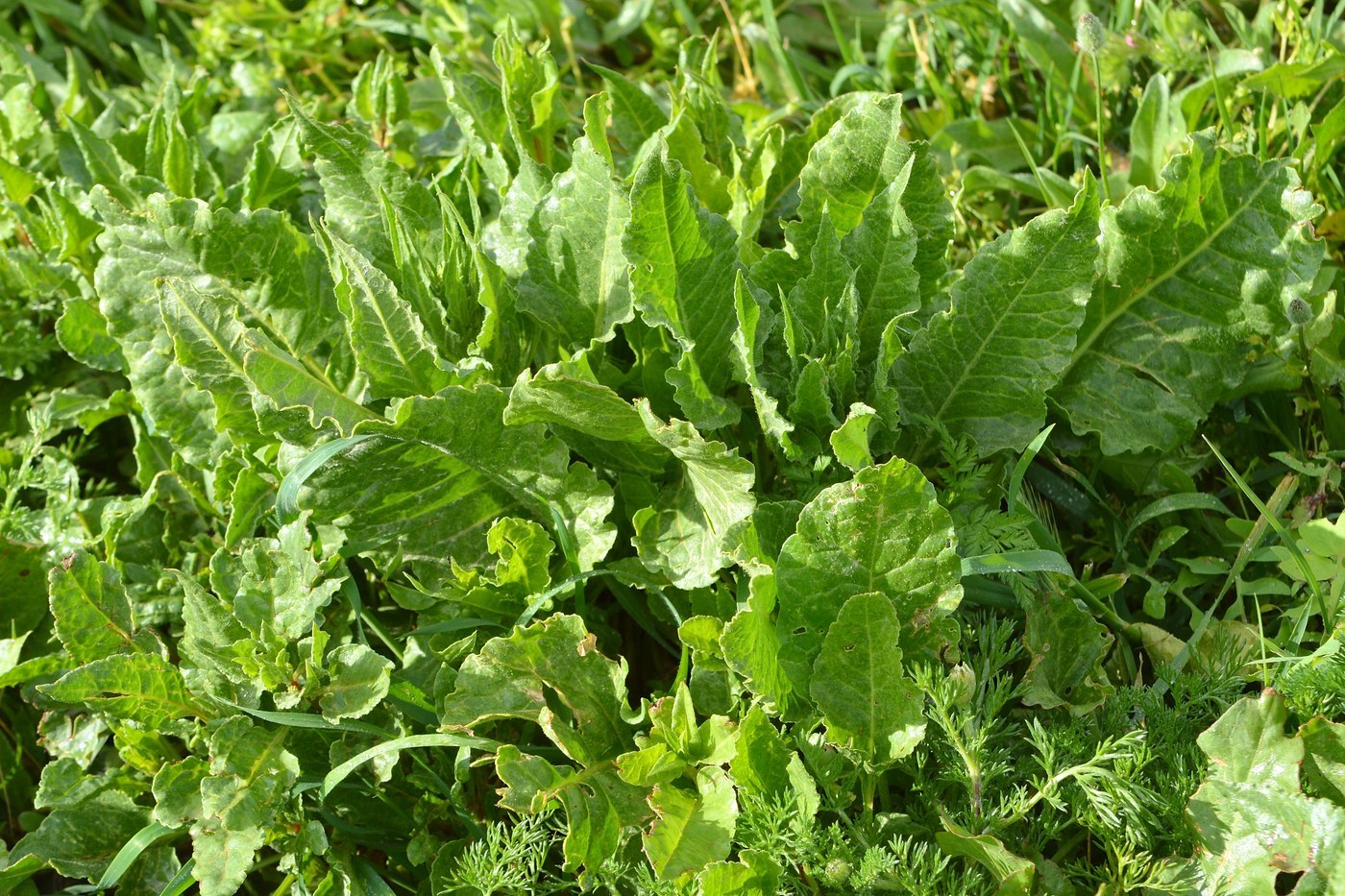
Beet (Beta vulgaris) is a fast-growing cool-season biennial usually grown as an annual for its swollen root and colorful, glossy foliage. It is an easy, forgiving plant that thrives in loose ground and consistent moisture.
Light
Give beets full sun for best root development, though they tolerate part shade in warm regions. Aim for at least 6 hours of direct light per day. In too much shade the tops grow lush and leafy while the roots stay small and slow to swell.
Water
Keep the soil evenly moist at all times. Beets dislike drying out and then flooding; erratic watering causes woody roots, cracking, and zoning in the flesh. Aim for about 1 inch of water per week, more in heat, and mulch to hold moisture steady.
Soil & Potting
Beets need loose, deep, well-drained soil free of stones and clods, which otherwise deform the roots. A sandy loam enriched with compost is ideal. Loosen soil to at least 10 inches deep. Keep the pH near neutral, roughly 6.0 to 7.0. In containers use a deep pot (8+ inches) with a light, fast-draining mix.
Humidity & Temperature
Beets are cool-season plants that grow best between 50 and 70 F. They tolerate light frost and even sweeten in cool weather. Sustained heat above 80 F stresses plants, slows root formation, and can trigger bolting. Ambient humidity is not a concern outdoors.
Feeding
Beets are moderate feeders. Work compost or a balanced fertilizer into the bed before sowing. Avoid excess nitrogen, which pushes leafy top growth at the expense of the root. A single side-dressing of balanced feed midway through growth is usually enough. Boron deficiency can cause internal black spots, so a soil rich in organic matter helps.
Propagation
Beets are grown from seed. Each corky "seed" is actually a cluster that produces several seedlings, so thin ruthlessly. Sow directly 1/2 inch deep and 1 inch apart, then thin to 3 to 4 inches once seedlings reach a couple inches tall. Direct sowing is preferred because beets resent root disturbance from transplanting.
Repotting / Pruning
Beets are not repotted; harvest ends their cycle. The main hands-on task is thinning crowded seedlings, since roots cannot swell if crowded. Snipping thinnings at soil level avoids disturbing neighbors. Remove any yellowing outer leaves to keep plants tidy and airy.
Common Problems & Pests
Leaf miners tunnel pale trails through the foliage; remove affected leaves and use floating row cover. Flea beetles pit young leaves. Cercospora leaf spot shows as tan spots with dark margins in humid weather, so improve spacing and airflow. Poor, misshapen roots usually trace to compacted soil, crowding, or uneven watering rather than disease.
Seasonal Care Tips
Sow in early spring as soon as soil is workable and again in late summer for a fall crop, avoiding the heat of midsummer. Succession-sow every 2 to 3 weeks for a steady supply of tender roots. In mild-winter areas beets can grow through the cool season; mulch to protect from hard freezes.
Frequently asked questions
Why are my beet roots small and stunted?
Usually crowding or too much shade. Thin seedlings to 3 to 4 inches apart and make sure plants get at least 6 hours of sun so energy goes into the root, not just the leaves.
What causes cracked or woody beet roots?
Inconsistent watering. Long dry spells followed by heavy watering make roots split and turn fibrous. Keep the soil evenly moist and mulch to buffer swings.
Can I grow beets in containers?
Yes. Use a pot at least 8 inches deep with loose, fast-draining mix, keep it evenly moist, and thin the seedlings so each root has room to swell.
Why did my beets bolt and send up a flower stalk?
Bolting is triggered by heat and long days, sometimes after a cold snap on young plants. Grow beets in the cool parts of the season and harvest before summer heat sets in.
Beet identified by the community
Recent Beet specimens identified with Plant Identifier.