Beet
Beta vulgaris
Beet is a cool-season root vegetable grown for its rounded, swollen root and its leafy greens. The familiar deep-red root is the most common, but golden, white, and striped types also exist.
- Light
- Full sun to part shade
- Water
- Keep evenly moist
- Difficulty
- Easy
Got a plant like this?
Identify any plant from a photo, free.
Overview
Beet (Beta vulgaris) is a root vegetable in the Amaranthaceae family, the same species as Swiss chard, sugar beet, and mangelwurzel. It is grown for its swollen root and its leaves.
It is a cool-season biennial usually harvested in its first year. Each "seed" is actually a cluster, so several seedlings often emerge from one and need thinning.
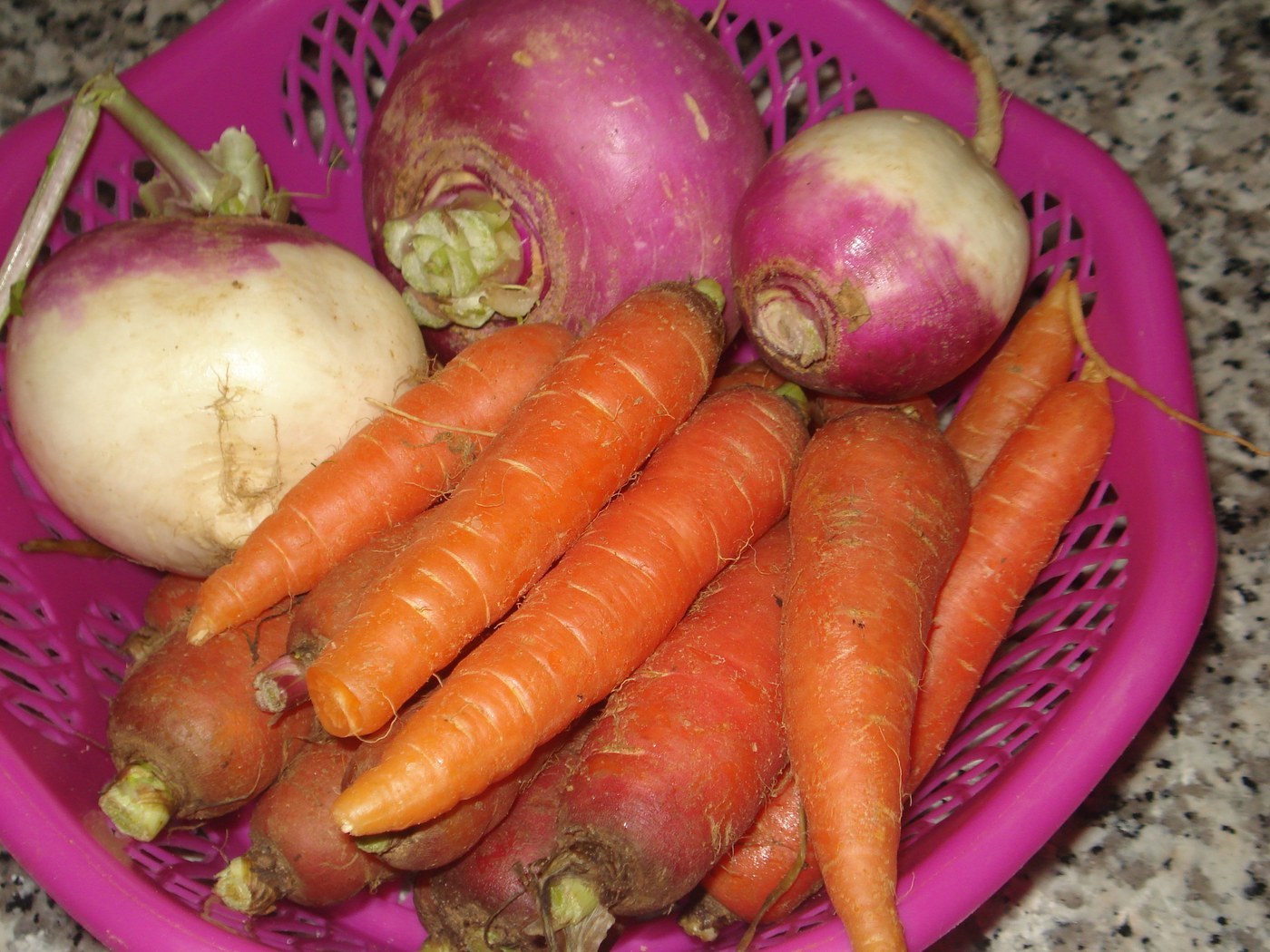
Roots are classically deep red-purple from the pigment betalain, but golden-yellow, white, and concentric red-and-white (Chioggia) varieties are also grown.
How to identify it
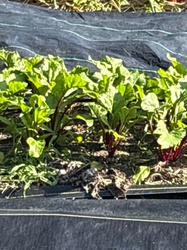
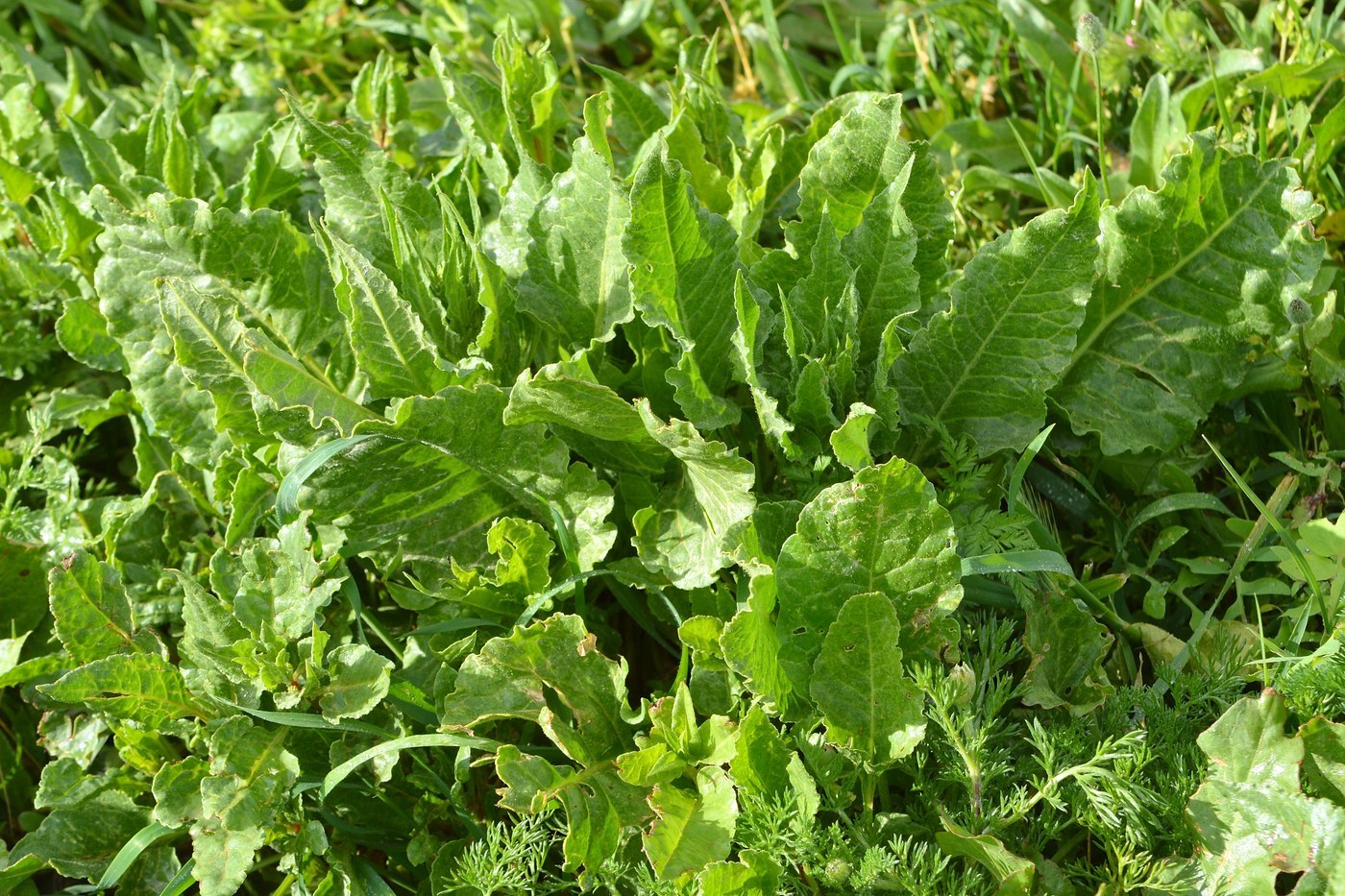
Beet is a leafy plant with a rounded, swollen, brightly colored root.
- Leaves: Glossy, oval to heart-shaped, often with red or pink veins and stalks
- Root: Round to tapered, deep red-purple, gold, white, or ringed flesh
- Habit: Low rosette of upright leaves, 8 to 18 inches tall
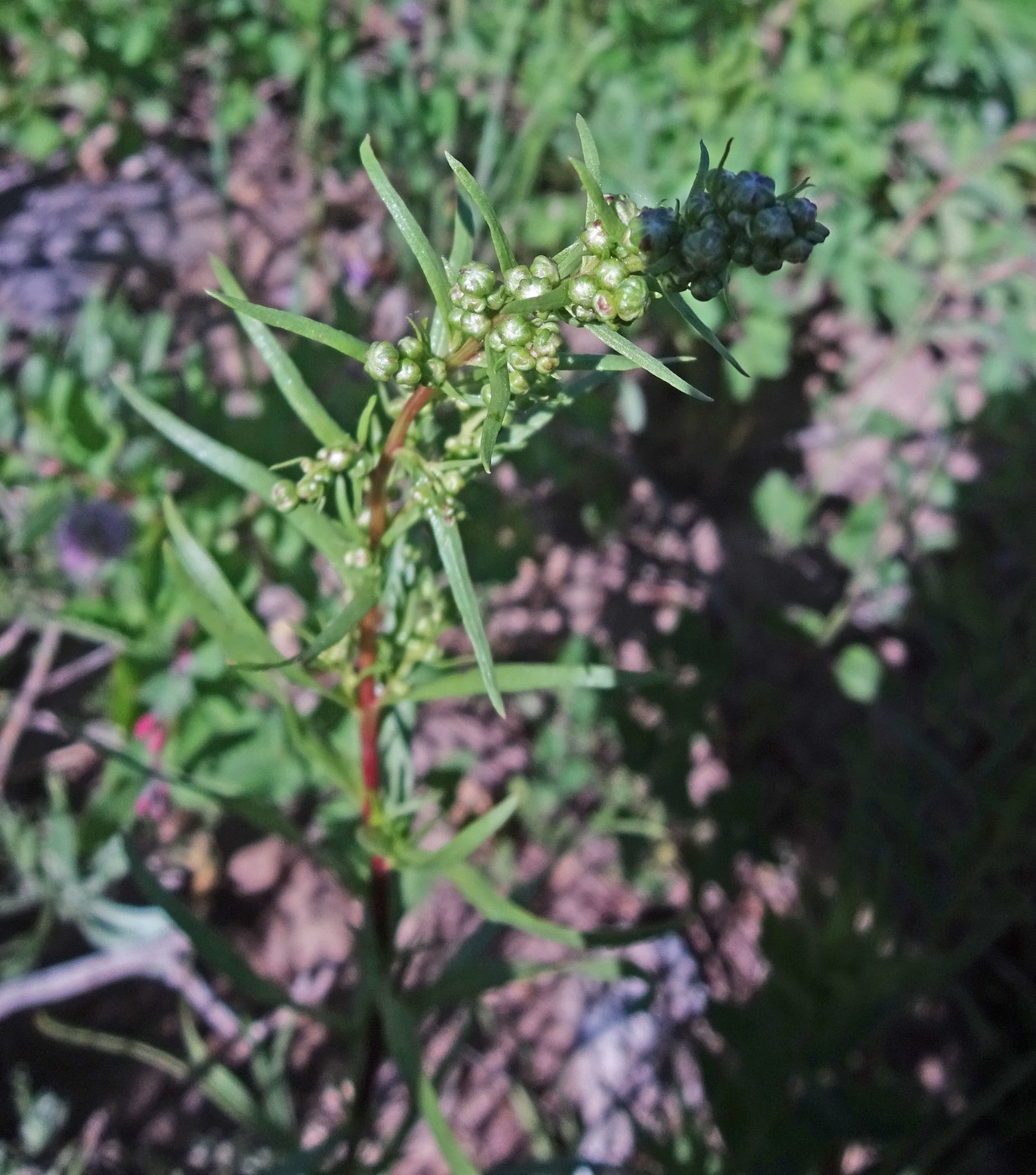
- Flowers: Small green flowers on a tall spike in the second year
- Seed: A corky cluster (multigerm) producing multiple seedlings
Care & growing
Beets are easy and dual-purpose, grown for both roots and leaves.
- Light: Full sun, with tolerance for part shade (especially for leafy growth)
- Water: Keep soil evenly moist; uneven watering causes woody or cracked roots
- Soil: Loose, deep, well-draining soil free of stones; pH 6.0 to 7.0
- Temperature: Cool-season; thrives 50 to 70 F and tolerates light frost
- Feeding: Moderate; balanced feeding with adequate potassium and boron for healthy roots
- Propagation: Direct sow the seed clusters and thin seedlings to one per spot. Sow in succession for a continuous supply.
Habitat & origin
Beet descends from the wild sea beet (Beta vulgaris subsp. maritima) native to the coasts of Europe, North Africa, and Asia. The swollen-rooted garden beet was developed in Europe, becoming widespread by the Renaissance.
It is now cultivated throughout temperate regions worldwide, while the related sugar beet is a major commercial crop.
Frequently asked questions
Why did several beet seedlings come up in one spot?
Most beet seeds are actually clusters containing several seeds. Thin the crowded seedlings to one per spot so each root has room to swell.
How do I identify a beet plant?
Look for a low rosette of glossy, oval to heart-shaped leaves, often with red or pink veins and stalks, growing from a rounded, swollen, brightly colored root.
Why are my beet roots small or woody?
Crowding, dry spells, hot weather, or harvesting too late cause small or tough roots. Thin plants, water steadily, and lift the roots while they are still young.
Beet guides
In-depth guides for identifying, growing, and caring for Beet.
Beet identified by the community
Real specimens identified with Plant Identifier.