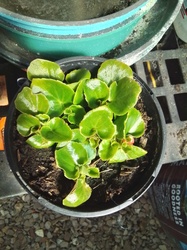
How to Care for Begonia
Grow lush begonias with bright indirect light, careful watering at the roots, high humidity and a light, well-drained mix.
Read the full Begonia encyclopedia entry →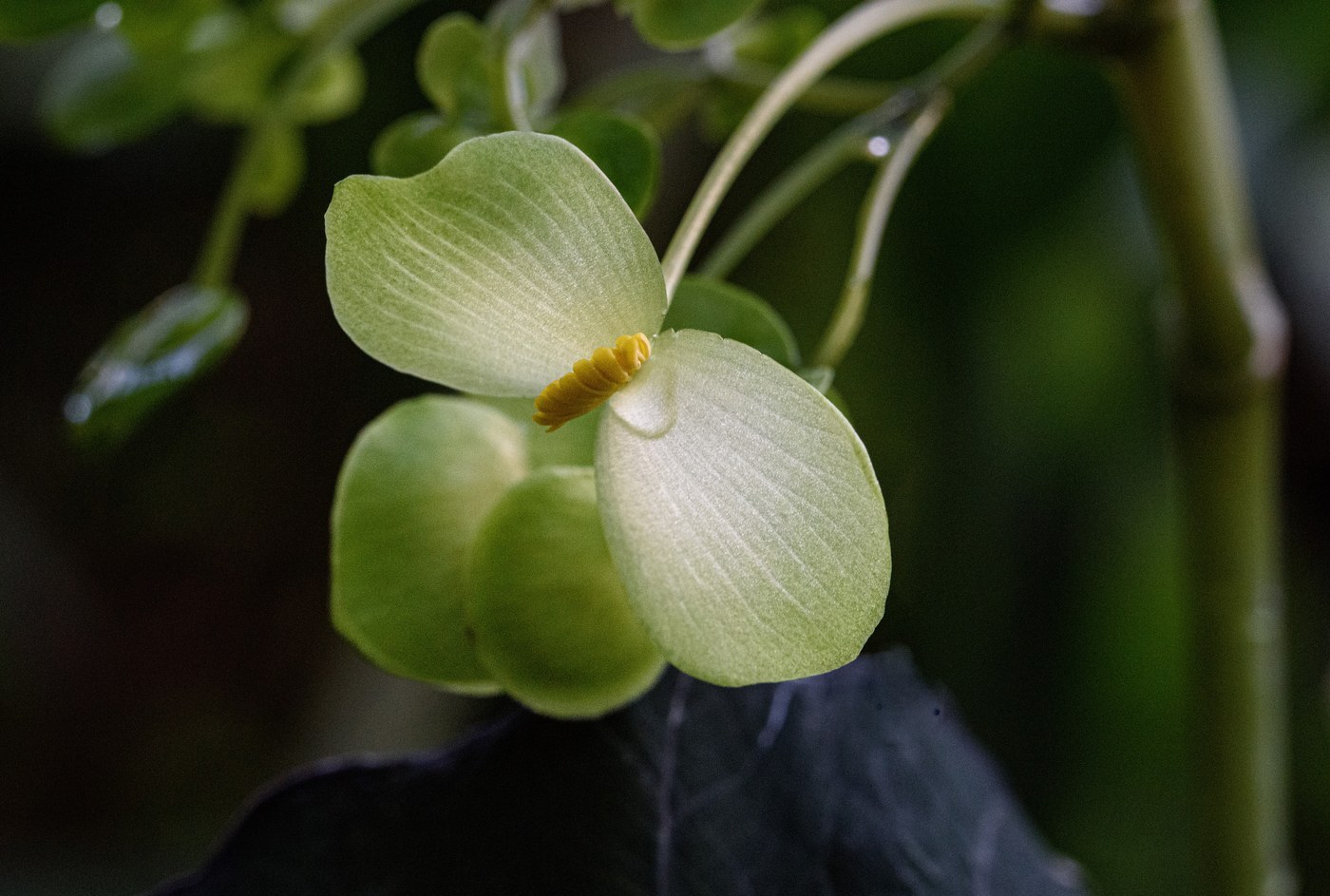
Begonias are a huge and varied group of tender plants grown for colorful flowers, striking patterned foliage, or both. Whether fibrous, rhizomatous, tuberous or the dramatic rex types, they share a love of bright indirect light, warmth and careful watering, making them a moderately easy group once you learn their preferences.
Light
Give begonias bright, indirect light. An east or north-facing window or a spot shaded from harsh midday sun is ideal. Direct sun, especially through glass, scorches the leaves and bleaches foliage color, while too little light causes leggy stems and sparse blooms. Foliage types such as rex begonias keep their best coloring in bright but filtered light; flowering types bloom more freely with generous indirect light.
Water
Water when the top inch of the mix dries, then water thoroughly and let the excess drain. Begonias are prone to rot, so avoid keeping the soil soggy and never let the pot stand in water. Crucially, water at the soil level and avoid wetting the leaves, since water sitting on the foliage encourages mildew and spotting. Reduce watering in winter when growth slows, and let tuberous types dry off as they go dormant.
Soil & Potting
Use a light, well-drained, peaty or coir-based potting mix with added perlite for aeration. Begonias have relatively fine, shallow roots and dislike heavy, waterlogged soil, so drainage is essential. A slightly wider, shallower pot suits rhizomatous and rex types whose rhizomes creep across the surface. Always use containers with drainage holes to prevent water building up around the roots.
Humidity & Temperature
Begonias enjoy warmth and higher humidity, ideally around 50% or more, which keeps foliage lush and edges from browning. Raise humidity by grouping plants or using a humidity tray, but avoid misting the leaves directly, as wet foliage invites disease. Keep them warm, roughly 60-75F (15-24C), and protect them from cold drafts and sudden temperature drops, which they tolerate poorly.
Feeding
Feed during the growing season, spring through early autumn, with a balanced liquid fertilizer at half strength every 2-4 weeks. Flowering begonias appreciate a feed slightly higher in phosphorus to support blooms, while foliage types do well on a balanced formula. Stop feeding in winter when growth slows, and avoid overfeeding, which can burn the fine roots and cause leaf-edge scorch.
Propagation
Many begonias propagate very easily. Stem cuttings root readily in water or moist mix, and rhizomatous and rex types can be propagated from leaf cuttings, where a whole leaf or leaf sections placed on damp mix produce new plantlets. Divide rhizomes or clumps when repotting. Tuberous begonias can be multiplied by dividing dormant tubers, ensuring each piece has a growth bud.
Repotting / Pruning
Repot in spring when the plant outgrows its pot, moving up just one size since begonias flower and grow well when slightly snug. Pinch growing tips to encourage bushy, compact growth and remove leggy or faded stems. Deadhead spent flowers to prolong blooming. Trim away any damaged or diseased leaves promptly, and refresh cane-type begonias by cutting back tall bare stems to stimulate new basal shoots.
Common Problems & Pests
The most common issue is powdery mildew, a white coating on leaves favored by damp foliage and poor airflow; prevent it by watering at the roots, spacing plants and improving ventilation. Overwatering causes root and stem rot and yellowing leaves, while dry air browns the leaf edges. Watch for mealybugs, spider mites and fungus gnats, and treat infestations promptly with insecticidal soap and by letting the mix dry between waterings.
Seasonal Care Tips
In spring and summer, begonias grow actively, so water regularly at the roots, feed on schedule and pinch for bushiness. In autumn, reduce watering and feeding as growth slows. Many tuberous begonias go dormant in winter; let the foliage die back, then store the dry tubers in a cool, frost-free place until spring. Keep foliage and flowering types warm, in good light and away from cold drafts through the darker months.
Frequently asked questions
Why does my begonia keep getting powdery mildew?
Powdery mildew thrives on wet foliage and stagnant air. Always water at the soil level rather than over the leaves, space plants for good airflow, and avoid misting. Removing affected leaves and improving ventilation usually stops it spreading.
How much light do begonias need?
Bright, indirect light is ideal. An east or north window, or a spot shaded from harsh midday sun, keeps foliage colorful and flowering strong. Direct sun scorches the leaves, while too little light makes stems leggy.
How often should I water a begonia?
Water when the top inch of mix dries, then water thoroughly and let it drain. Keep water off the leaves, never let the pot sit in water, and cut back in winter. Begonias rot easily in soggy soil.
How do I propagate begonias?
Stem cuttings root easily in water or moist mix, and rex and rhizomatous types can be grown from leaf cuttings placed on damp soil. You can also divide rhizomes when repotting or split dormant tubers, keeping a bud on each piece.
Should I let my tuberous begonia go dormant?
Yes. As autumn arrives, reduce watering and let the foliage die back, then store the dry tuber in a cool, frost-free place over winter. Restart it in fresh mix in spring when new growth buds appear.
Begonia identified by the community
Recent Begonia specimens identified with Plant Identifier.