Begonia
Begonia
An enormous genus grown for both showy flowers and spectacularly patterned foliage. From bedding wax begonias to dramatic rex begonias, there is a begonia for nearly every garden and windowsill.
- Light
- Bright indirect light
- Water
- When top inch dries; avoid wetting leaves
- Difficulty
- Moderate
Got a plant like this?
Identify any plant from a photo, free.
Overview
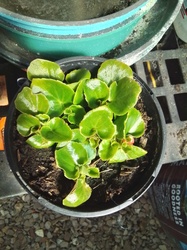
Begonia is one of the largest plant genera, with thousands of species and countless hybrids grown for flowers, foliage, or both. They fall into broad groups: fibrous-rooted (wax begonias), tuberous (large-flowered bedding types), and rhizomatous (including the colorful-leaved rex begonias).
They range from compact bedding annuals to bold houseplants with swirled, metallic, or spotted leaves. Their asymmetrical, often 'winged' leaf shape and waxy flowers make them instantly recognizable to gardeners.
How to identify it
Identify begonias by:
- Leaves: Asymmetrical, often lopsided heart or wing shapes; may be plain green, spotted (angel wing), or richly patterned and metallic (rex)
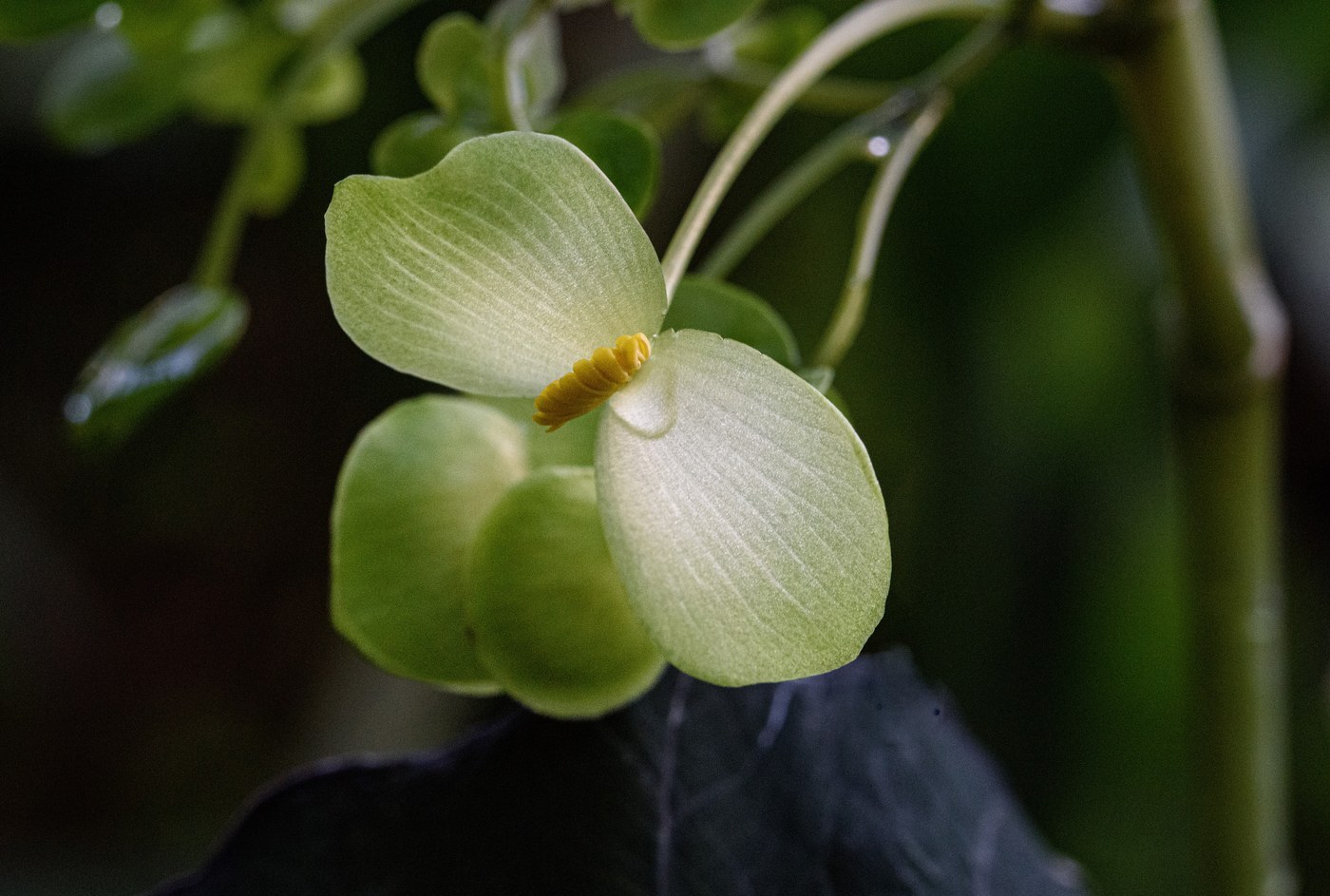
- Flowers: Waxy, in shades of white, pink, red, orange, or yellow; separate male and female flowers on the same plant
- Stems: Fleshy or cane-like depending on type
- Habit: Mounding, upright cane, or trailing
- Underside: Leaf undersides are often red or burgundy
Care & growing
- Light: Bright indirect light; foliage types prefer no harsh direct sun, while flowering types can take more light
- Water: Water when the top inch dries; keep leaves dry to prevent powdery mildew
- Soil: Light, well-draining mix
- Temperature: 60-75F (16-24C); most dislike cold and frost
- Humidity: Many (especially rex) like higher humidity but resent soggy conditions
- Feeding: Balanced fertilizer through the growing season
- Propagation: Stem or leaf cuttings; rhizomatous types from leaf segments
Habitat & origin
Begonias are native to moist tropical and subtropical regions worldwide, including Central and South America, Africa, and southern Asia, where they grow in shaded, humid forest understories.
They are cultivated globally as bedding plants, container plants, and houseplants, with tuberous types popular for summer color and rex types prized as indoor foliage specimens.
Frequently asked questions
What's the difference between rex and wax begonias?
Rex begonias are grown for dramatic patterned foliage and prefer humidity and shade, while wax begonias are compact bedding plants grown for nonstop flowers and tolerate more sun.
Why does my begonia have white powder on the leaves?
That is powdery mildew, encouraged by humidity and wet foliage. Improve airflow, avoid wetting the leaves, and water at the base.
Should I deadhead begonias?
Removing spent flowers keeps flowering types tidy and encourages more blooms, though many modern bedding varieties are self-cleaning.
Begonia guides
In-depth guides for identifying, growing, and caring for Begonia.
How to Care for Begonia
Grow lush begonias with bright indirect light, careful watering at the roots, high humidity and a light, well-drained mix.
Begonia Identification Guide
Identify Begonias by their characteristic asymmetrical (lopsided) leaves, separate male and female flowers, and winged seed capsules.
Begonia identified by the community
Real specimens identified with Plant Identifier.