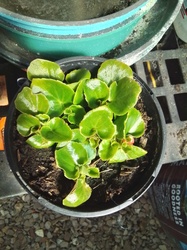
Begonia Identification Guide
Identify Begonias by their characteristic asymmetrical (lopsided) leaves, separate male and female flowers, and winged seed capsules.
Read the full Begonia encyclopedia entry →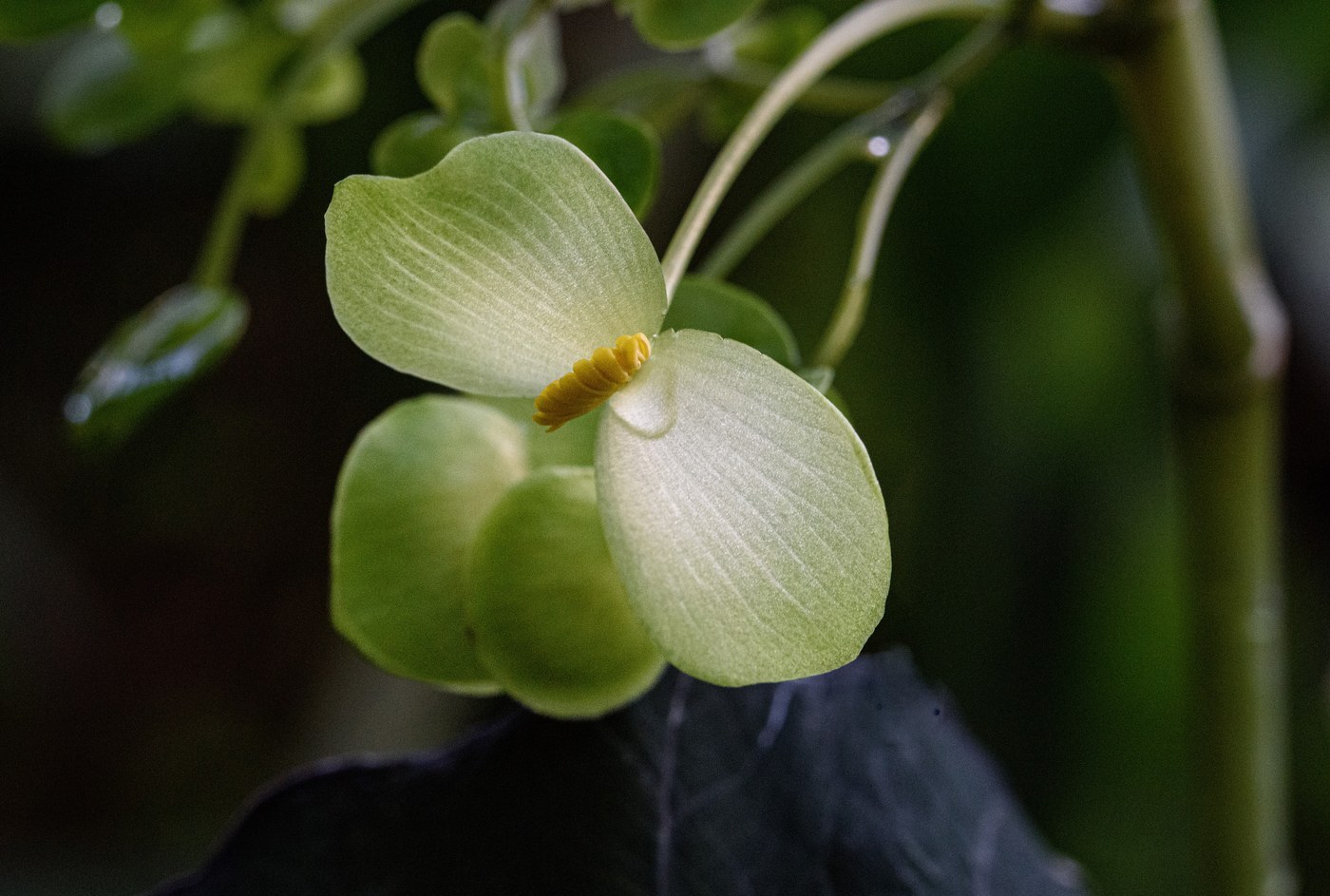
Key Identifying Features
Begonia is one of the largest plant genera, but members share several reliable diagnostic traits:
- Asymmetrical, lopsided leaves — the two halves of the leaf are unequal at the base
- Separate male and female flowers on the same plant (monoecious)
- Winged (three-angled) seed capsules behind female flowers
- Swollen, often jointed nodes on fleshy stems
Leaves & Stems
The uneven leaf base is the single most reliable begonia trait: where the petiole meets the blade, one lobe is larger than the other, giving the classic 'begonia wing' or lopsided look. Leaves are otherwise hugely varied — cane begonias (Angel Wing) have spotted, wing-shaped leaves; Rex begonias have boldly patterned silver, purple, and green leaves; rhizomatous begonias have round or star-shaped leaves; wax begonias have small glossy rounded leaves.
Stems range from fleshy upright bamboo-like canes with swollen nodes to creeping rhizomes to fibrous mounds. Many leaves and stems carry fine hairs, and leaf undersides are often red.
Flowers & Fruit
Begonia flowers confirm the genus: each plant bears separate male and female flowers. Male flowers usually have showier tepals and a cluster of yellow stamens; female flowers have an obvious winged ovary directly behind the petals. After pollination, this develops into a distinctive three-winged seed capsule. Flower colors include white, pink, red, orange, and yellow, sometimes in large clusters. The presence of separate-sex flowers plus winged capsules is essentially diagnostic.
How to Tell It Apart from Look-Alikes
- Impatiens / busy Lizzie: similar bedding use and succulent stems, but leaves are symmetrical and flowers are bisexual with a spur.
- Coleus: colorful foliage like Rex begonias, but coleus has square stems, scalloped symmetrical leaves, and spikes of tiny flowers.
- Strawberry Begonia (Saxifraga stolonifera): not a true begonia — it spreads by runners and has symmetrical leaves; the name is misleading.
The lopsided leaf base + separate male/female flowers + winged seed capsule together confirm a true Begonia.
Where You'll Find It
Native to moist tropical and subtropical regions worldwide, begonias are grown as houseplants, shade bedding plants, and hanging baskets. Rex and rhizomatous types are prized indoor foliage plants; wax and tuberous begonias are common garden bedding. Most prefer bright indirect light, high humidity, and well-drained soil, and dislike soggy roots. Outdoors they suit shady, frost-free spots.
Quick ID Checklist
- Asymmetrical (lopsided) leaf base
- Separate male and female flowers on one plant
- Winged three-angled seed capsule behind female flowers
- Swollen, jointed nodes on fleshy stems
- Leaf undersides often red; varied bold leaf patterns
Frequently asked questions
What is the most reliable way to identify a Begonia?
Check the leaf base. Begonia leaves are asymmetrical, with one side larger than the other where the stalk meets the blade. Combined with separate male and female flowers and winged seed capsules, that lopsided leaf confirms it.
Why does my begonia have two different kinds of flowers?
Begonias are monoecious, producing separate male and female flowers on the same plant. Male flowers show prominent yellow stamens, while female flowers have a winged ovary behind the petals that becomes the seed capsule.
Is a Strawberry Begonia a real begonia?
No. Strawberry Begonia (Saxifraga stolonifera) is not a true Begonia. It spreads by strawberry-like runners and has symmetrical leaves; the name only reflects a superficial resemblance.
Begonia identified by the community
Recent Begonia specimens identified with Plant Identifier.