How to Care for Bell Pepper
Grow lush, productive bell pepper plants with full sun, even moisture, warm temperatures, and steady feeding all season long.
Read the full Bell Pepper encyclopedia entry →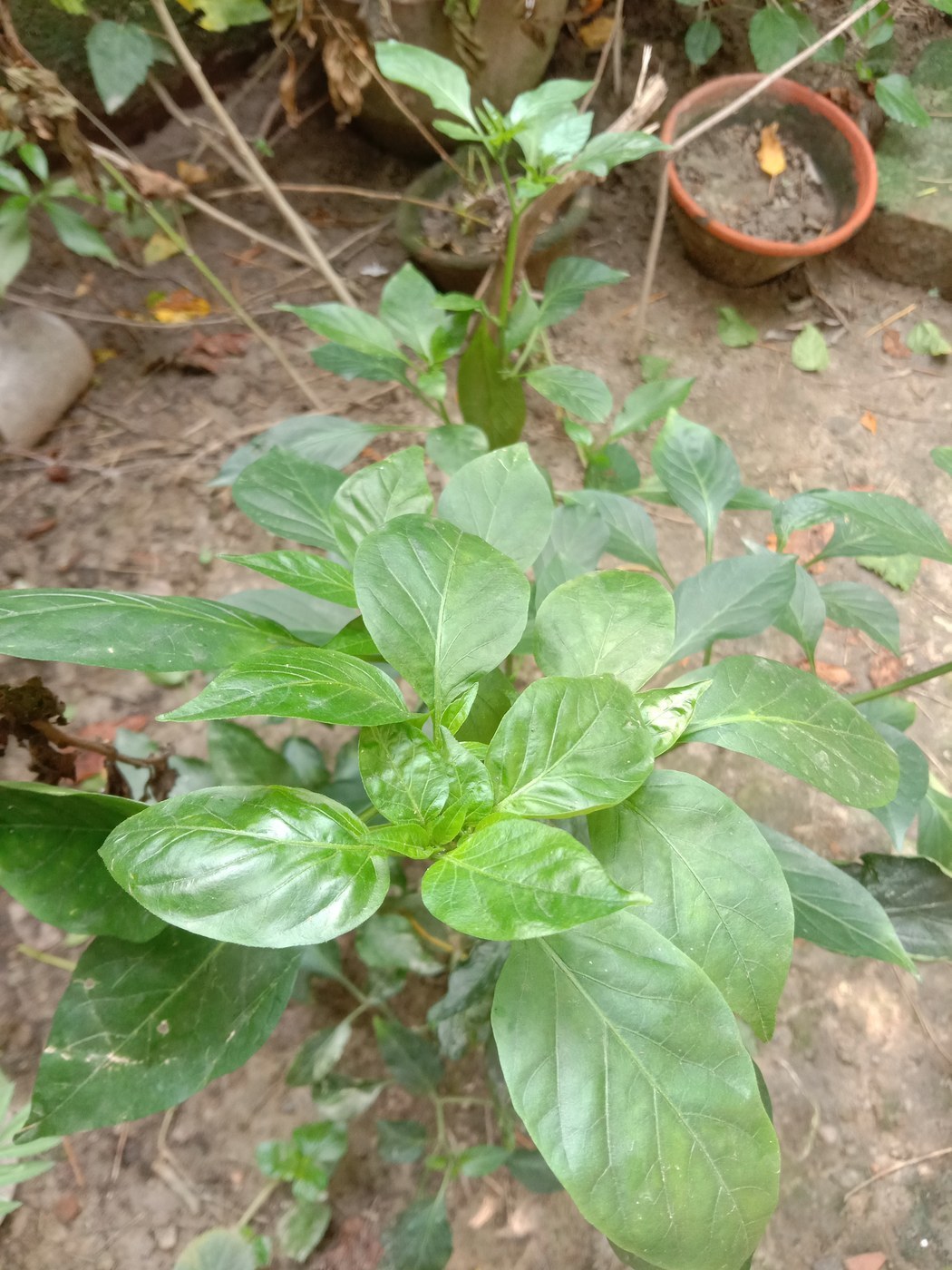
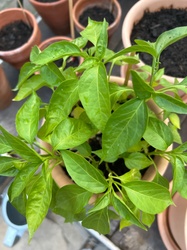
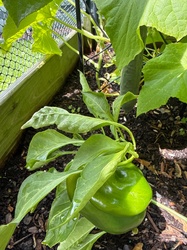
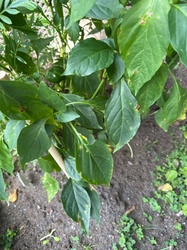
Bell peppers (Capsicum annuum) are warm-season, ornamental fruiting plants prized for their glossy leaves and colorful, pendant fruit. They are a moderate-difficulty grower that rewards steady warmth, bright light, and consistent moisture.
Light
Give bell peppers full sun, at least 6-8 hours of direct light daily. In containers indoors or on a patio, place them in the brightest spot available, ideally a south-facing window or under a strong grow light. Insufficient light produces leggy, weak stems and few fruit.
Water
Keep the soil evenly moist but never soggy. Water deeply whenever the top inch begins to dry, aiming for consistent moisture rather than swings between bone-dry and waterlogged. Erratic watering causes flower drop and misshapen fruit. Mulch around the base to buffer moisture and reduce evaporation.
Soil & Potting
Use a rich, well-draining loam with plenty of organic matter. In containers, a quality potting mix amended with compost works well; choose a pot at least 12 inches wide with drainage holes. A slightly acidic to neutral pH (roughly 6.0-6.8) suits them best.
Humidity & Temperature
Bell peppers are cold-sensitive and thrive between 70-85F during the day and above 60F at night. Blossoms drop if nights fall below about 55F or if daytime heat exceeds the mid-90sF. Moderate humidity is ideal; very dry air can stress plants and slow growth.
Feeding
Feed regularly with a balanced fertilizer early on, then shift to one lower in nitrogen and higher in phosphorus and potassium once flowering begins. Excess nitrogen produces lush foliage at the expense of fruit. Feed every 2-3 weeks during active growth.
Propagation
Bell peppers are grown from seed. Start seeds indoors 8-10 weeks before the last frost in a warm spot (75-85F speeds germination). Transplant seedlings outdoors only after all danger of frost has passed and soil has warmed.
Repotting / Pruning
Pot up seedlings as they outgrow their cells to keep roots from becoming cramped. Pinch early flower buds on young transplants to encourage bushier growth. Staking or caging supports heavy fruit and prevents stems from snapping.
Common Problems & Pests
Watch for aphids, spider mites, whiteflies, and flea beetles; rinse or treat with insecticidal soap. Blossom-end rot appears as sunken dark patches and is caused by inconsistent watering and calcium uptake issues. Fungal leaf spots and root rot follow overly wet conditions, so ensure good drainage and airflow.
Seasonal Care Tips
Start indoors in late winter, harden off before transplanting in late spring, and grow through the warm summer months. Provide afternoon shade in extreme heat to prevent sunscald and flower drop. In cool climates, plants can be grown in containers and moved to shelter as temperatures fall.
Frequently asked questions
Why are the flowers falling off my bell pepper?
Flower drop is usually caused by temperature extremes (nights below 55F or days above the mid-90sF), inconsistent watering, or too much nitrogen. Keep conditions warm and steady and switch to a lower-nitrogen feed at flowering.
How much sun do bell peppers need?
They need full sun, at least 6-8 hours of direct light daily. Too little light leads to leggy plants and poor fruiting, so give them the brightest spot you have.
Can I grow bell peppers in a container?
Yes. Use a pot at least 12 inches wide with drainage holes and a rich, well-draining mix. Containers make it easy to move plants into warmth and full sun.
Why does my pepper have dark sunken spots on the fruit?
That is blossom-end rot, linked to uneven watering and calcium uptake. Water consistently to keep soil evenly moist and mulch to stabilize moisture.
Bell Pepper identified by the community
Recent Bell Pepper specimens identified with Plant Identifier.