
How to Care for Bellflower
Grow Campanula bellflowers with even moisture, full sun to part shade, and simple deadheading for waves of blue and white bells.
Read the full Bellflower encyclopedia entry →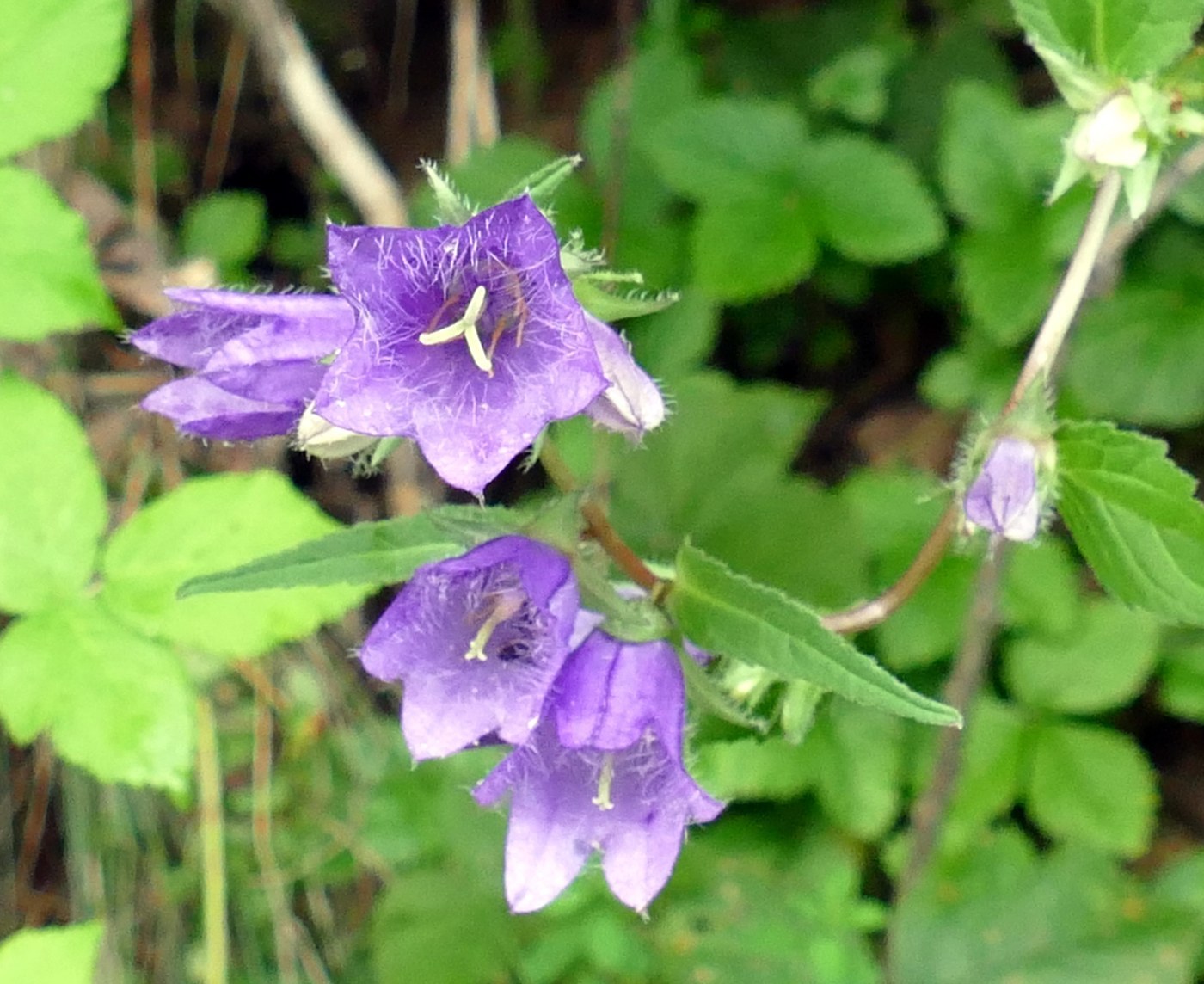
Bellflowers (Campanula) are cheerful, cottage-garden perennials prized for their clusters of blue, purple, pink, or white bell-shaped blooms. This large genus ranges from low creeping ground covers to tall border plants, and most are forgiving, easy growers.
Light
Give bellflowers full sun to part shade. In cooler climates they thrive in all-day sun, which produces the most compact growth and heaviest bloom. In hot-summer regions, a spot with morning sun and afternoon shade prevents flower scorch and keeps plants blooming longer.
Water
Keep the soil evenly moist, especially during active growth and flowering. Water when the top inch of soil begins to dry, aiming for consistent moisture rather than extremes. Established plants tolerate short dry spells, but prolonged drought reduces flowering. Avoid waterlogged soil, which causes crown rot.
Soil & Potting
Bellflowers prefer well-drained soil rich in organic matter, with a neutral to slightly alkaline pH. Amend heavy clay with compost and grit to improve drainage. In containers, use a quality potting mix and ensure ample drainage holes. Creeping alpine types appreciate a grittier, faster-draining mix.
Humidity & Temperature
Most bellflowers are cool-climate perennials that relish moderate temperatures and dislike prolonged heat and humidity. They are hardy through cold winters and often overwinter as dormant crowns. Good air circulation helps prevent foliar problems in humid conditions.
Feeding
Feed lightly. A spring application of balanced granular fertilizer or a topdressing of compost is usually enough. For containers, a diluted liquid feed every few weeks during the growing season supports steady blooming. Avoid heavy nitrogen, which promotes floppy foliage at the expense of flowers.
Propagation
Propagate by division in spring or fall, lifting clumps and separating rooted sections. Many species also grow readily from seed sown in spring, and stem cuttings root well in early summer. Creeping types spread on their own and can be teased apart easily.
Repotting / Pruning
Divide crowded clumps every two to three years to maintain vigor. Deadhead spent blooms regularly to encourage repeat flowering and prevent unwanted self-seeding. After the main flush, shear back leggy or tired growth to promote a fresh, tidy mound. Cut back to the base in late fall or early spring.
Common Problems & Pests
Slugs and snails are the most common nuisance, chewing new growth. Aphids may cluster on buds and tender shoots. In damp, crowded conditions, rust and powdery mildew can appear; improve airflow and avoid overhead watering. Crown and root rot result from soggy soil, so prioritize drainage.
Seasonal Care Tips
In spring, top-dress with compost and remove winter debris. Through summer, deadhead often and water in dry spells. Tall varieties may need staking. In fall, divide crowded plants and cut back spent stems. In cold regions, a light mulch protects crowns over winter.
Frequently asked questions
Why isn't my bellflower blooming much?
Too little light or excess nitrogen are common causes. Move plants into brighter conditions, feed sparingly, and deadhead spent blooms to encourage a second flush of flowers.
How often should I divide bellflowers?
Divide every two to three years in spring or fall. This refreshes crowded clumps, keeps growth vigorous, and gives you extra plants to spread around the garden.
Do bellflowers do well in containers?
Yes. Use a well-draining potting mix, water when the top inch dries, and feed lightly during the growing season. Compact and creeping types are especially well suited to pots.
Should I cut back bellflowers after flowering?
Shearing back leggy stems after the main bloom often triggers fresh growth and repeat flowering. Cut plants down to the base in late fall or early spring.