
How to Care for Bells of Ireland
Grow Bells of Ireland (Moluccella laevis) for tall spires of green shell-like calyces. Cool starts and steady moisture are key.
Read the full Bells of Ireland encyclopedia entry →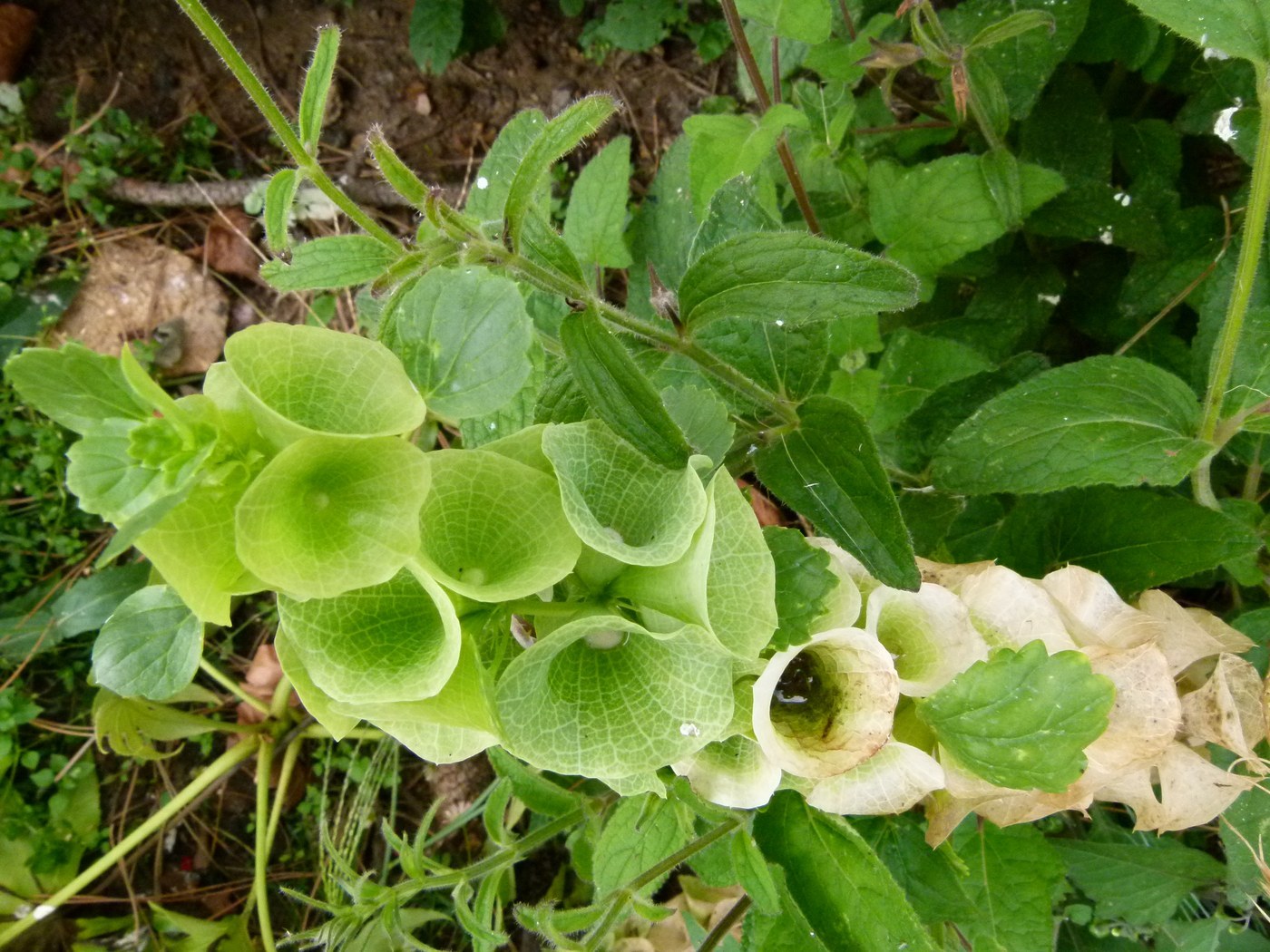
Bells of Ireland are distinctive annuals grown for their tall spires ringed with green, shell-shaped calyces that surround tiny fragrant flowers. Prized by flower arrangers, they add striking vertical form and unusual apple-green color to beds and bouquets.
Light
Grow in full sun to part shade. Full sun gives the sturdiest, most upright stems, though in hot climates a little afternoon shade helps. Too much shade leads to weak stems that need staking.
Water
Water needs are regular; keep the soil evenly moist. Bells of Ireland do not like to dry out completely, and consistent moisture produces the tallest, best-formed spikes. Mulch helps retain moisture, but avoid waterlogged ground.
Soil & Potting
Plant in rich, well-drained soil with plenty of organic matter. A fertile loam that holds moisture yet drains freely is ideal, with a neutral pH. In containers, use a deep pot and a quality moisture-retentive but free-draining mix to support the tall growth.
Humidity & Temperature
These are cool-season plants that germinate and establish best in cool conditions and can bolt or struggle in extreme heat. They tolerate light frost as young plants. Provide good airflow to prevent fungal issues in humid weather.
Feeding
Feed moderately. Work compost into the soil before planting and apply a balanced fertilizer once or twice during active growth to fuel the tall flower spikes. Avoid excessive nitrogen, which can weaken the stems.
Propagation
Propagate from seed, which benefits from a period of cold to improve germination. Chill the seed in the refrigerator for a couple of weeks or sow outdoors in late winter so cold naturally breaks dormancy. Surface-sow and barely cover, as light aids germination, and be patient, as sprouting can be slow and uneven. They dislike root disturbance, so start in deep cells or direct sow.
Repotting / Pruning
Because they resent transplanting, avoid moving established plants. Stake tall stems in exposed or partly shaded sites to keep them upright. Harvest stems for arrangements when the bells are well formed; handle carefully, as the stems carry small spines. Deadheading is generally unnecessary as they are grown for the whole spike.
Common Problems & Pests
Aphids may gather on stems and within the bells, and the plants can suffer fungal leaf spots or rot in overly wet, crowded conditions. Poor or erratic germination is the most common frustration, usually solved by cold-conditioning the seed. Weak stems typically indicate too much shade or overly rich, nitrogen-heavy soil.
Seasonal Care Tips
Cold-stratify or direct-sow seed in late winter for spring germination. Keep plants evenly watered as they shoot up in spring and early summer, staking as needed. Harvest for fresh or dried arrangements at peak, and note that plants often self-sow, leaving volunteers for the following year.
Frequently asked questions
Why won't my Bells of Ireland seeds germinate?
They need cold to break dormancy. Chill the seed in the refrigerator for a couple of weeks before sowing, or sow outdoors in late winter. Also surface-sow, since light aids germination, and be patient as sprouting is slow.
Do Bells of Ireland need staking?
Often yes, especially in part shade or windy sites. Full sun produces the sturdiest stems, but the tall spires can still flop and benefit from support.
Can I transplant Bells of Ireland seedlings?
They dislike root disturbance, so it is best to sow directly or start them in deep cells and move them while very young with the root ball intact.
Are the green bells the flowers?
No. The showy green shells are the calyces; the tiny true flowers sit inside them. The plant is grown mainly for those striking green spires, fresh or dried.