Bells of Ireland
Moluccella laevis
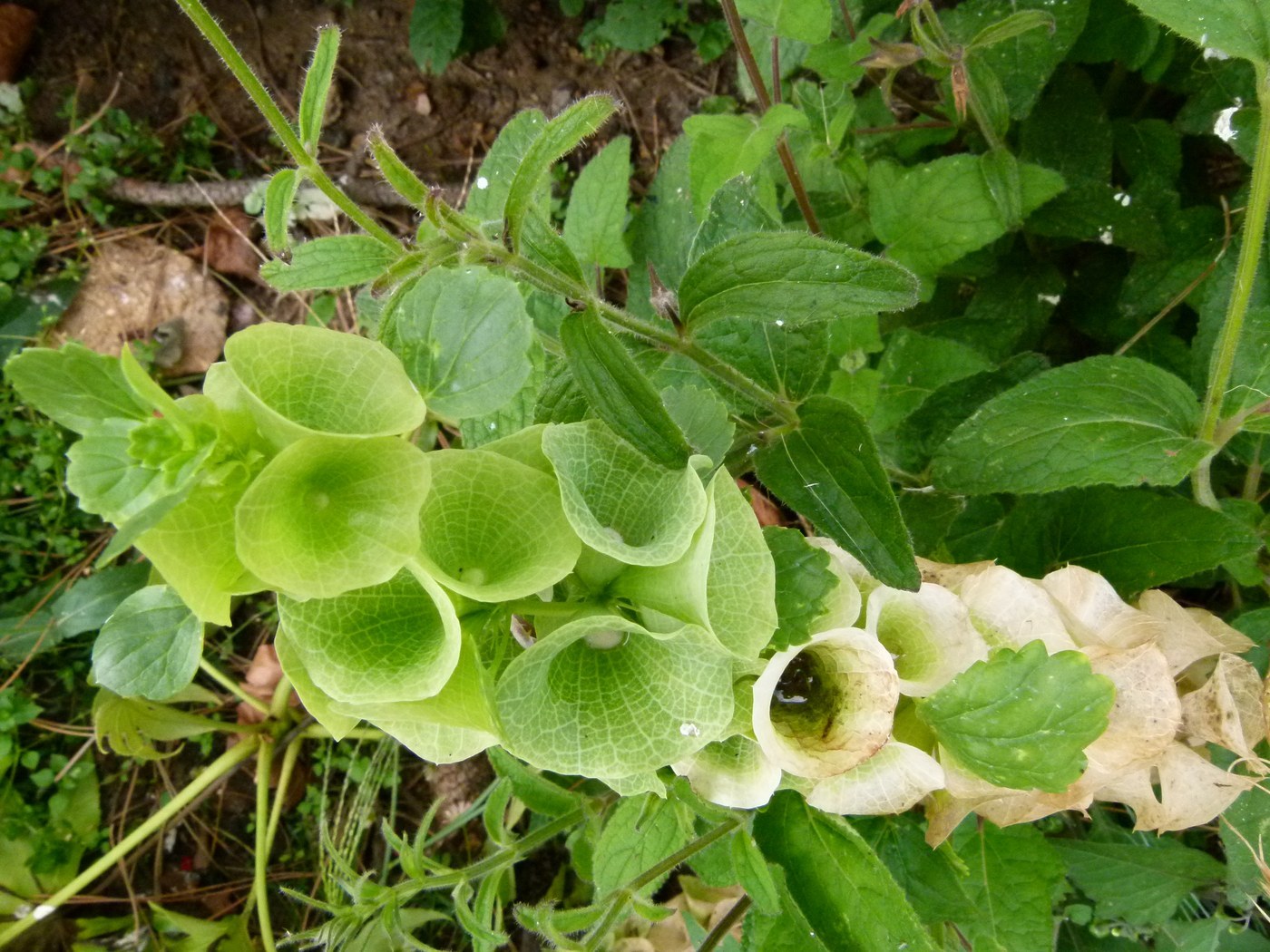
Bells of Ireland is a cool-season annual famous for its tall spires of shell-like green calyces that look like little bells. It is a florist favorite for adding vertical lines and lasting green color to bouquets.
- Light
- Full sun to part shade
- Water
- Regular; keep evenly moist
- Difficulty
- Moderate
Got a plant like this?
Identify any plant from a photo, free.
Overview
Bells of Ireland is grown not for showy petals but for its striking apple-green calyces, which form a ladder of cup-shaped 'bells' up each stem. The tiny true flowers, white and fragrant, sit hidden inside the bells.
Despite the name, it is native to the eastern Mediterranean and western Asia, not Ireland; the name nods to its emerald-green color.
A member of the mint family, it has square stems and a faint herbal scent. It is prized fresh and dried for floral design.
How to identify it
- Height: Upright spikes 2-3 ft tall.
- 'Bells': Whorls of bright green, bell- or shell-shaped calyces stacked along the stem.
- Flowers: Small white-to-pale-pink fragrant flowers tucked inside each calyx.
- Leaves: Rounded, scalloped, soft green leaves on square stems (typical of the mint family).
- Texture: Slightly spiny bracts; the dried bells fade to papery tan.
Care & growing
Light: Full sun in cooler climates; afternoon shade where summers are hot.
Water: Keep soil evenly moist; it dislikes drying out.
Soil: Rich, well-drained soil.
Temperature: A cool-season annual that performs best in mild spring and early-summer weather; it bolts and fades in extreme heat.
Feeding: A balanced fertilizer supports tall, sturdy spikes.
Propagation: Sow seed directly or start indoors; seeds benefit from a period of cold (stratification) and light to germinate. Stake tall stems to keep them straight.
Habitat & origin
Native to the eastern Mediterranean region, including Turkey, Syria, and the Caucasus, where it grows in open, sunny areas.
It is widely cultivated in temperate gardens as a cool-season annual and grown commercially as a cut flower around the world.
Frequently asked questions
Are bells of Ireland actually from Ireland?
No. They are native to the eastern Mediterranean and western Asia; the name refers to their lush green 'lucky' color.
What are the green bells?
They are the calyces, not petals. The tiny true flowers are white and fragrant and sit inside each green bell.
Can I dry them?
Yes. Hang stems upside down in a dry place; the bells dry to a papery tan and last well in arrangements.
Why are they hard to start from seed?
Seeds germinate best after a chilling period and need light to sprout, so cold-stratify them and sow on the soil surface.
Bells of Ireland guides
In-depth guides for identifying, growing, and caring for Bells of Ireland.
How to Care for Bells of Ireland
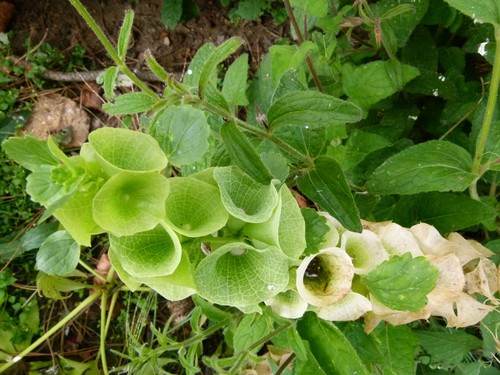
Grow Bells of Ireland (Moluccella laevis) for tall spires of green shell-like calyces. Cool starts and steady moisture are key.
Bells of Ireland Identification Guide
Recognize bells of Ireland (Moluccella laevis) by its tall green spikes ringed with shell-like calyx 'bells' and its minty square stems.