
How to Care for Bermuda Grass
Grow a dense, drought-tough Bermuda grass lawn with full sun, deep infrequent watering, and regular low mowing.
Read the full Bermuda Grass encyclopedia entry →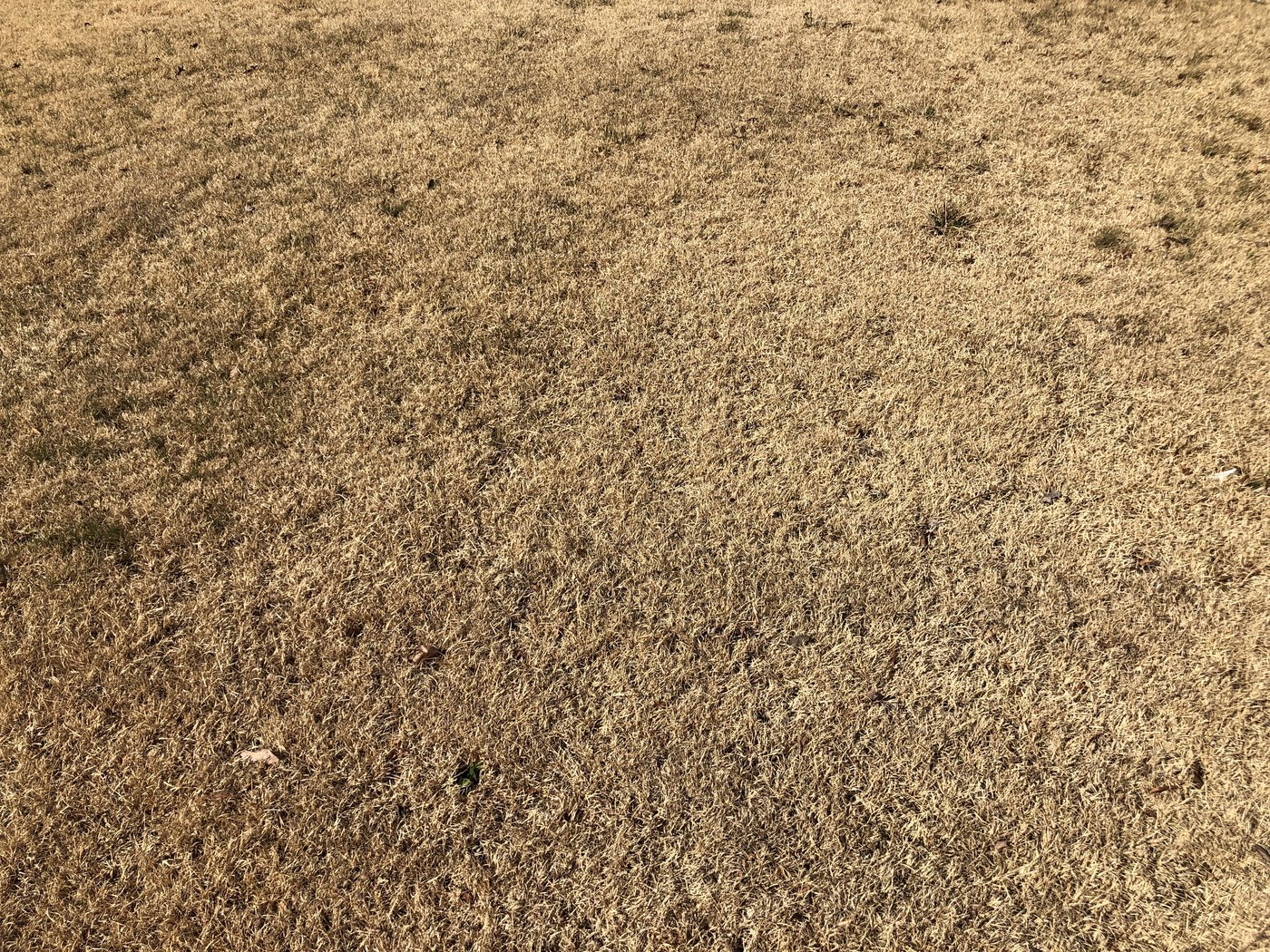
Bermuda grass (Cynodon dactylon) is a warm-season, sun-loving turf grass prized for its fast spread, wear tolerance, and remarkable drought hardiness. It knits into a dense carpet through both above-ground stolons and below-ground rhizomes, making it one of the easiest lawn grasses to establish where summers are hot.
Light
Bermuda grass demands full sun and performs best with at least 6-8 hours of direct light daily. It is one of the least shade-tolerant lawn grasses; under trees or on the north side of buildings it thins, grows leggy, and eventually gives way to weeds or bare soil. If part of your lawn is shaded, expect that zone to struggle and consider a shade-tolerant grass there instead.
Water
Once established, Bermuda grass is genuinely drought-tolerant and prefers deep, infrequent watering over frequent light sprinklings. Water deeply to wet the top 15-20 cm of soil, then let it dry before watering again; this trains roots to grow deep. A well-rooted lawn can go dormant and brown during drought and green back up when moisture returns. Overwatering encourages shallow roots, thatch, and fungal disease. During establishment from seed or sprigs, keep the surface consistently moist until rooted.
Soil & Potting
Bermuda grass tolerates a wide range of soils but thrives in well-drained loam or sandy soils with a slightly acidic to neutral pH (about 6.0-7.0). It handles heavy clay if drainage is adequate but sulks in permanently soggy ground. Good soil contact is key for seeding and sprigging, so rake to a fine, firm seedbed before planting.
Humidity & Temperature
This is a warm-season grass with peak growth when daytime temperatures run 24-35 C. It greens up in late spring, grows vigorously through summer heat, and goes dormant (browning off) after the first frosts. It survives light freezes as dormant crowns but is not suited to regions with prolonged hard winters. Humidity is rarely a concern, though muggy, wet conditions can raise disease pressure.
Feeding
Bermuda grass is a heavy feeder relative to many grasses and responds strongly to nitrogen during its active growing season. Apply a balanced or nitrogen-forward lawn fertilizer in late spring once the grass is fully green, and repeat every 4-6 weeks through summer following product rates. Stop feeding as the grass approaches dormancy in fall so you don't push tender growth into frost.
Propagation
Bermuda grass spreads aggressively on its own via stolons and rhizomes, and can be established from seed, sod, sprigs, or plugs. Seed germinates readily in warm soil (above about 18 C). Sprigging and plugging fill in quickly during the growing season. Because it spreads so freely, install edging to keep it out of flower beds.
Repotting / Pruning
Mowing is the main maintenance task. Bermuda grass tolerates and even prefers close mowing; keep it roughly 2-4 cm tall, mowing frequently enough that you never remove more than a third of the blade at once. Regular mowing thickens the turf. Dethatch or lightly scalp in early spring before green-up to remove built-up dead material and encourage fresh growth. Core aerate compacted lawns annually.
Common Problems & Pests
Common issues include thatch buildup from overwatering and overfeeding, and fungal diseases such as dollar spot and brown patch in humid, wet conditions; improve airflow and avoid evening watering to reduce these. Insect pests can include armyworms, sod webworms, and grubs, which cause irregular brown patches. Its aggressive spread also makes it a weed in adjacent beds, so manage edges diligently. Thinning usually signals too much shade or compaction.
Seasonal Care Tips
In spring, dethatch, aerate, and begin feeding once fully green. Through summer, mow often, feed on schedule, and water deeply but infrequently. In fall, taper off fertilizer and let the grass harden for dormancy. In winter, expect brown dormant turf in cooler climates; minimize traffic on frozen, dormant grass and resume care as it greens up the following spring.
Frequently asked questions
Why is my Bermuda grass turning brown?
Browning is usually dormancy from drought or cold rather than death. Bermuda grass goes brown after frost and during severe dry spells, then greens back up with warmth and moisture. If browning is patchy during active growth, check for disease, insect damage, or shade.
How short should I mow Bermuda grass?
Bermuda grass thrives when kept short, roughly 2-4 cm tall. Mow frequently enough that you never remove more than a third of the blade height at once, which keeps the turf dense and discourages weeds.
Does Bermuda grass grow in shade?
No. It is one of the most shade-intolerant lawn grasses and needs at least 6-8 hours of direct sun. In shaded areas it thins out and struggles, so choose a shade-tolerant grass for those spots.
How often should I water an established Bermuda lawn?
Water deeply but infrequently, wetting the top 15-20 cm of soil and then letting it dry before watering again. This encourages deep roots and drought resilience. Frequent shallow watering leads to weak roots and disease.