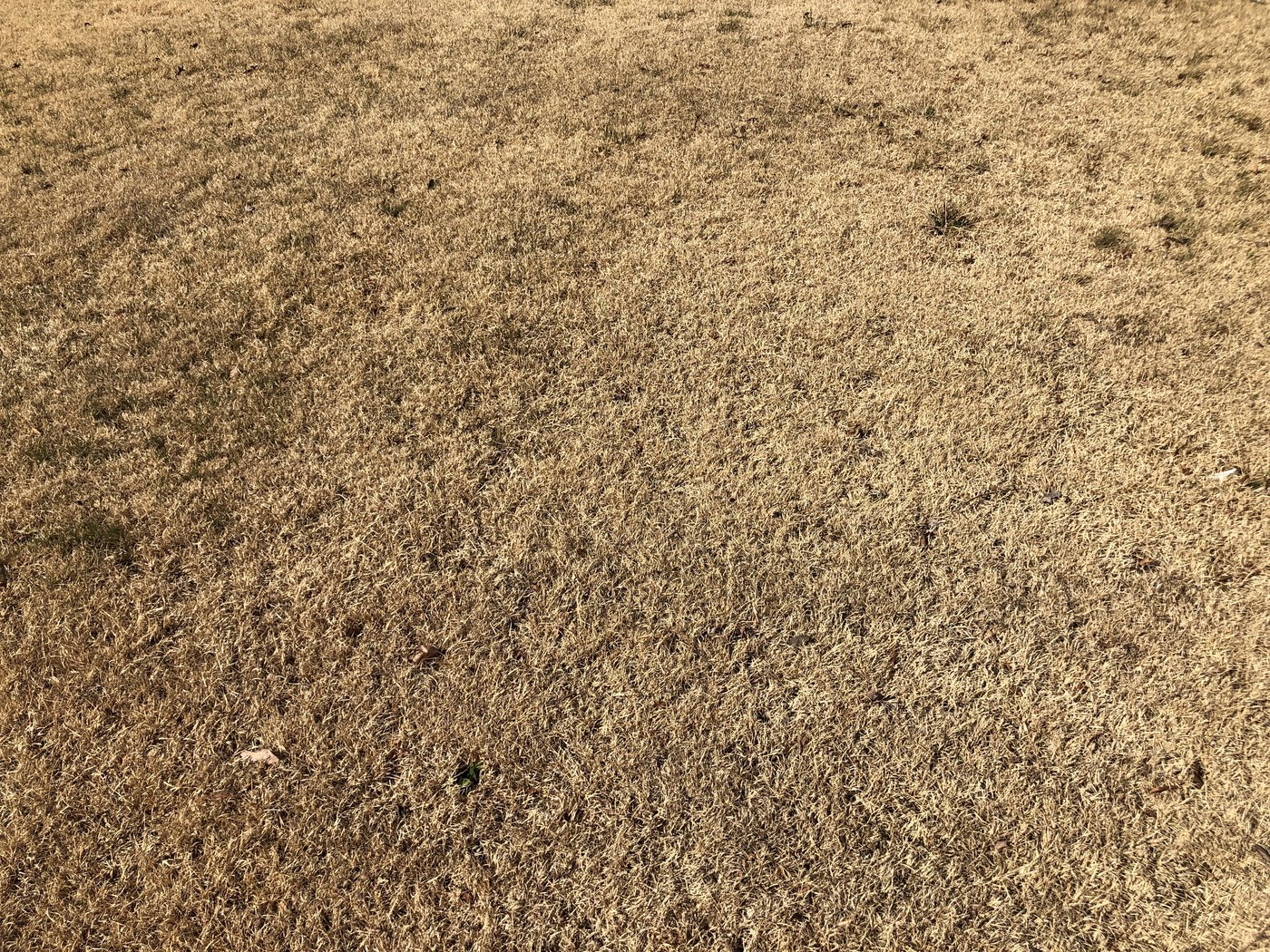
Bermuda Grass
Cynodon dactylon
Bermuda grass is a tough, sun-loving warm-season turfgrass prized for lawns and sports fields in warm climates, but notorious as an aggressive weed elsewhere. It spreads rapidly by both stolons and rhizomes.
- Light
- Full sun
- Water
- Drought-tolerant; deep, infrequent watering
- Difficulty
- Easy
Got a plant like this?
Identify any plant from a photo, free.
Overview
Bermuda grass (Cynodon dactylon) is a warm-season perennial grass native to Africa and Eurasia and now naturalized worldwide in warm regions. It is one of the most widely used turfgrasses for lawns, golf courses, athletic fields, and pastures in hot climates.
Its strengths are also why it is despised in gardens: it tolerates heat, drought, salt, and heavy foot traffic, and it spreads vigorously by both above-ground stolons and underground rhizomes. The same traits make it an invasive nuisance in flower beds and cool-season lawns.
Numerous improved cultivars and hybrids exist for fine turf, while the common wild form is coarser.
How to identify it
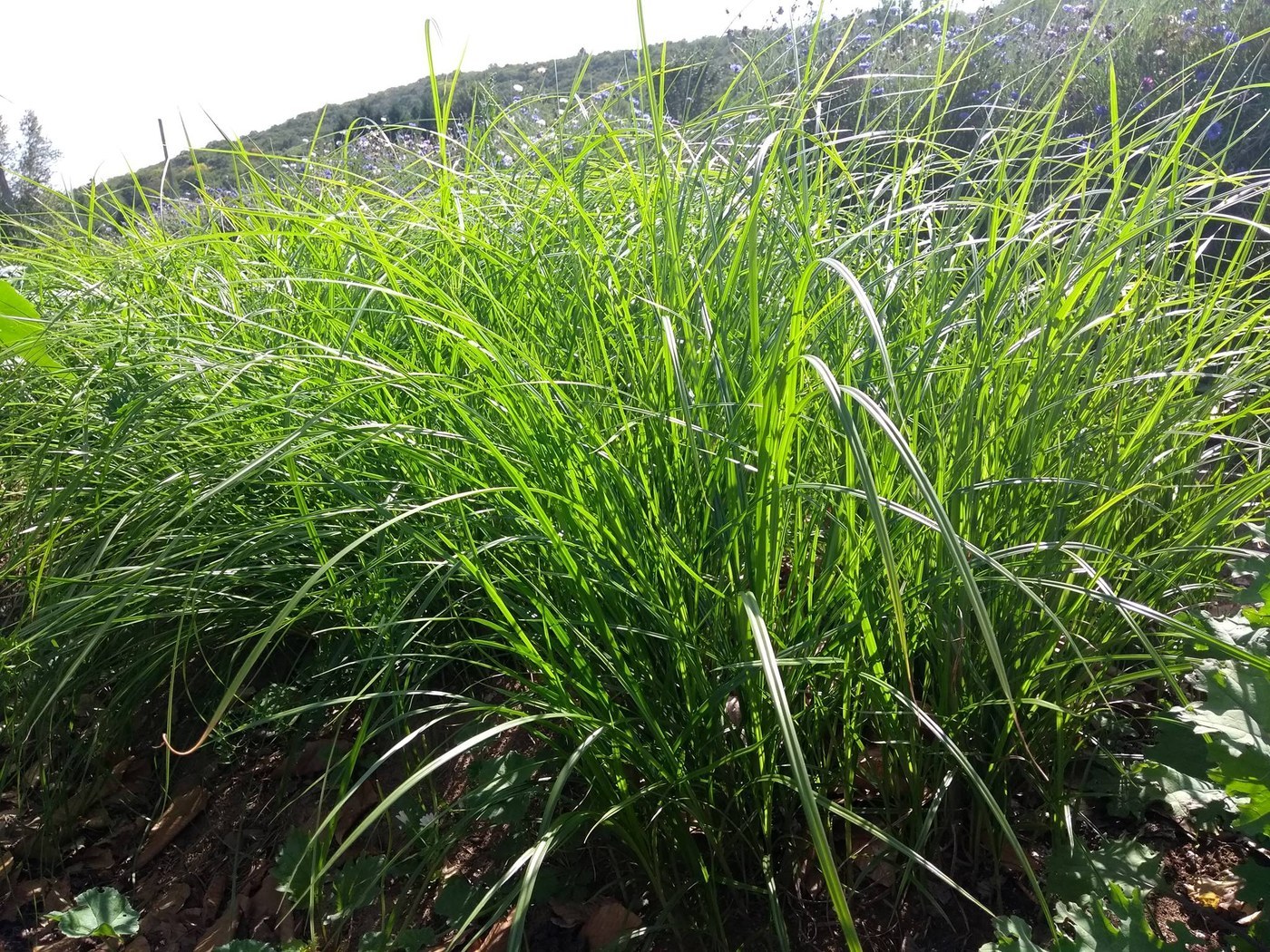
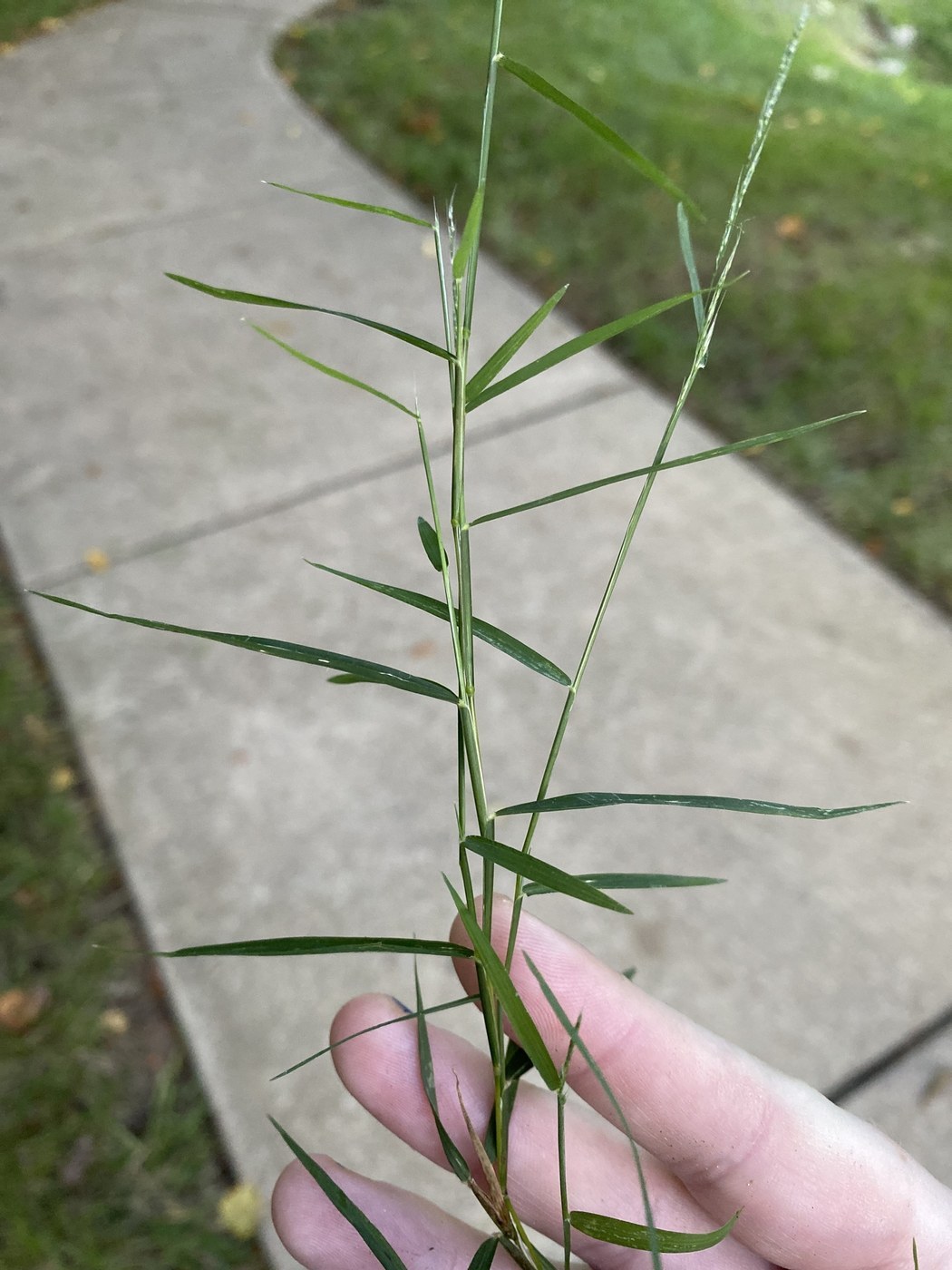
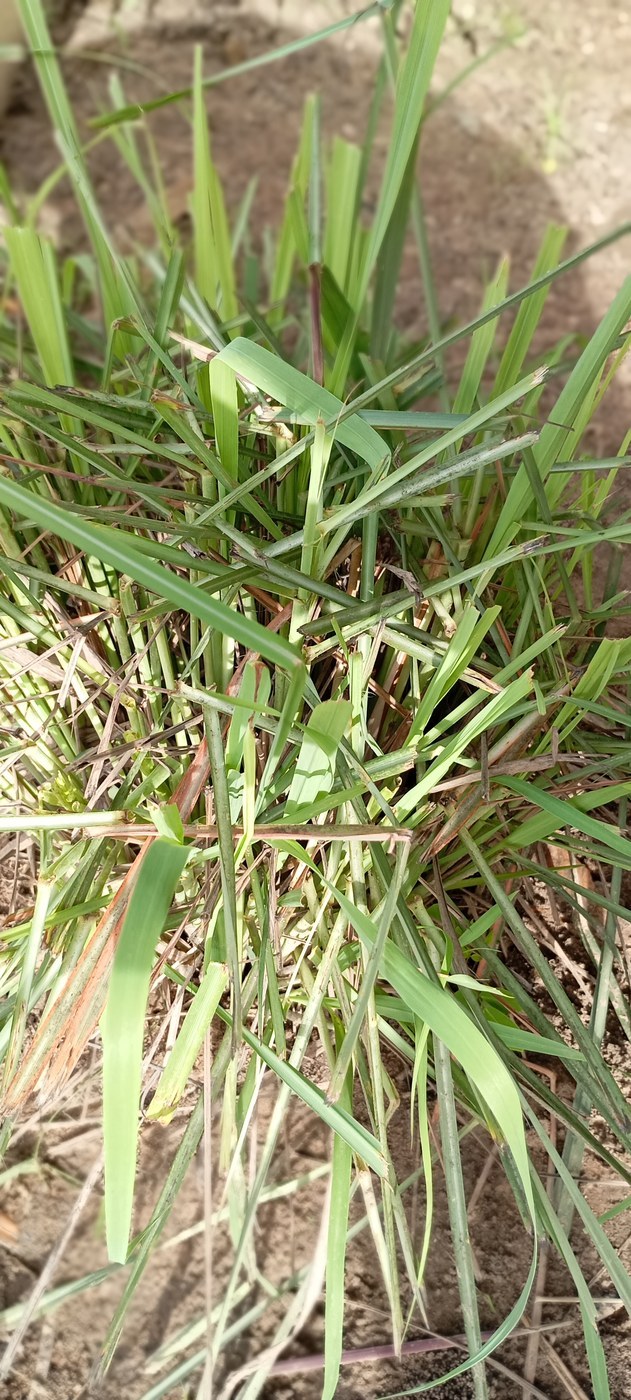
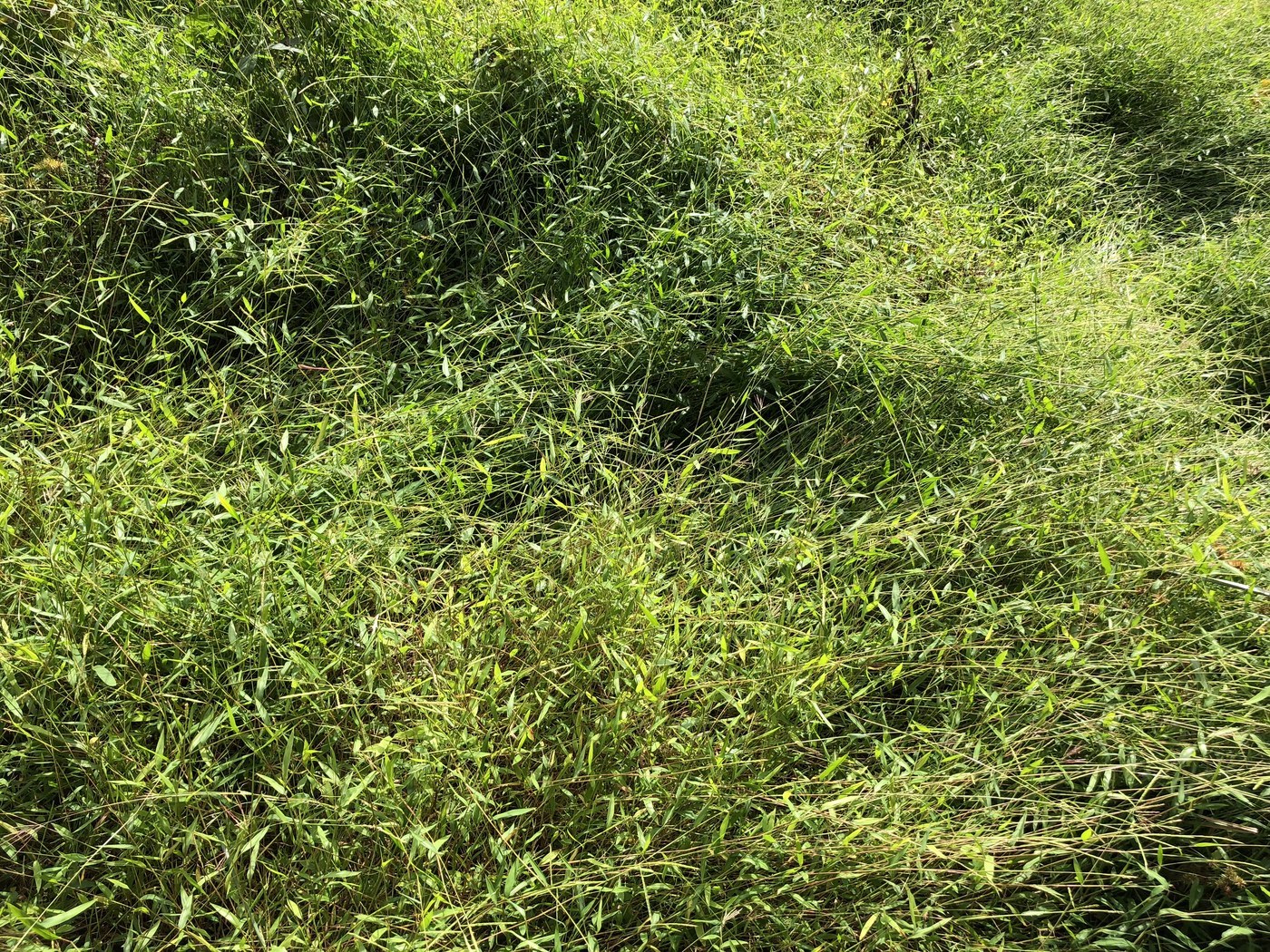
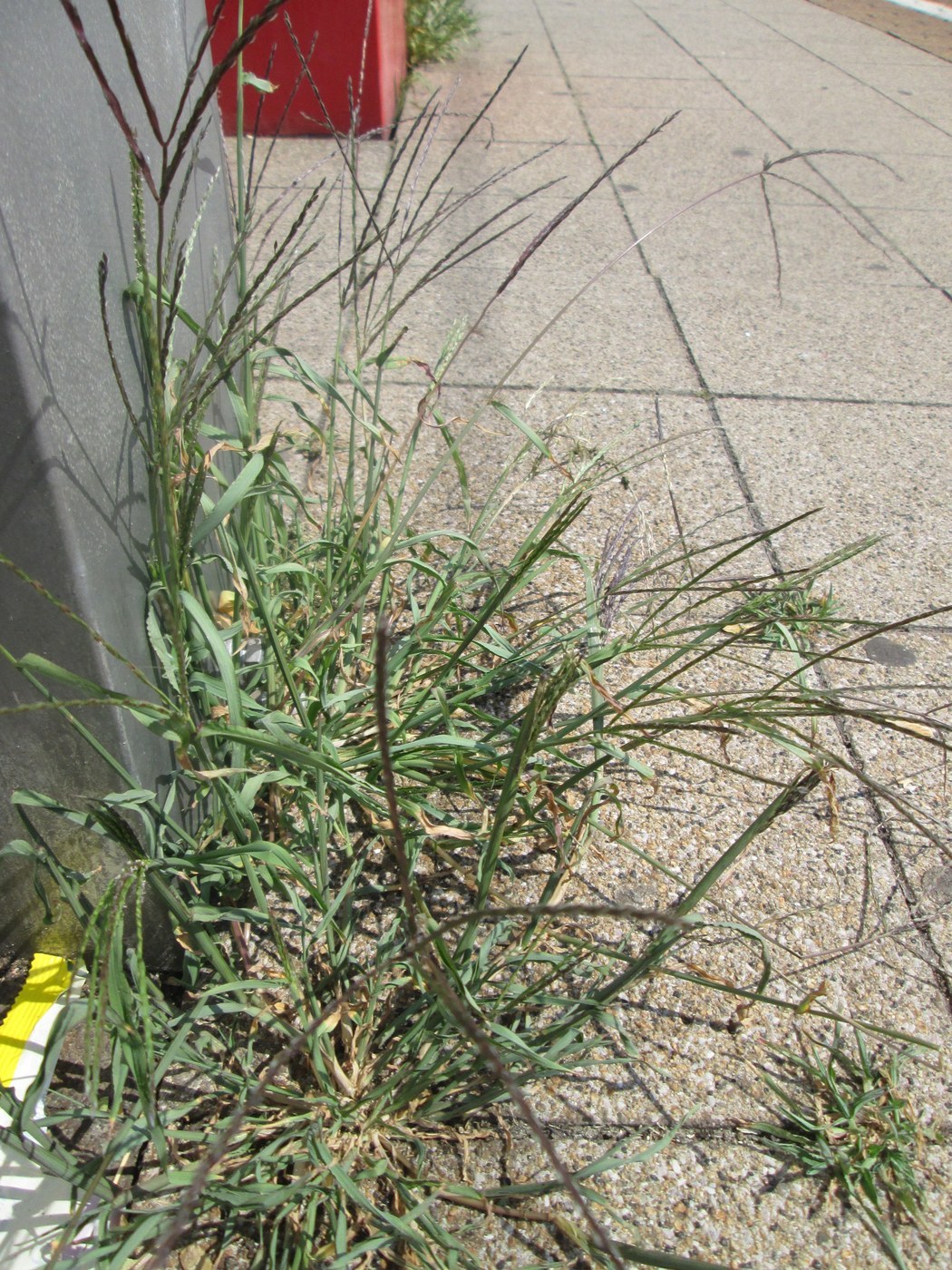
Look for a low, dense, gray-green creeping grass with a distinctive finger-like flower head.
- Leaves: Short, flat, gray-green blades with a fringe of hairs at the leaf base (ligule of hairs)
- Habit: Mat-forming, spreading by both surface stolons and underground rhizomes
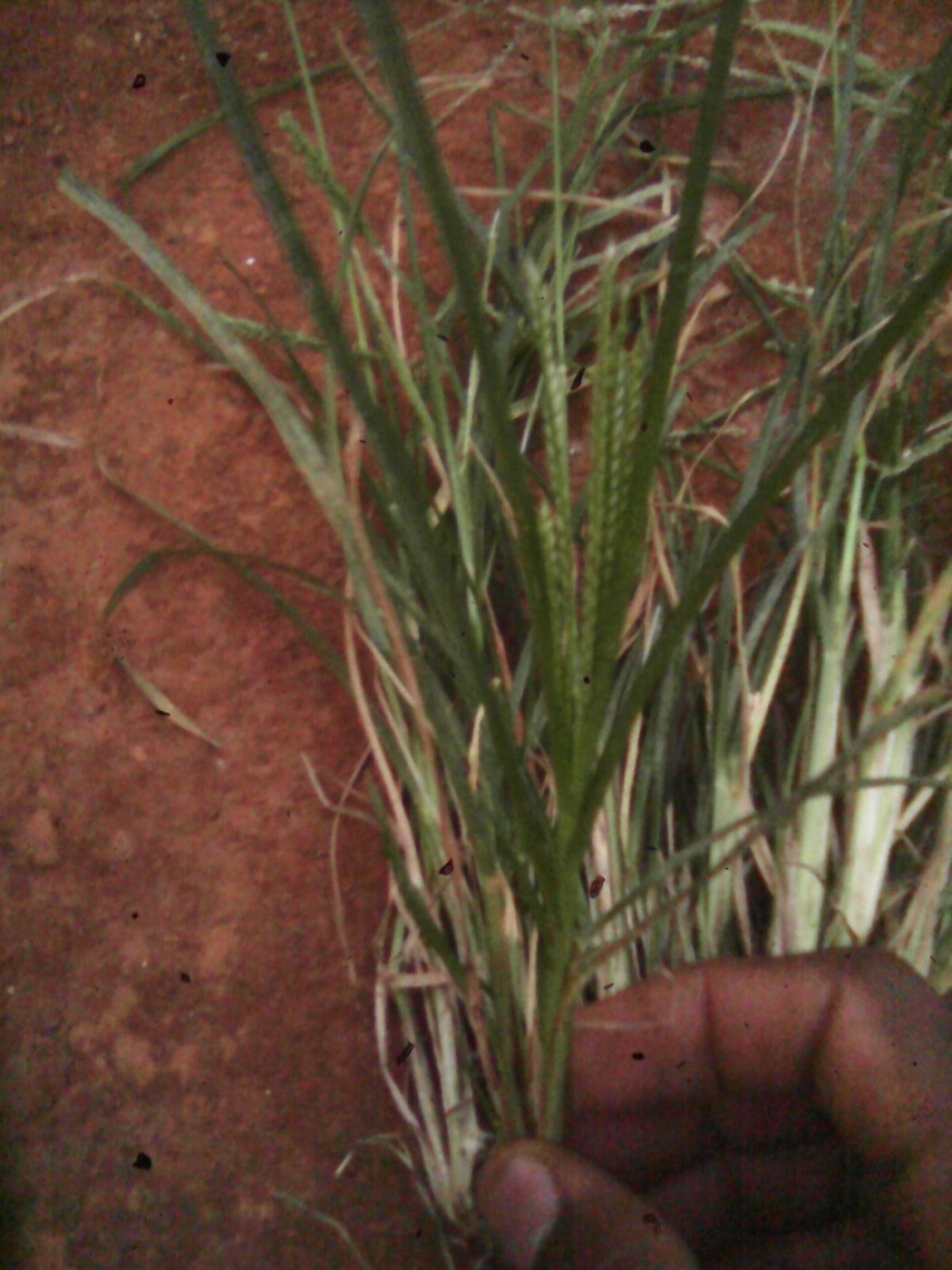
- Flowers: 3-7 slender spikes radiating like fingers from a single point at the stem tip
- Roots: Deep, wiry rhizome system that makes removal difficult
- Texture: Fine to medium; turns brown and dormant with cold or drought
Care & growing
Easy to grow as turf in warm climates; the challenge is usually containing it.
- Light: Needs full sun; thins badly in shade
- Water: Drought-tolerant once established; water deeply and infrequently
- Soil: Adapts to most soils, including poor and salty ones; tolerates a wide pH range
- Mowing: Tolerates and benefits from frequent, low mowing
- Feeding: Responds strongly to nitrogen during the warm growing season
- Control as a weed: Persistent digging of rhizomes or repeated non-selective herbicide; fragments readily re-sprout
Habitat & origin
Native to Africa, the Mediterranean, and parts of Asia, Bermuda grass is now found throughout warm-temperate, subtropical, and tropical regions worldwide.
It thrives in open, sunny, disturbed ground: lawns, roadsides, pastures, fields, and waste places. It grows best where summers are hot and is limited mainly by cold winters and deep shade.
Frequently asked questions
Why is Bermuda grass so hard to kill?
It spreads by both above-ground stolons and deep underground rhizomes, and even small fragments can re-sprout, so it regrows persistently after removal attempts.
Is Bermuda grass a good lawn grass?
Yes, in hot, sunny climates it makes a durable, drought- and traffic-tolerant lawn; it performs poorly in shade and cold regions.
Will Bermuda grass grow in shade?
Not well. It needs full sun and thins out quickly under trees or in shaded areas.
Does Bermuda grass go brown in winter?
Yes, it is a warm-season grass that goes dormant and turns straw-brown after frost, greening back up in spring.
Bermuda Grass guides
In-depth guides for identifying, growing, and caring for Bermuda Grass.
How to Care for Bermuda Grass
Grow a dense, drought-tough Bermuda grass lawn with full sun, deep infrequent watering, and regular low mowing.
Bermuda Grass Identification Guide
Identify bermuda grass (Cynodon dactylon) by its tough creeping stolons and rhizomes, gray-green blades, and the distinctive finger-like seed head spikes.