
How to Care for Bilberry
Grow Bilberry (Vaccinium myrtillus), a low, acid-loving deciduous shrub with wiry green stems, dainty urn-shaped flowers, and fine autumn color.
Read the full Bilberry encyclopedia entry →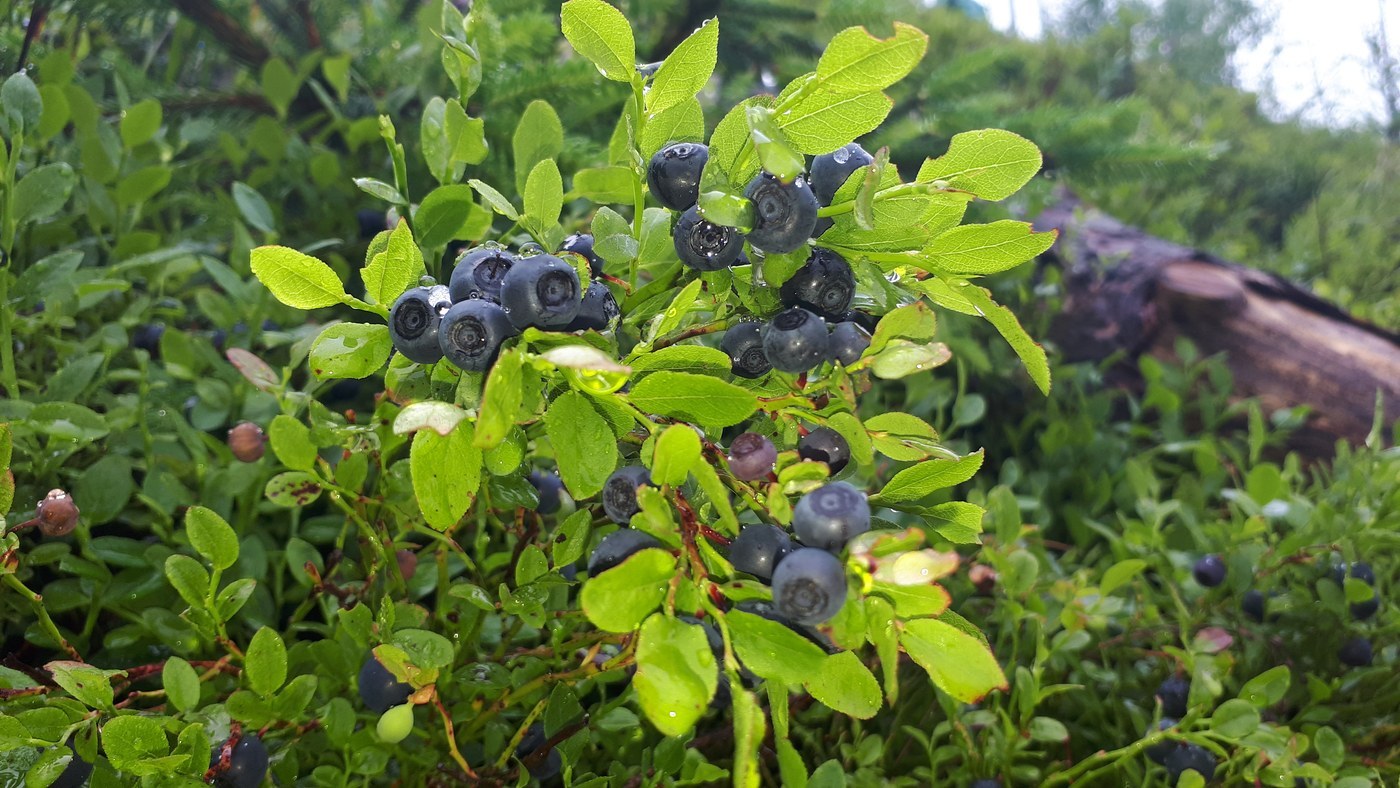
Bilberry (Vaccinium myrtillus) is a low, wiry, deciduous shrub of cool woodlands and heaths, grown ornamentally for its neat mound of small bright-green leaves, dainty pinkish urn-shaped flowers, and rich red autumn foliage. It rewards gardeners who can provide the acidic, moist, cool conditions it demands, making it a moderate-difficulty plant.
Light
Bilberry grows in full sun to partial shade, mirroring its natural habitat at woodland edges and open heathland. In cooler climates it takes full sun happily, producing the most compact growth and best autumn color. Where summers are hot, dappled or partial shade protects the shallow roots and foliage from scorching and drying.
Water
Keep the soil consistently, evenly moist; Bilberry dislikes drying out and its fine, shallow root system suffers quickly under drought. Use soft rainwater rather than hard tap water, which is alkaline and raises soil pH over time. Mulch generously to lock in moisture and keep roots cool, but avoid waterlogging, aiming for the moist-but-drained conditions of a woodland floor.
Soil & Potting
This is a strict acid-lover requiring a lime-free, humus-rich, moisture-retentive soil with a low pH, ideally in the 4.5-5.5 range. Amend beds heavily with ericaceous (acidic) compost, leaf mould, and pine needles. It will not thrive in neutral or alkaline ground. In containers, use a dedicated ericaceous potting mix and top with an acidic mulch; container culture is often the easiest way to give it the right conditions.
Humidity & Temperature
Bilberry is very cold-hardy and adapted to cool, temperate and montane climates with reliable moisture. It struggles in hot, dry, or humid lowland heat. Cool summers and cold winters suit it best; a period of winter chill supports healthy spring growth. Provide a cool root run with mulch and shade in warmer regions.
Feeding
Feed sparingly with a fertilizer formulated for acid-loving (ericaceous) plants in spring. Avoid general-purpose or lime-containing feeds, which raise pH and harm the plant. A mulch of leaf mould or composted pine needles slowly feeds the shallow roots and maintains acidity. Overfeeding is more damaging than underfeeding for this naturally lean-soil shrub.
Propagation
Propagate by softwood or semi-ripe cuttings taken in summer and rooted in an acidic, free-draining mix under humid conditions; rooting can be slow. Layering low stems into acidic soil is a reliable low-effort method. Seed is possible but slow and needs a period of cold stratification. Established clumps also spread by underground rhizomes, and rooted offsets can be lifted and replanted.
Repotting / Pruning
Repot container plants every couple of years into fresh ericaceous mix, keeping the same acidic conditions. Bilberry needs little pruning; simply remove dead, damaged, or crossing wood in late winter and lightly trim to shape after growth. Older, congested plants can be rejuvenated by removing a portion of the oldest stems at the base to encourage fresh growth.
Common Problems & Pests
The most common failure is chlorosis, yellowing leaves with green veins, caused by alkaline soil or hard water locking up nutrients; correct with rainwater and ericaceous care. Vine weevil grubs can damage roots of container plants. Aphids may attack soft new shoots. In poorly drained soil, root rot sets in, while too-dry conditions cause leaf scorch and dieback. Botrytis and other fungal issues appear in stagnant, damp air, so ensure airflow.
Seasonal Care Tips
Plant in autumn or early spring into prepared acidic soil. Mulch each spring with ericaceous material and feed lightly. Water diligently through the growing season, never letting the plant dry out, and use rainwater. Enjoy flowers in late spring and fiery foliage in autumn. In winter the shrub is dormant and leafless; renew mulch and carry out any light pruning while dormant.
Frequently asked questions
Why are my Bilberry leaves turning yellow?
Yellowing leaves with green veins usually signal chlorosis from soil that is too alkaline or from watering with hard tap water. Switch to rainwater and use ericaceous compost and feed to restore low pH.
Can I grow Bilberry in a pot?
Yes, and it is often the easiest approach. Use a dedicated ericaceous (acidic) potting mix, keep it evenly moist with rainwater, and mulch the surface to hold moisture and acidity.
What soil does Bilberry need?
It requires a lime-free, humus-rich, moisture-retentive acidic soil with a pH around 4.5-5.5. It will not thrive in neutral or alkaline ground.
How much pruning does it need?
Very little. Just remove dead, damaged, or crossing stems in late winter and lightly shape it. Take out some of the oldest wood on congested plants to encourage fresh growth.