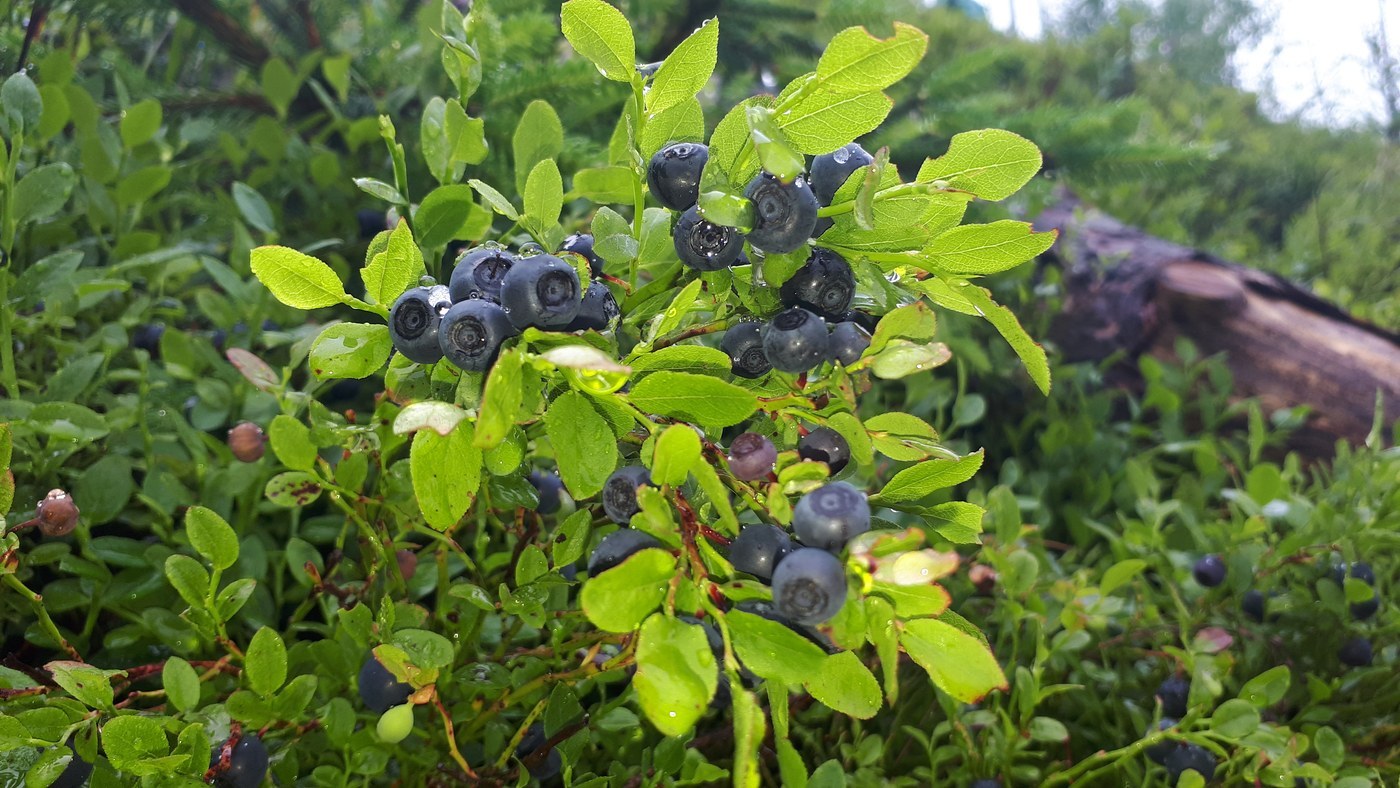
Bilberry
Vaccinium myrtillus
A low-growing wild relative of the blueberry, native to northern European heaths and woodlands. It forms a small deciduous shrub bearing dark blue-black berries on distinctive angular green stems.
- Light
- Full sun to partial shade
- Water
- Keep evenly moist; dislikes drying out
- Difficulty
- Moderate
Got a plant like this?
Identify any plant from a photo, free.
Overview
Bilberry is a small deciduous shrub of the heath family, widespread across the moors, heaths, and acidic woodlands of northern and central Europe. It is a close relative of the cultivated blueberry but grows wild rather than being farmed at scale.
The berries are smaller and darker than blueberries, with flesh that is purple all the way through rather than pale green, and they famously stain fingers from their deep pigment.
It is a characteristic shrub of upland heaths, spreading slowly by rhizomes to form low ground cover.
How to identify it
- Low, much-branched deciduous shrub, usually 15 to 60 cm (6 to 24 in) tall
- Distinctly angular, green, slightly winged stems
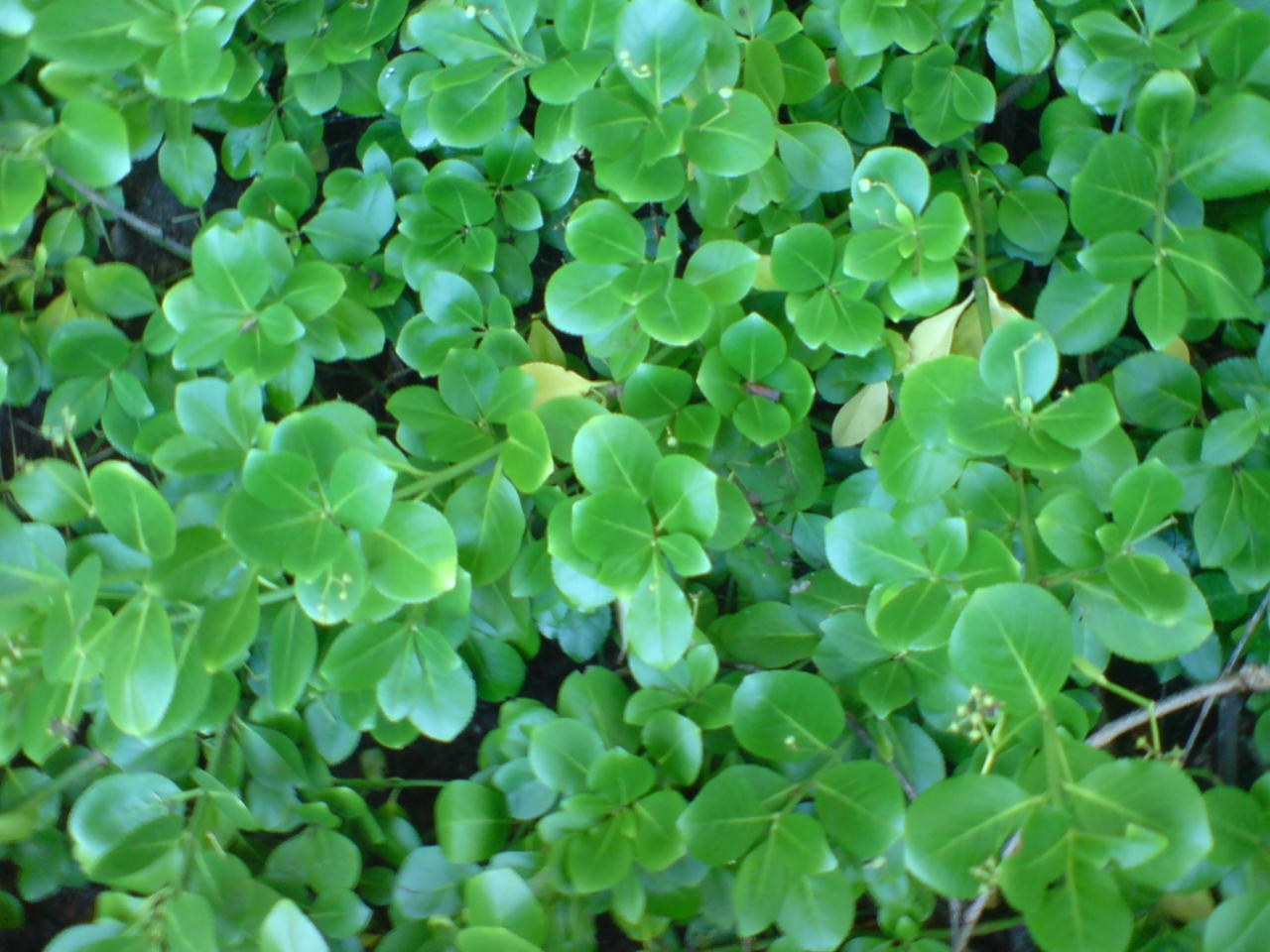
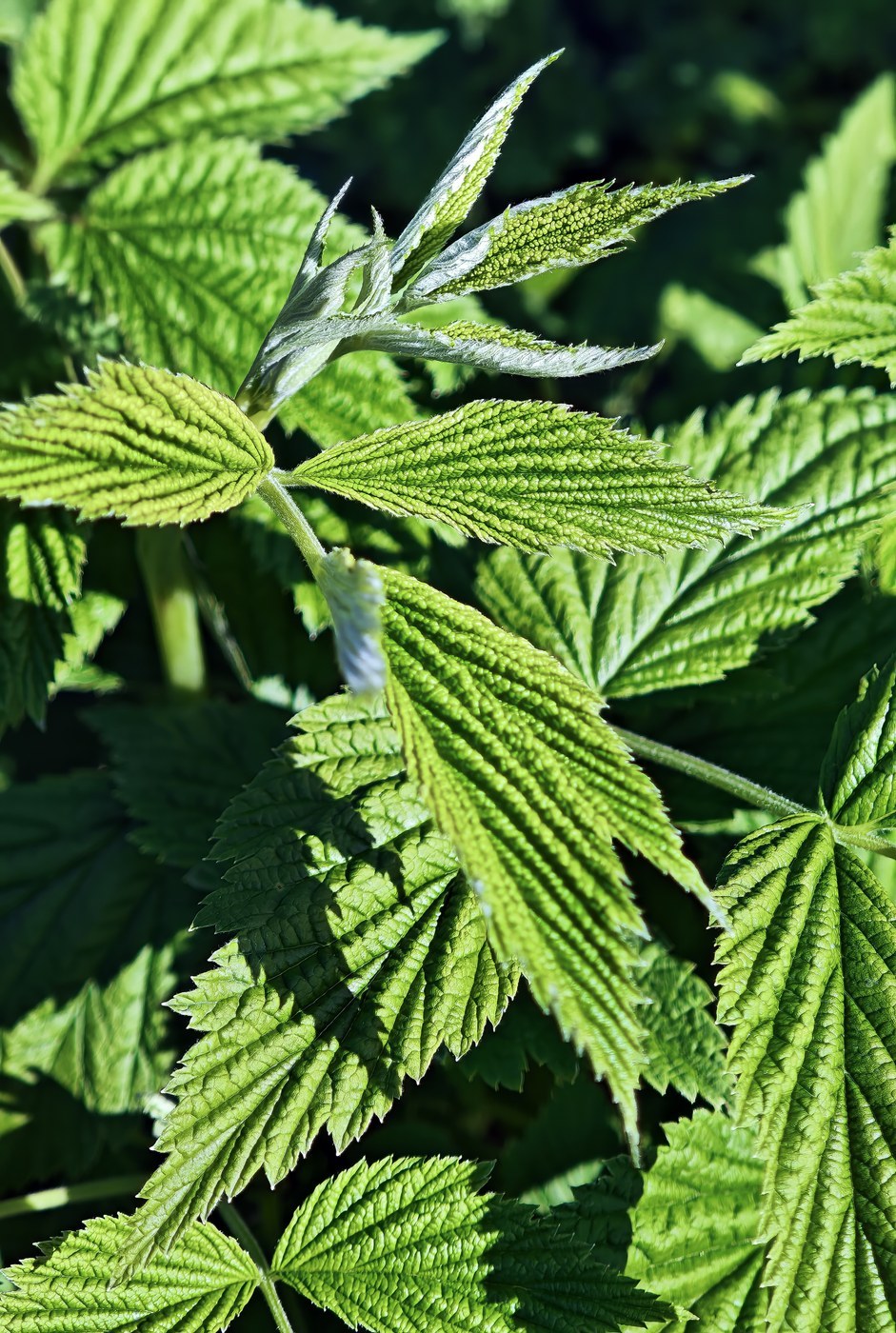
- Small, bright green, finely toothed oval leaves
- Solitary, urn-shaped, greenish-pink nodding flowers
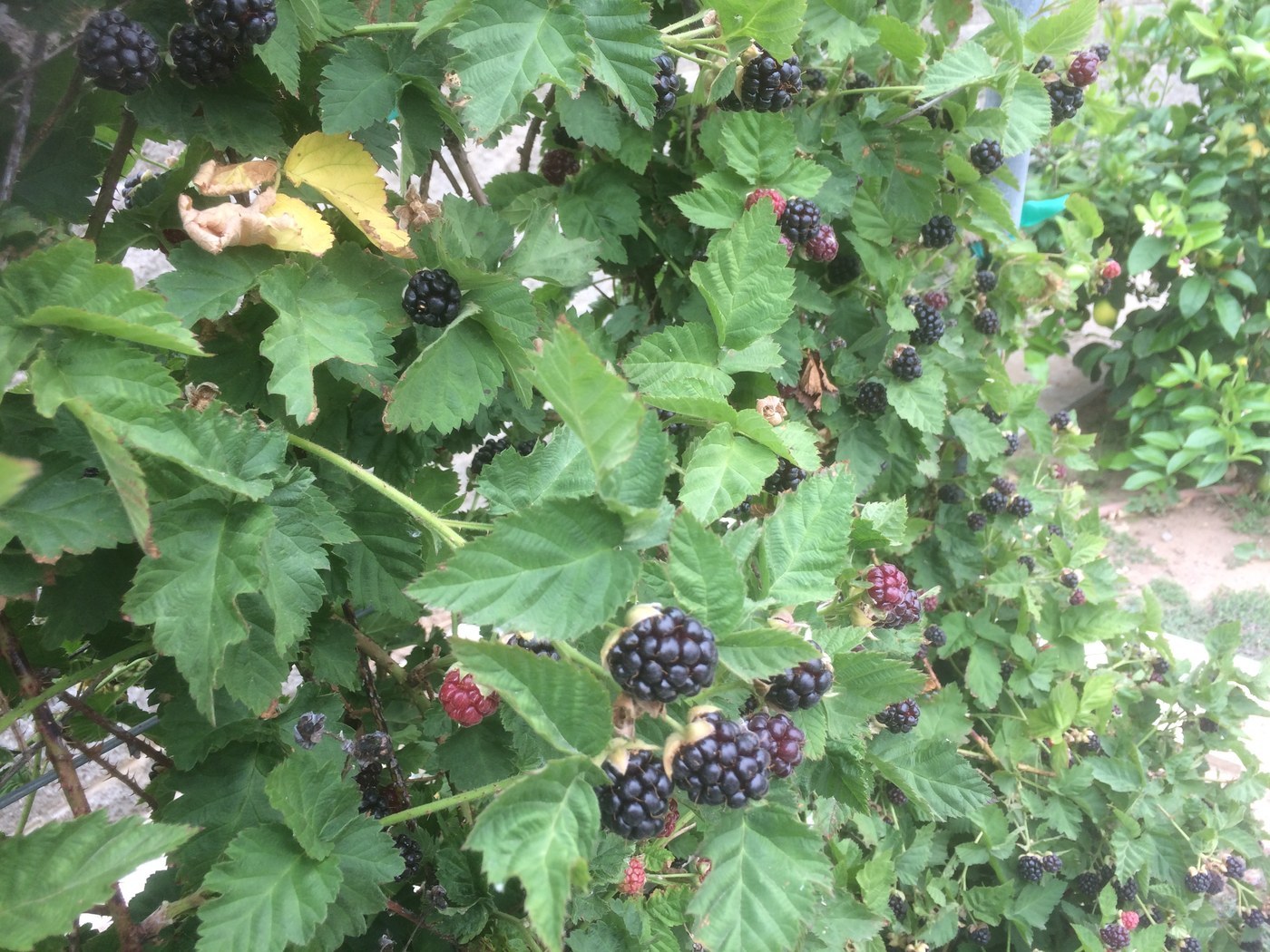
- Single dark blue-black berries with a slight bloom, borne singly (not in clusters), with deep purple flesh and juice
Care & growing
Light: Full sun to light woodland shade.
Water: Keep soil consistently moist; it grows naturally in cool, damp uplands and dislikes drought.
Soil: Requires moist, very acidic, peaty or sandy soil (pH around 4.0 to 5.5) rich in organic matter.
Temperature: Hardy and cold-loving; suited to cool temperate and montane climates and very frost-tolerant.
Feeding: Little needed; if any, use a light ericaceous (acid) fertilizer.
Propagation: Slow and difficult; by seed, division, or cuttings. Wild stands are usually self-maintaining via spreading rhizomes.
Habitat & origin
Native across northern and central Europe and into northern Asia, from the British Isles to Scandinavia and the mountains of central and southern Europe.
It is a characteristic plant of acidic heaths, moorlands, coniferous and birch woodland, and montane slopes, often forming a dense understory ground cover. It is slow-growing and rarely cultivated commercially.
Frequently asked questions
How is bilberry different from blueberry?
Bilberries are smaller, grow singly on low wild bushes, and have dark purple flesh throughout, whereas cultivated blueberries are larger, grow in clusters, and have pale flesh.
Why do bilberries stain so much?
Their flesh and juice are packed with deep-purple pigments, which readily stain skin and clothing.
Can bilberries be farmed like blueberries?
Not easily. They are slow-growing and demand cool, acidic, moist conditions, which makes large-scale cultivation difficult.
What kind of stems does bilberry have?
A reliable field mark is its distinctly angular, green, slightly winged stems, which set it apart from the rounder stems of blueberry.
Bilberry guides
In-depth guides for identifying, growing, and caring for Bilberry.
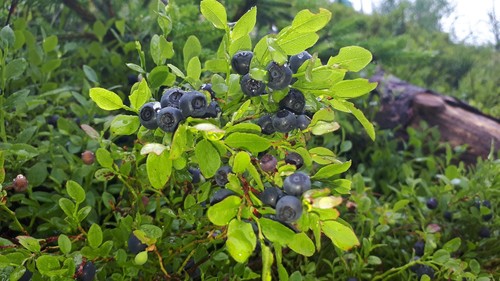
How to Care for Bilberry
Grow Bilberry (Vaccinium myrtillus), a low, acid-loving deciduous shrub with wiry green stems, dainty urn-shaped flowers, and fine autumn color.
Bilberry Identification Guide
Identify bilberry (Vaccinium myrtillus) by its low angular green stems, small finely toothed deciduous leaves, solitary pink globe flowers, and single dark-blue berries that stain the fingers purple.