
How to Care for Bishop's Cap Cactus
Grow the sculptural, spineless Bishop's Cap cactus with bright light, a gritty mix, and careful sparing watering.
Read the full Bishop's Cap Cactus encyclopedia entry →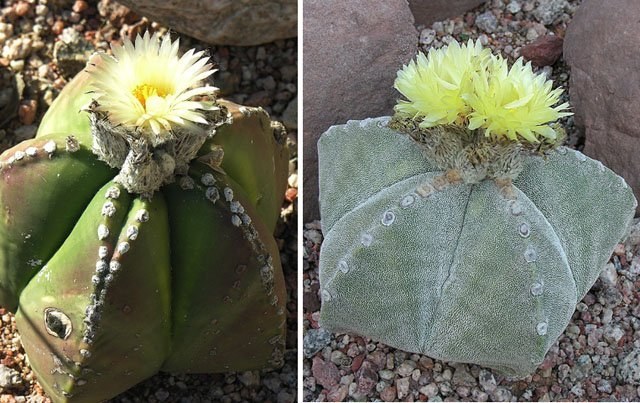
Bishop's Cap cactus (Astrophytum myriostigma) is a slow-growing, spineless desert cactus prized for its geometric star-shaped body, usually with five distinct ribs and a surface flecked with tiny white woolly scales. Its striking form and modest size make it a favorite specimen plant, though its watering demands call for a bit of care.
Light
Give Bishop's Cap bright light with some direct sun. A south- or east-facing windowsill indoors, or a spot with strong morning sun and light shade from harsh afternoon rays, keeps the body firm and well-colored. Too little light causes it to etiolate—stretching upward and losing its compact, star-like shape. If moving it into stronger sun, acclimate gradually to prevent scorching of the sensitive skin.
Water
Water sparingly and always let the mix dry out completely between waterings. During the warm growing season, soak the soil thoroughly, then wait until it is bone dry before watering again—typically every couple of weeks depending on heat and light. This cactus is extremely sensitive to overwatering, which quickly leads to rot. In winter dormancy, cut water back drastically to just a splash every few weeks, or withhold it almost entirely in cool conditions.
Soil & Potting
Use a very gritty, fast-draining cactus mix. Combine standard cactus soil with extra coarse material such as pumice, perlite, or coarse sand so water races through and never lingers around the roots. Plant in a pot with ample drainage holes; unglazed terracotta is ideal because it wicks away excess moisture. A slightly snug pot suits this slow grower.
Humidity & Temperature
Bishop's Cap prefers warm, dry air and low humidity. Ordinary room temperatures suit it in the growing season. To encourage flowering and mimic its natural cycle, give it a cool, dry winter rest around 45 to 55 F. Protect it from frost and from cold, damp conditions, which invite rot. Good ventilation is always beneficial.
Feeding
Feed lightly during the growing season only. A diluted, low-nitrogen cactus fertilizer applied once a month or so from spring through summer supports slow, healthy growth and blooming. Do not feed in fall and winter while the plant is resting. Over-fertilizing pushes soft, weak growth and can disfigure this naturally compact cactus.
Propagation
Astrophytum myriostigma is almost always propagated from seed, since it rarely produces offsets. Sow fresh seed on the surface of a gritty, sterile mix, keep it warm and humid, and be patient—germination and early growth are slow. Some growers graft seedlings onto faster rootstock to speed development. Handle the sensitive seedlings gently and gradually reduce humidity as they establish.
Repotting / Pruning
Repot infrequently, roughly every two to three years or when the plant clearly outgrows its pot, always doing so when the soil is dry and the plant is in growth. Handle carefully and let it settle for several days before the first watering to allow any disturbed roots to heal. This cactus is not pruned; simply remove any shriveled or damaged tissue to keep it healthy.
Common Problems & Pests
The overwhelming risk is rot from overwatering, poor drainage, or cold, damp conditions—watch for a mushy, discolored, or collapsing base. Mealybugs may hide in the ribs and woolly flecks, and spider mites or scale can appear in dry indoor air; treat promptly with dabs of alcohol or an appropriate control. Sudden strong sun can scorch the skin, leaving permanent pale patches, so increase light gradually.
Seasonal Care Tips
In spring and summer, provide bright light, warmth, thorough-but-infrequent watering, and light monthly feeding to fuel growth and the yellow daytime flowers that emerge from the crown. As autumn arrives, taper off water and stop feeding. Overwinter the plant cool and dry to trigger next year's blooms, resuming normal care only when active growth restarts in spring.
Frequently asked questions
How often should I water a Bishop's Cap cactus?
Only when the soil has dried out completely. In the warm growing season that often means a thorough soak every two weeks or so, adjusting for heat and light. In winter, cut back to almost nothing. When in doubt, wait—this cactus tolerates drought far better than excess moisture.
Why is my Bishop's Cap turning soft or brown at the base?
A mushy, discolored base is the classic sign of rot from overwatering or poor drainage. Let the plant dry out, check the roots, and if rot is limited you may be able to cut away affected tissue and let it callus. Prevent it with a gritty mix, a well-draining pot, and sparing watering.
Why is my cactus stretching and losing its star shape?
Stretching, or etiolation, means it is not getting enough light. Move it to a brighter spot with some direct sun to keep the body compact and well-ribbed. Introduce stronger light gradually so the sensitive skin doesn't scorch.
How do I get my Bishop's Cap to flower?
Give it plenty of bright light in the growing season and a cool, dry winter rest around 45 to 55 F. This seasonal cycle, combined with maturity, encourages the yellow daytime blooms to appear from the crown in spring and summer.