
How to Care for Bitterroot
A challenging alpine succulent bearing showy pink blooms, demanding gritty drainage and a dry summer rest.
Read the full Bitterroot encyclopedia entry →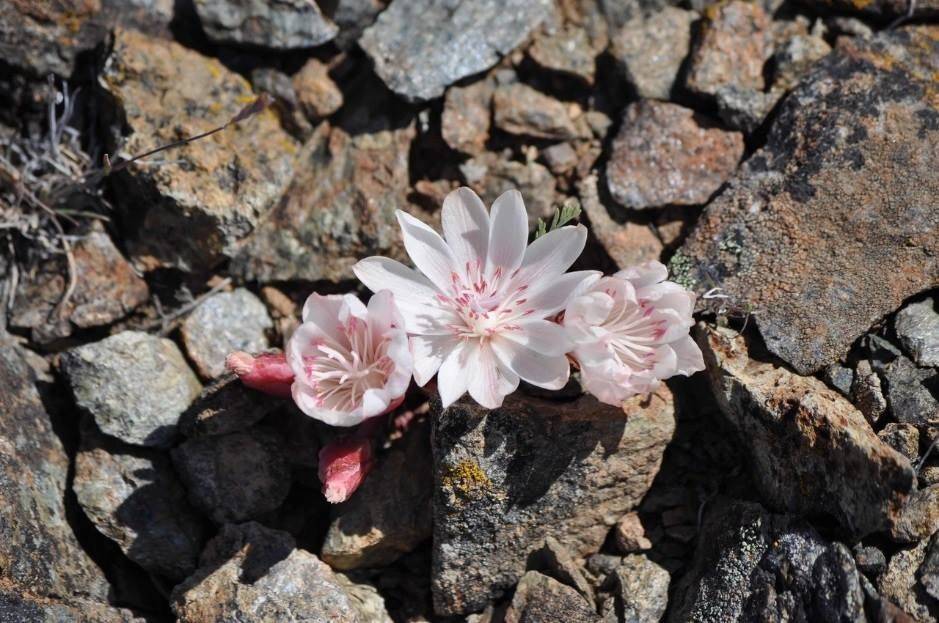
Bitterroot (Lewisia rediviva) is a low-growing, deciduous alpine succulent from western North America, famous for its large, satiny pink flowers that open above a ground-hugging rosette. It is rewarding but exacting, demanding sharp drainage and a dry summer dormancy that trips up many growers.
Light
Give bitterroot full sun. In its native high country it grows fully exposed, and strong light produces compact rosettes and the best flowering. In very hot lowland climates a touch of afternoon shade helps, but too little light leads to weak, stretched growth and few blooms.
Water
Water is the make-or-break factor. Provide low, careful watering during active growth in spring, letting the gritty soil dry between drinks. As the plant enters summer dormancy the leaves die back and it needs to stay dry; watering a dormant, resting rootstock is the fastest way to rot it. Resume light water when growth returns in autumn.
Soil & Potting
Bitterroot demands extremely sharp drainage. Use a lean, gritty mix heavy on coarse sand, grit, and pumice with only a little organic matter. A deep pot or a raised scree bed suits its long taproot, and a gravel collar around the crown keeps the neck dry. Standing moisture around the crown is fatal.
Humidity & Temperature
As an alpine, it prefers cool, airy conditions and dislikes humid stagnant air. It is very cold-hardy and appreciates a cold winter rest, but resents combined heat and moisture. Grow it in an open, breezy spot; an alpine house or covered scree helps in wet-summer climates.
Feeding
Bitterroot is adapted to lean soils and needs very little feeding. A weak, dilute feed once or twice during spring growth is plenty. Rich soil and heavy fertilizer produce soft growth prone to rot and can shorten the plant's life. Keep it hungry.
Propagation
Propagate from seed, which typically needs a period of cold, moist stratification to germinate; sow in autumn and expose to winter cold, or refrigerate moist seed. Sow into a gritty mix and keep seedlings on the dry side. Established plants may occasionally be divided in dormancy, but they resent root disturbance, so handle the taproot carefully.
Repotting / Pruning
Repot sparingly, ideally during summer dormancy, taking care not to break the long taproot. Little pruning is needed beyond removing spent flower stalks and cleaning away withered leaves as the plant goes dormant. Always keep the crown proud of the soil surface and surrounded by grit.
Common Problems & Pests
Rot is the number-one killer, caused by moisture around the crown or watering during dormancy; sharp drainage and a dry rest prevent it. Aphids may attack flower buds, and slugs can nibble the fleshy rosette. Provide airflow to head off fungal problems, and never let the plant sit in wet, cold soil.
Seasonal Care Tips
The rhythm of the year is everything for bitterroot. It leafs out and flowers in spring, then the foliage withers as it enters a dry summer dormancy that must be respected with no water. Growth resumes in autumn, followed by a cold winter rest. Match watering to this cycle and it will return reliably.
Frequently asked questions
Why did my bitterroot rot?
Rot comes from moisture around the crown or watering during summer dormancy. Grow it in a very gritty, fast-draining mix, keep the crown surrounded by grit and above the soil line, and stop watering once the leaves die back for summer.
Do I really stop watering in summer?
Yes. Bitterroot naturally goes dormant and dry in summer; its foliage withers and the rootstock rests. Keeping it dry during this period is essential. Resume light watering only when new growth appears in autumn.
What soil does bitterroot need?
It needs extremely sharp drainage. Use a lean, gritty mix of coarse sand, grit, and pumice with minimal organic matter, in a deep pot or raised scree bed to accommodate its taproot and keep the crown dry.
Why is bitterroot considered hard to grow?
Its demands are unforgiving: full sun, gritty fast-draining soil, careful low watering, and a strictly dry summer dormancy. Getting the watering cycle wrong, especially watering a dormant plant, quickly kills it, which is why it rates as difficult.