How to Care for Black Cherry
Grow Black Cherry (Prunus serotina), a fast, adaptable native shade tree with fragrant spring flowers and rich fall color.
Read the full Black Cherry encyclopedia entry →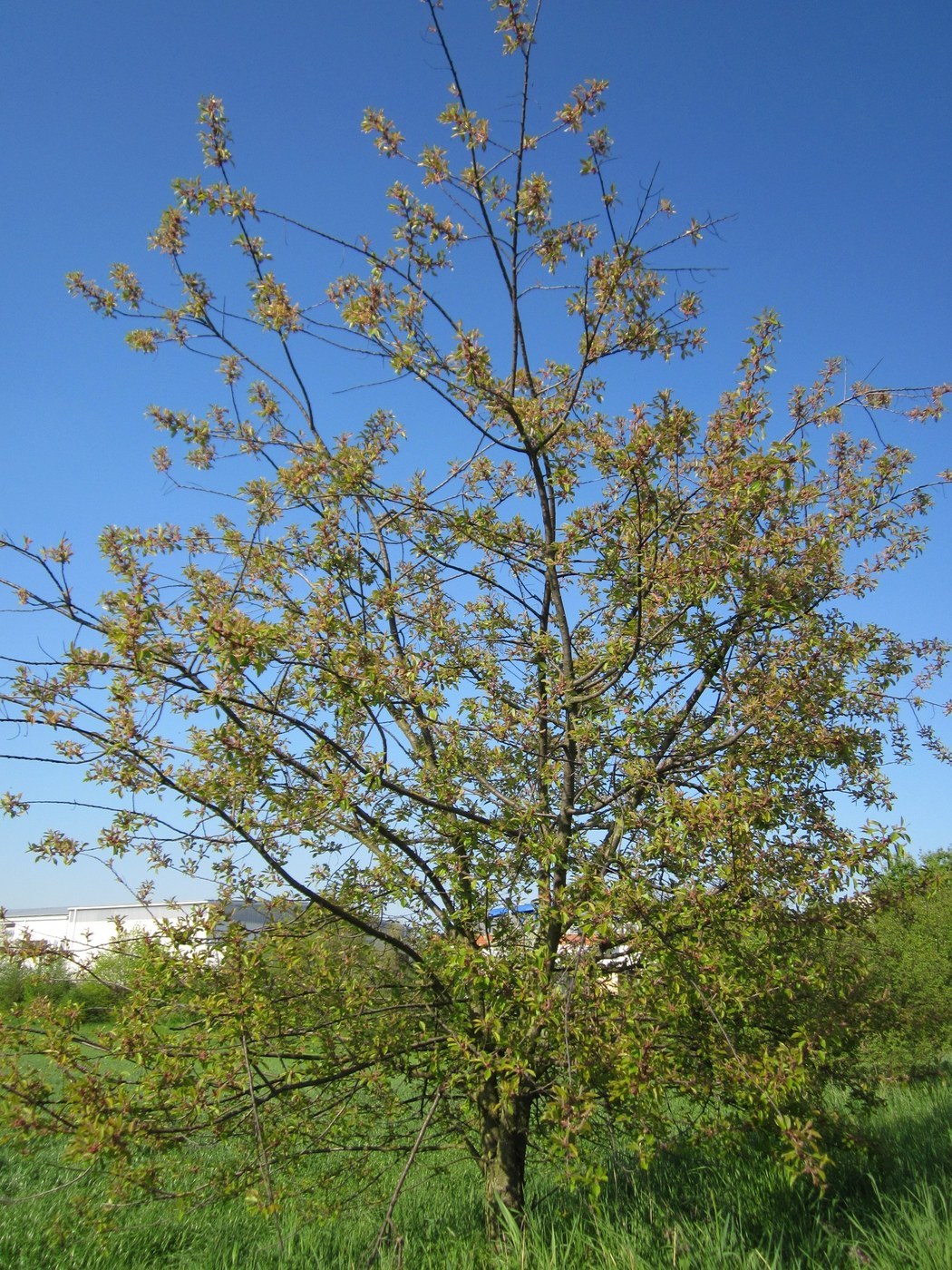
Black Cherry (Prunus serotina) is a vigorous, fast-growing deciduous tree prized as a landscape and shade specimen for its arching racemes of white spring flowers, glossy foliage, and warm autumn tones. It is an easy, low-maintenance tree that thrives across a wide range of conditions once established.
Light
Give Black Cherry full sun to part shade. It flowers most heavily and develops the strongest form in full sun, but young trees tolerate light dappled shade, especially as understory saplings. In deep shade growth becomes lanky and sparse, so choose an open site for the best canopy.
Water
Water is moderate. Keep young trees evenly watered through their first two or three seasons to establish a deep root system, giving a slow deep soak weekly during dry spells rather than frequent light sprinklings. Once established the tree is notably drought-tolerant and rarely needs supplemental irrigation except in prolonged drought. It insists on well-drained soil and dislikes standing water.
Soil & Potting
Black Cherry is unfussy about soil, growing in sandy, loamy, or moderately clay soils across a broad pH range from slightly acidic to neutral. The key requirement is good drainage. It naturalizes readily in disturbed ground, so it tolerates poor and rocky sites better than most ornamental trees. Amend heavy clay with organic matter and coarse grit at planting to improve percolation.
Humidity & Temperature
A hardy temperate tree, Black Cherry is comfortable roughly in USDA zones 3 through 9 and shrugs off cold winters and hot summers alike. It has no special humidity needs and adapts to both humid eastern climates and drier continental conditions.
Feeding
Established trees seldom need feeding and grow rapidly on their own. For young trees in poor soil, a light application of balanced slow-release fertilizer in early spring supports canopy growth. Avoid heavy nitrogen, which encourages weak, fast growth prone to breakage. A yearly mulch of compost over the root zone is usually all that is required.
Propagation
Propagate primarily from seed, which needs a period of cold, moist stratification (about 90 to 120 days near freezing) to break dormancy before spring sowing. Clean seed of pulp and sow in well-drained media. Softwood cuttings can be attempted in early summer with rooting hormone under mist, though success is variable; root suckers can also be lifted from established trees.
Repotting / Pruning
Black Cherry is a landscape tree rather than a container plant. Prune in late winter while dormant to remove dead, damaged, or crossing branches and to establish a strong central leader with well-spaced scaffolds. Because the wood can be brittle, corrective pruning of narrow branch angles when young prevents storm breakage later. Avoid heavy summer pruning.
Common Problems & Pests
Black Cherry hosts a number of pests and diseases. Eastern tent caterpillars build silken nests in branch forks in spring and can defoliate limbs; prune out and destroy nests early. Aphids, borers, and scale may appear. Black knot fungus causes distinctive rough black swellings on twigs and branches, best managed by pruning out galls well below the affected area during dormancy. Leaf spot and powdery mildew occur in humid conditions but rarely threaten tree health. Good air circulation and prompt cleanup of fallen debris reduce disease pressure.
Seasonal Care Tips
In spring watch for tent caterpillar nests and enjoy the fragrant flowers. Summer is largely maintenance-free for established trees; water young ones during drought. In autumn rake and remove fallen leaves and fruit to limit disease carryover and reduce self-seeding. Winter is the time for structural pruning and removing any black knot galls while they are easy to spot on bare branches.
Frequently asked questions
How fast does Black Cherry grow?
It is a fast grower, often adding one to two feet or more per year when young in full sun and reasonable soil, quickly forming a shade canopy.
Why are there webby nests in my tree in spring?
Those are eastern tent caterpillar nests, common on Black Cherry. Prune them out or physically remove them early before the caterpillars spread and defoliate branches.
What are the black swellings on the branches?
That is black knot, a fungal disease. Prune out the galls several inches below the swelling during dormancy and dispose of the wood away from the tree to slow its spread.
Does Black Cherry need full sun?
It performs best in full sun, which yields heavy flowering and a dense canopy, but young trees tolerate part shade. Deep shade produces thin, leggy growth.
Black Cherry identified by the community
Recent Black Cherry specimens identified with Plant Identifier.