How to Care for Black Currant
Grow black currant (Ribes nigrum), a hardy deciduous shrub with aromatic leaves and dark berries, thriving in sun and moist, rich soil.
Read the full Black Currant encyclopedia entry →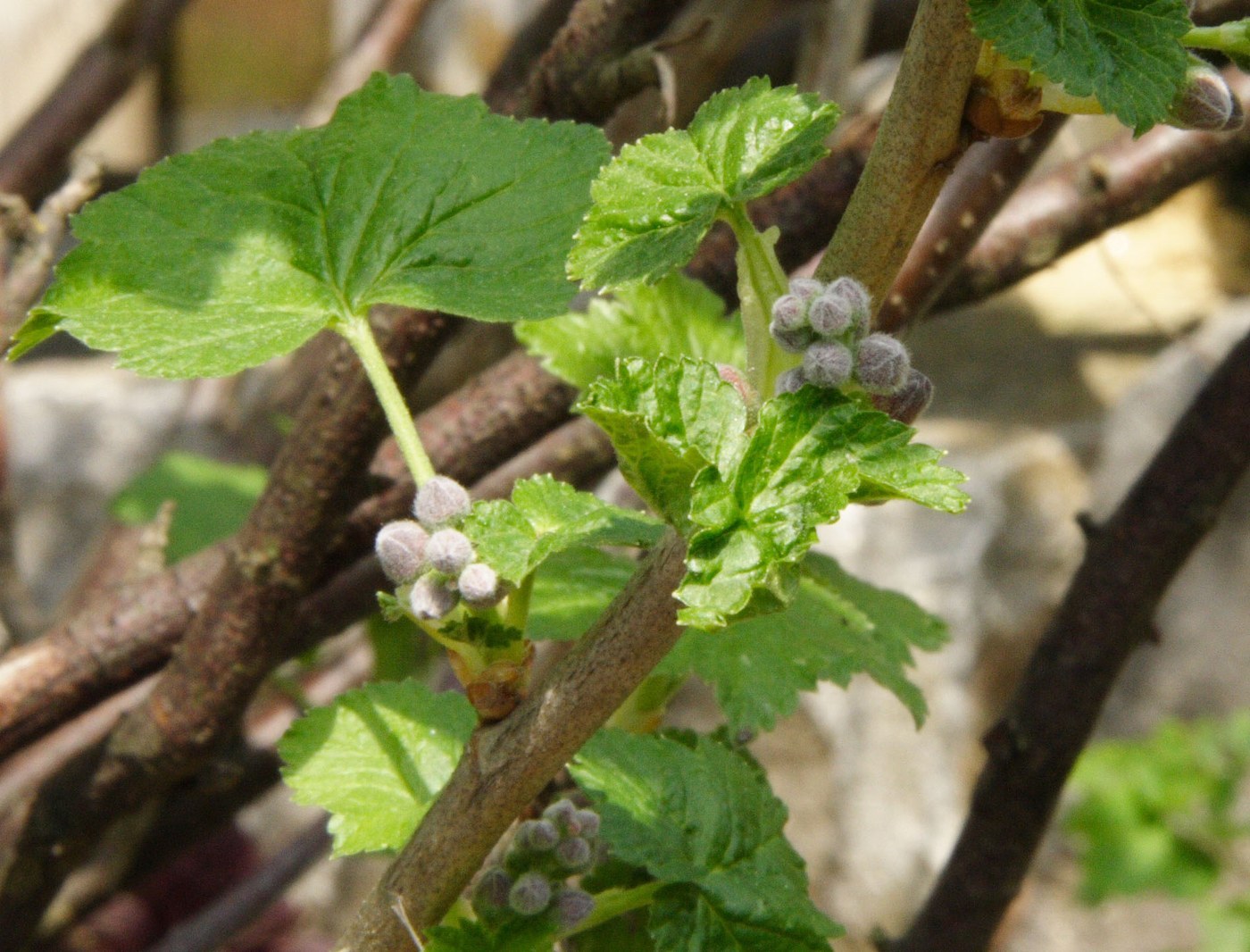
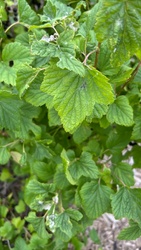
Black currant (Ribes nigrum) is a hardy, cool-climate deciduous shrub with aromatic lobed leaves, drooping clusters of small spring flowers, and dark berries that ripen in summer. It is an easy, productive garden shrub for temperate regions.
Light
Black currant grows and crops best in full sun, though it tolerates light or partial shade better than many berry shrubs. A sunny, open position with some shelter from strong wind gives the fullest growth and the heaviest set of berries. In very hot climates a little afternoon shade helps.
Water
Provide regular water and keep the soil consistently moist, especially from flowering through fruit development, as this shrub is a heavy drinker with shallow roots. Do not let the ground dry out during dry spells or the crop will suffer. Mulching helps retain moisture and keeps the shallow roots cool and evenly watered.
Soil & Potting
Black currant prefers a rich, moisture-retentive soil with plenty of organic matter, and it handles heavier ground and slightly acidic to neutral pH well. Dig in compost or well-rotted manure before planting. It can be grown in a large container with a loam-based mix, but keep it well watered since pots dry quickly.
Humidity & Temperature
This is a cold-hardy shrub that actually needs a spell of winter chill to fruit well and is very tolerant of frost. It prefers cool to temperate summers and can struggle in prolonged high heat. Ambient humidity is not a concern; good airflow between plants is more important to keep foliage dry.
Feeding
Black currant is a hungry plant that responds to generous feeding. Apply a mulch of well-rotted manure or compost each spring and a balanced or potassium-rich fertilizer to support flowering and fruiting. Adequate nitrogen keeps the young wood growing vigorously, since the best crops come from one-year-old stems.
Propagation
It propagates very easily from hardwood cuttings taken in late autumn: cut pencil-thick lengths of the current season's wood, insert them deeply into open ground or a nursery bed leaving a couple of buds exposed, and they will root over winter and spring. This reliability makes it one of the simplest shrubs to multiply.
Repotting / Pruning
Pruning is central to a productive bush because black currant fruits best on wood grown the previous year. In winter, remove about a quarter to a third of the oldest, darkest stems at the base each year to encourage fresh young growth. On a newly planted bush, cut all stems low to build a strong framework. Refresh container plants and their compost every couple of years.
Common Problems & Pests
Watch for aphids, which curl and distort new leaves, and for currant blister that reddens and puckers the foliage. Big bud mite swells buds abnormally and can spread a debilitating virus, so remove and dispose of affected buds. Fungal issues like powdery mildew and leaf spot appear in crowded, damp conditions; improve air circulation with good pruning and spacing. Birds are keen on the ripening fruit, so netting protects the crop.
Seasonal Care Tips
Plant bare-root bushes in the dormant season from late autumn to early spring. Feed and mulch in early spring, and water steadily through flowering and fruiting. Harvest the berry clusters in mid to late summer. Once the leaves drop in autumn, carry out the annual renewal pruning to set up next year's fruiting wood.
Frequently asked questions
How should I prune a black currant bush?
Prune in winter by removing about a quarter to a third of the oldest, darkest stems at the base each year. Black currant fruits best on young, one-year-old wood, so this renewal keeps it productive.
How much water does black currant need?
A lot. It is a shallow-rooted, thirsty shrub that needs consistently moist soil, especially from flowering through fruiting. Mulch heavily and never let it dry out during dry spells.
Can I grow black currant in a container?
Yes, in a large pot with a loam-based mix. The main challenge is moisture, since containers dry quickly and this shrub demands steady water, so check and water it frequently.
How do I propagate black currant?
It roots very easily from hardwood cuttings. In late autumn, take pencil-thick lengths of that year's wood and push them deep into open ground, leaving a couple of buds showing; they root over winter.
Black Currant identified by the community
Recent Black Currant specimens identified with Plant Identifier.