Black Currant
Ribes nigrum
An aromatic deciduous shrub in the genus Ribes, grown in gardens for its dark purple-black berries. Its strongly scented foliage and upright, thornless habit make it easy to recognize.
- Light
- Full sun
- Water
- Regular; keep soil moist
- Difficulty
- Easy
Got a plant like this?
Identify any plant from a photo, free.
Overview
The black currant is a vigorous deciduous shrub in the genus Ribes, instantly recognizable by the strong, musky scent of its foliage. It is a fruiting shrub grown in gardens.
Unlike red currants, blackcurrants fruit mainly on the previous year's wood, so they are pruned to encourage plenty of new growth. Bushes reach about 1.5-1.8 m.
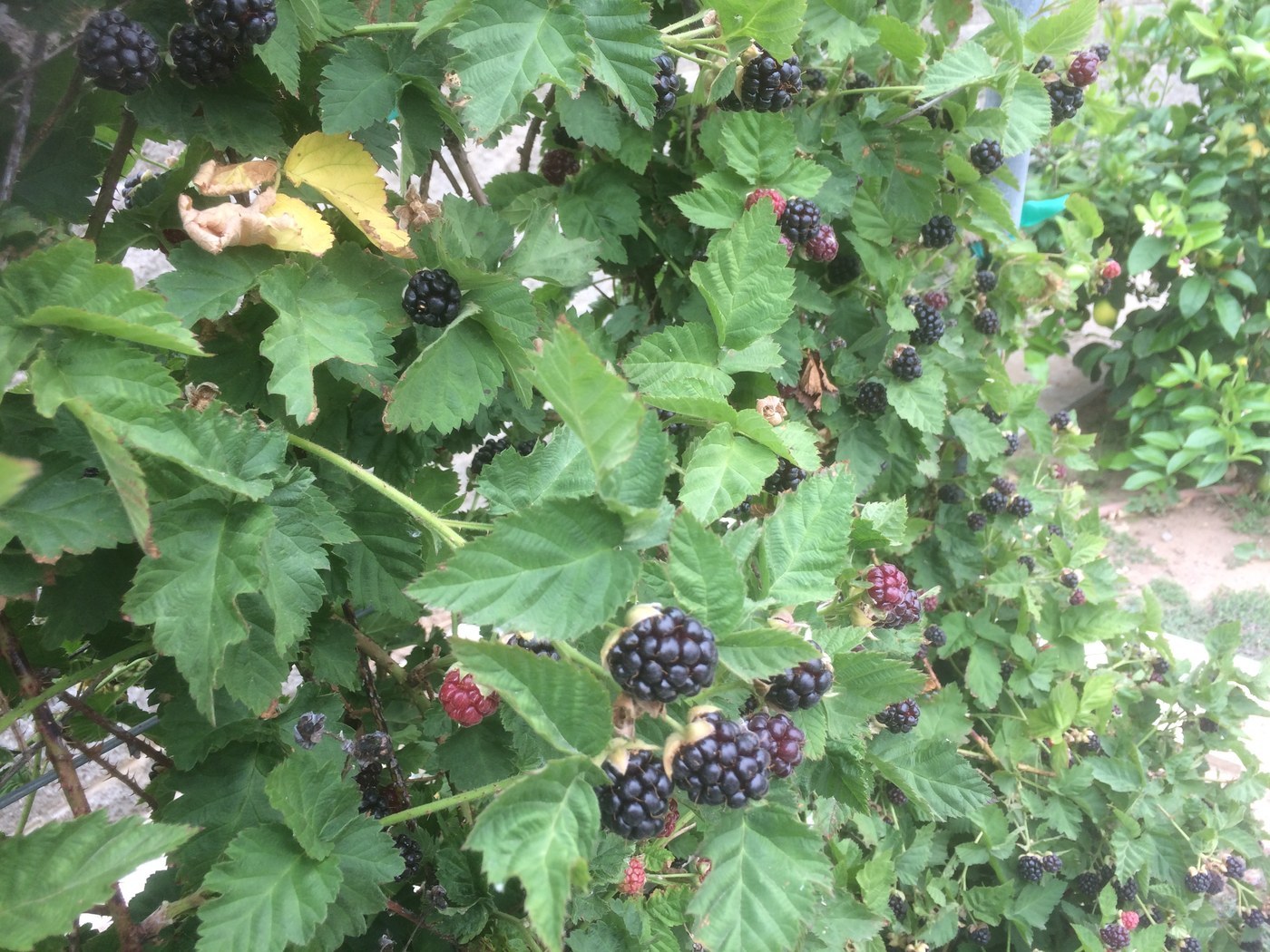
The berries are round, glossy, and very dark purple-black, borne in loose clusters.
How to identify it
A bushy, thornless shrub whose crushed leaves give off a pungent, resinous smell.
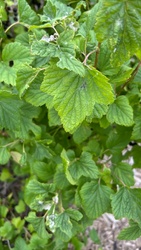
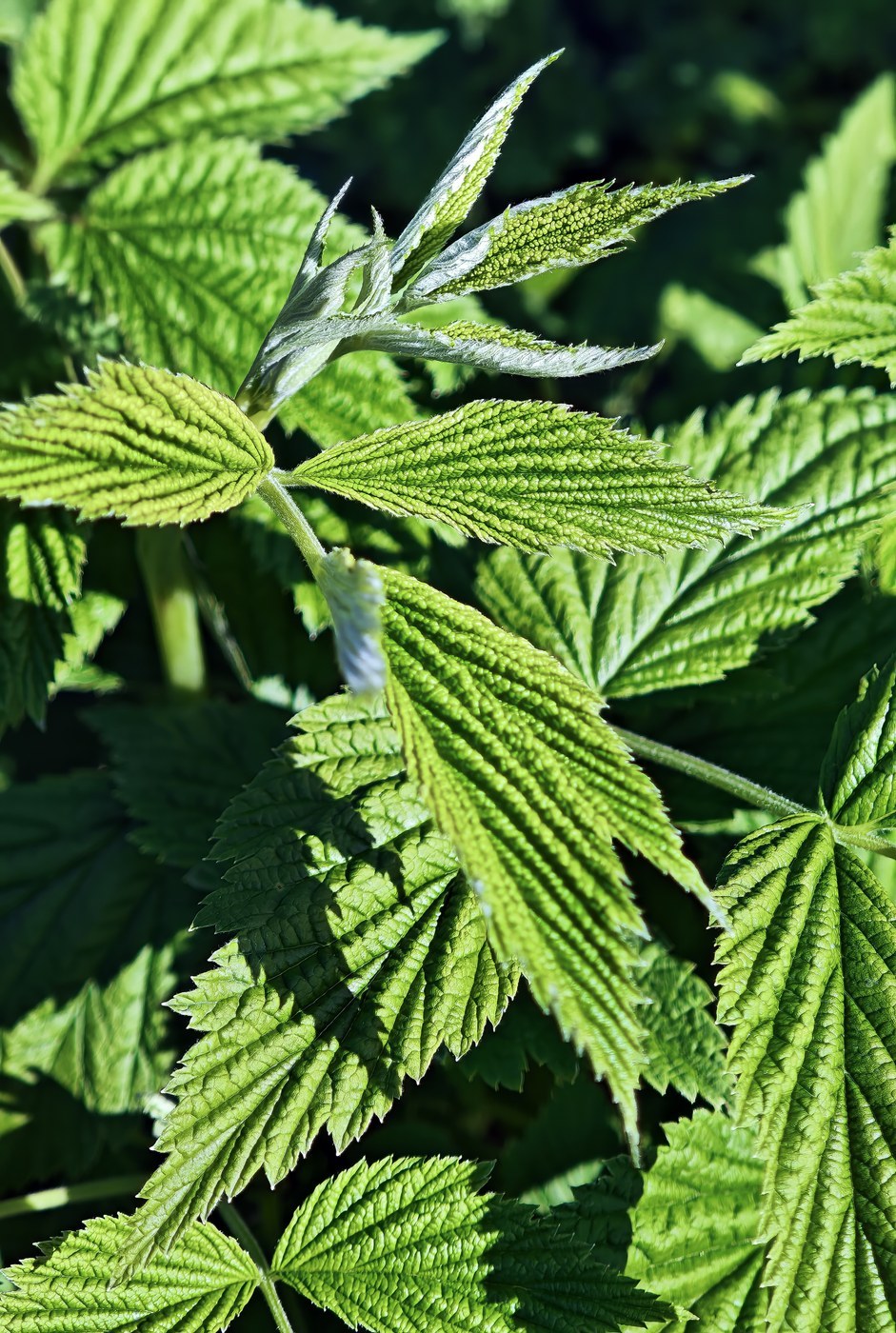
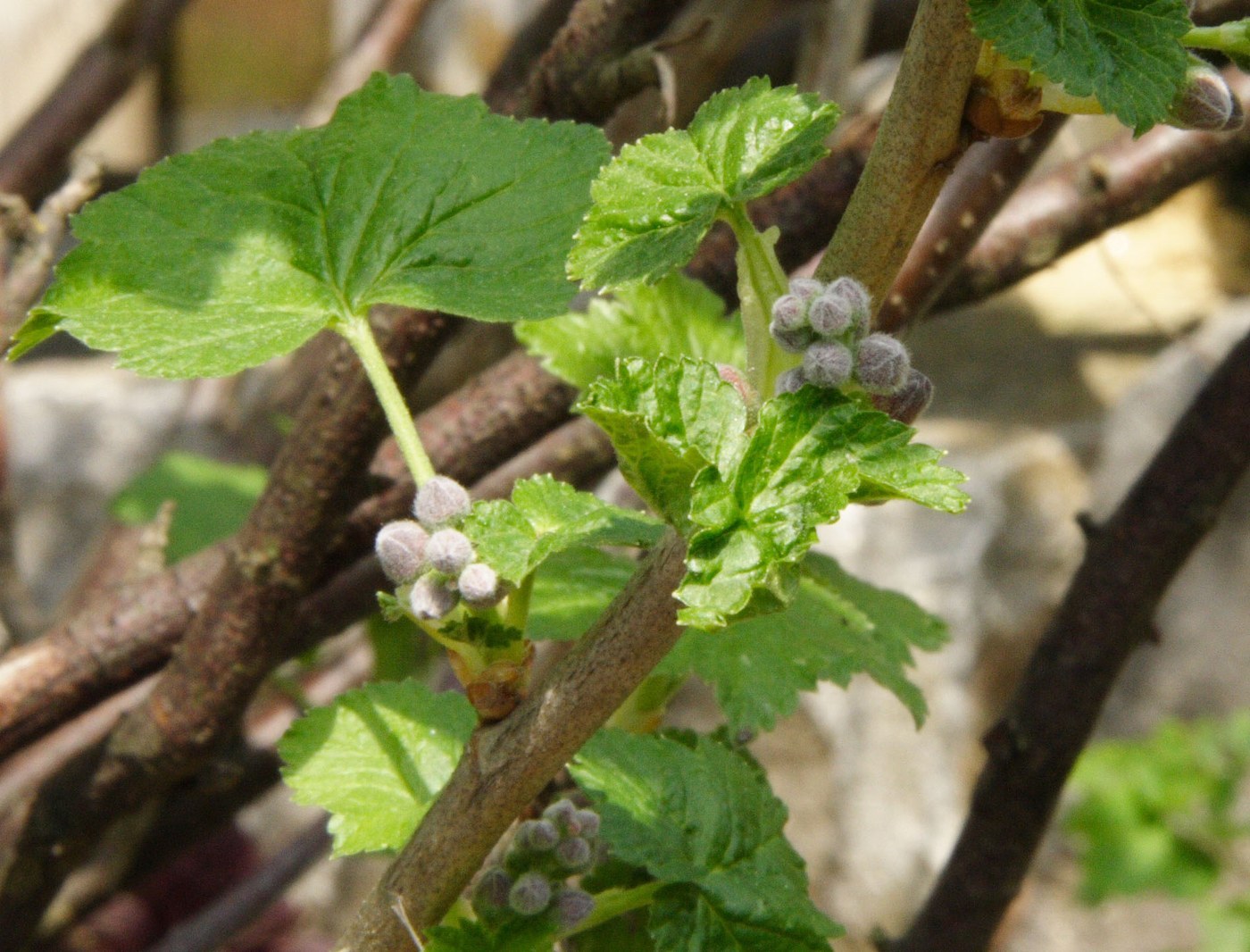
- Leaves: Palmate, 3- to 5-lobed, 3-8 cm, strongly aromatic when bruised
- Stems: Thornless, upright, producing many shoots from the base
- Flowers: Small, greenish to dull reddish, bell-shaped, in drooping racemes
- Fruit: Round, glossy, very dark purple-black berries 1 cm wide, in loose clusters
- Size: 1.5-1.8 m tall and wide
Care & growing
Easy and productive given moisture and feeding.
- Light: Full sun for best growth
- Water: Needs steady moisture; water deeply in dry spells while fruiting
- Soil: Rich, moisture-retentive, slightly acidic soil; benefits from organic matter
- Temperature: Very hardy; requires a good winter chill to fruit
- Feeding: Hungry plants; apply nitrogen and potash in late winter, plus a mulch of manure
- Propagation: Hardwood cuttings root readily; prune out about a third of the oldest stems each winter to renew fruiting wood
Habitat & origin
Ribes nigrum is native to temperate central and northern Europe and across to northern Asia, growing wild in damp woodlands and along riverbanks.
It is widely cultivated in the UK, Poland, Russia and Scandinavia. It favors cool, moist climates with cold winters and is largely unknown as a crop in much of North America, partly due to historic disease-control bans.
Frequently asked questions
Why do blackcurrants smell so strong?
The leaves and buds contain aromatic resinous oils; the musky scent is characteristic of the plant.
Why were blackcurrants banned in the US?
They can host white pine blister rust, so cultivation was restricted last century. Many states have lifted bans and now grow resistant varieties.
How should I prune them?
Cut out roughly a third of the oldest, darkest stems at the base each winter to stimulate fruitful new wood.
Are they self-fertile?
Yes, most modern blackcurrant cultivars are self-fertile and crop well alone.
Black Currant guides
In-depth guides for identifying, growing, and caring for Black Currant.
How to Care for Black Currant
Grow black currant (Ribes nigrum), a hardy deciduous shrub with aromatic leaves and dark berries, thriving in sun and moist, rich soil.
Black Currant Identification Guide
Identify black currant (Ribes nigrum) by its strongly aromatic leaves with golden resin glands, thornless stems, and clusters of matte black berries.
Black Currant identified by the community
Real specimens identified with Plant Identifier.