
How to Care for Black Spruce
Grow Black Spruce (Picea mariana), a slow, cold-hardy northern conifer that thrives in full sun and damp, acidic, boggy ground.
Read the full Black Spruce encyclopedia entry →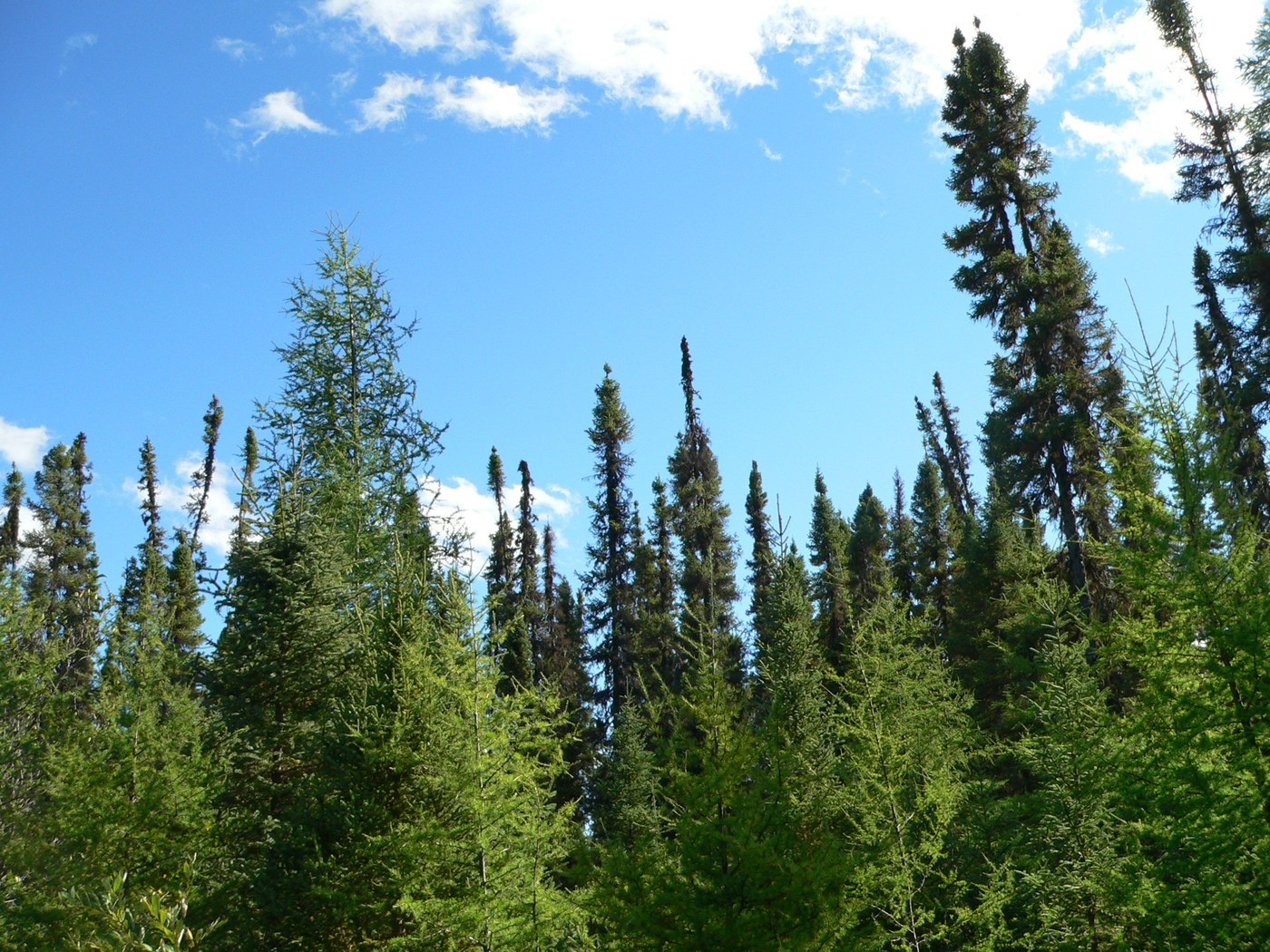
Black Spruce (Picea mariana) is a slow-growing, narrow-crowned northern conifer prized as an ornamental for its blue-green needles, tidy spire form, and remarkable tolerance of cold, wet, acidic ground where few other trees succeed.
Light
Give Black Spruce full sun for the densest, most symmetrical crown. It will tolerate light shade, especially when young, but growth becomes thin and open in deep shade. In its native range it endures long, low-angle northern sun, so an unobstructed southern or western exposure suits it best.
Water
This is one of the few conifers that genuinely tolerates wet, boggy soil, and it appreciates consistently moist ground. Water young trees regularly to keep the root zone from drying out, and never let a newly planted specimen bake dry. Established trees handle seasonal flooding and standing moisture better than most spruces, though they also survive average garden moisture if the soil stays cool and rich in organic matter.
Soil & Potting
Black Spruce strongly prefers acidic, peaty, organically rich soils and does poorly in alkaline or chalky ground. It grows naturally in sphagnum bogs and cold, poorly drained flats, so heavy, moisture-retentive soils are an asset rather than a liability here. Amend planting holes with peat or composted pine bark to lower pH and hold moisture. A permanent mulch of pine needles or bark chips keeps the shallow roots cool and steadily damp.
Humidity & Temperature
Extremely cold-hardy, Black Spruce is comfortable through severe winters and short, cool summers. It struggles in hot, humid, or dry climates and is not a tree for warm-summer regions. Cool ambient humidity and low heat suit it; prolonged heat stress causes needle browning and dieback.
Feeding
This species is adapted to lean, nutrient-poor bogs and needs very little feeding. If growth is pale, apply a light dose of an acidifying, slow-release conifer or evergreen fertilizer in early spring. Avoid high-nitrogen feeds, which push soft growth prone to winter damage.
Propagation
Black Spruce is usually propagated from seed, which benefits from a period of cold, moist stratification before sowing in a cool, humid seedbed. Germination and early growth are slow, so patience is essential. Layering can occur naturally where low branches contact damp moss, and semi-hardwood cuttings can be attempted but root unreliably.
Repotting / Pruning
Container-grown young trees should be potted on into slightly larger acidic-mix pots as roots fill the space, ideally in early spring. Pruning needs are minimal: remove dead, damaged, or crossing branches in late winter and lightly shape if desired, but avoid heavy cutting into old wood, which does not readily regenerate needles.
Common Problems & Pests
Spruce spider mites can stipple and bronze the needles in hot, dry spells, while spruce budworm, sawfly larvae, and adelgids occasionally feed on new growth. Cast fungal diseases and root rot appear mainly where the tree is stressed by heat or drought rather than excess water. Keep the tree cool and consistently moist to minimize problems, and hose off mites early.
Seasonal Care Tips
Plant in early spring or fall while the soil is cool and moist. Water deeply through the first summers and refresh acidic mulch each spring. Little winter protection is needed given its extreme hardiness. In warm-summer areas, provide extra moisture and afternoon relief from heat to prevent needle scorch.
Frequently asked questions
Can Black Spruce grow in wet or boggy soil?
Yes. It is one of the few conifers that thrives in wet, boggy, acidic ground and tolerates seasonal standing moisture that would rot most other spruces.
Why is my Black Spruce growing so slowly?
Slow growth is normal for this species; it is naturally a slow, long-lived conifer. Cool conditions, acidic moist soil, and full sun give the steadiest growth.
Does Black Spruce need full sun?
Full sun produces the densest, most symmetrical crown. It tolerates light shade when young but becomes thin and open in deep shade.
Can I grow Black Spruce in a hot climate?
It is poorly suited to hot, humid, or dry regions. It performs best in cold-winter, cool-summer climates and may scorch or decline where summers are hot.