Black Spruce
Picea mariana
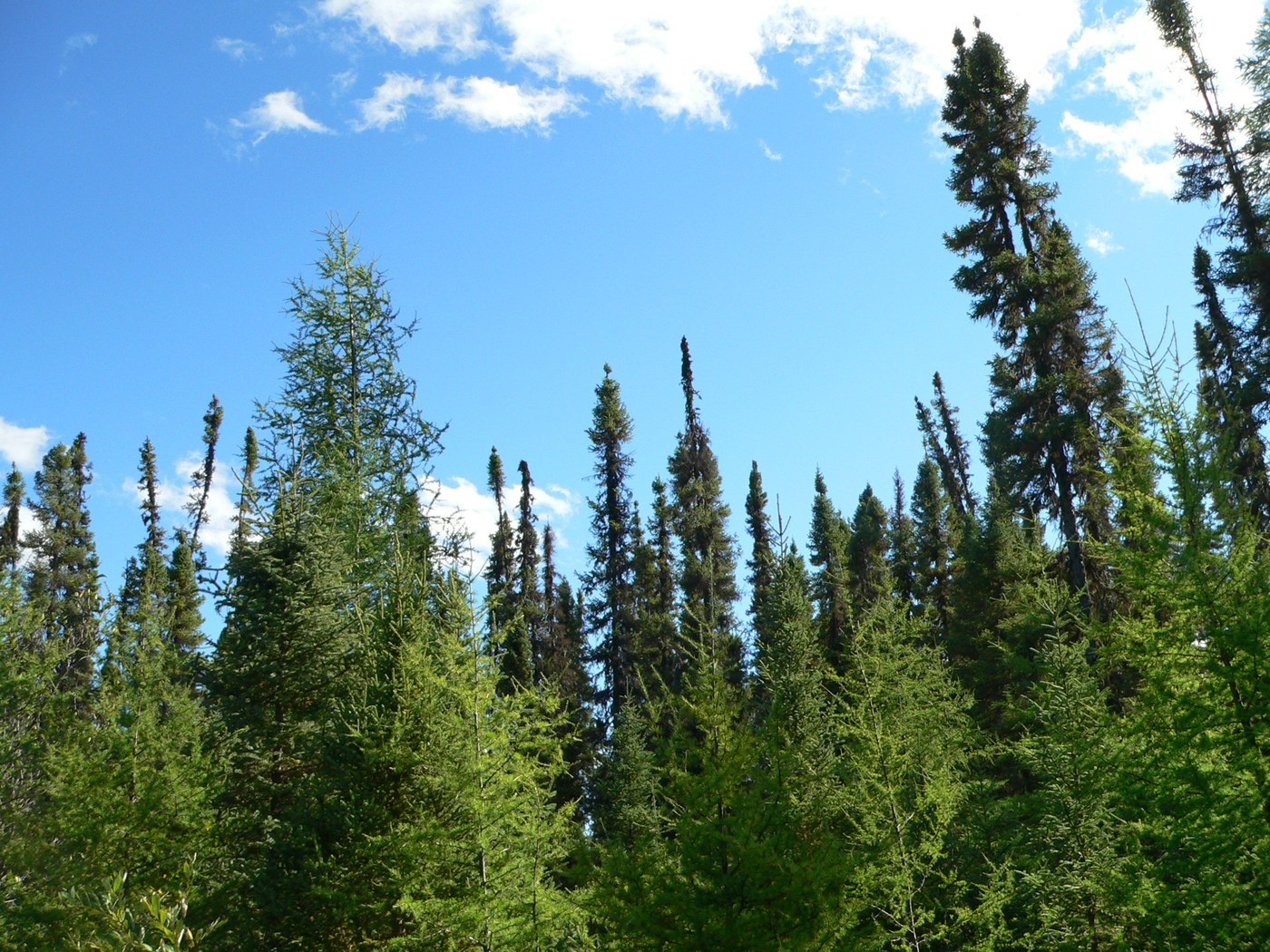
Black Spruce is a slow-growing boreal conifer of cold northern bogs, recognizable by its narrow crown, short needles, and small persistent cones.
- Light
- Full sun
- Water
- Tolerates wet, boggy soil
- Difficulty
- Moderate
Got a plant like this?
Identify any plant from a photo, free.
Overview
Black Spruce (Picea mariana) is a defining tree of the North American boreal forest, growing across the cold, wet, nutrient-poor bogs and muskegs of Canada and the northern U.S.
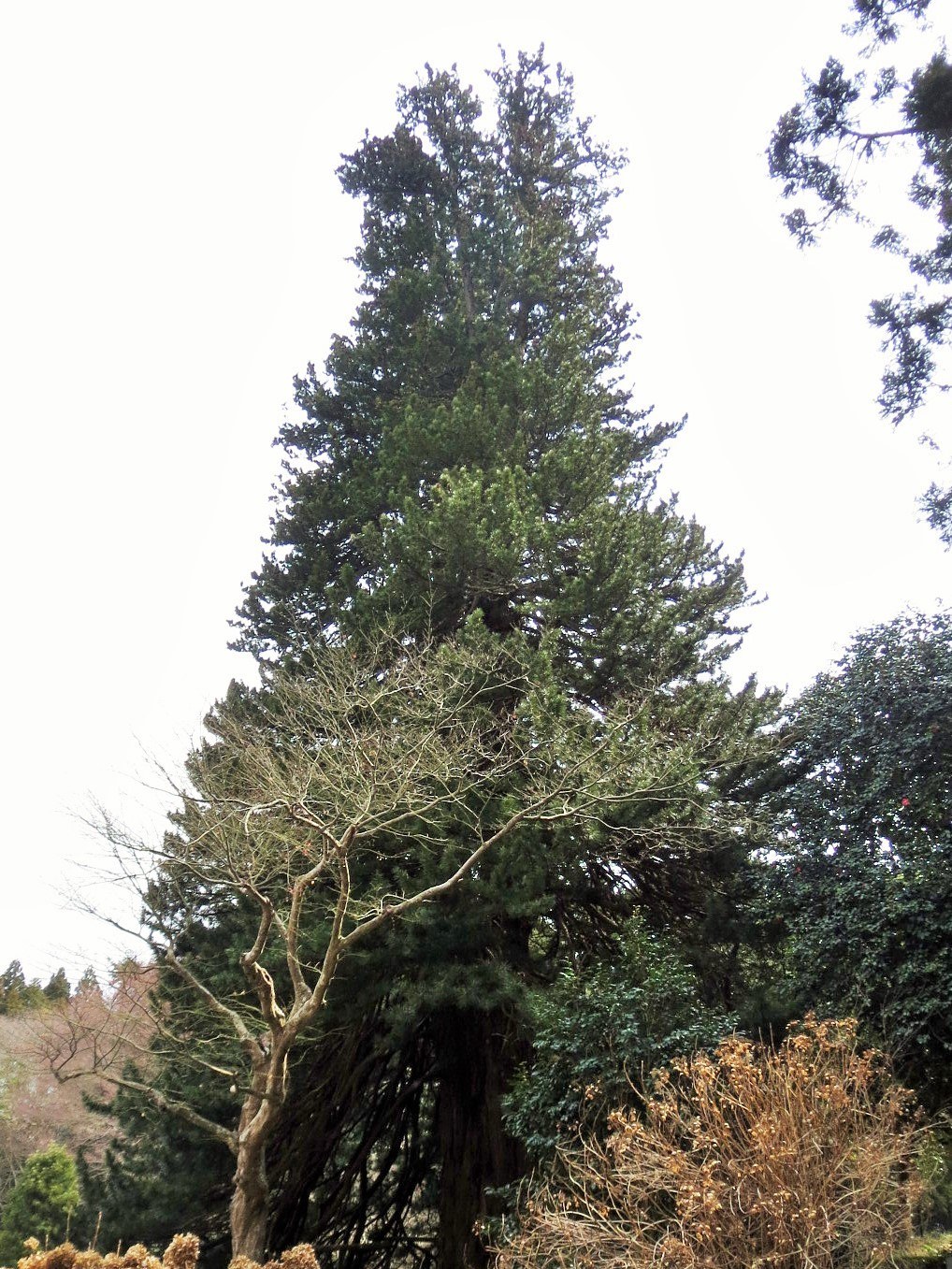
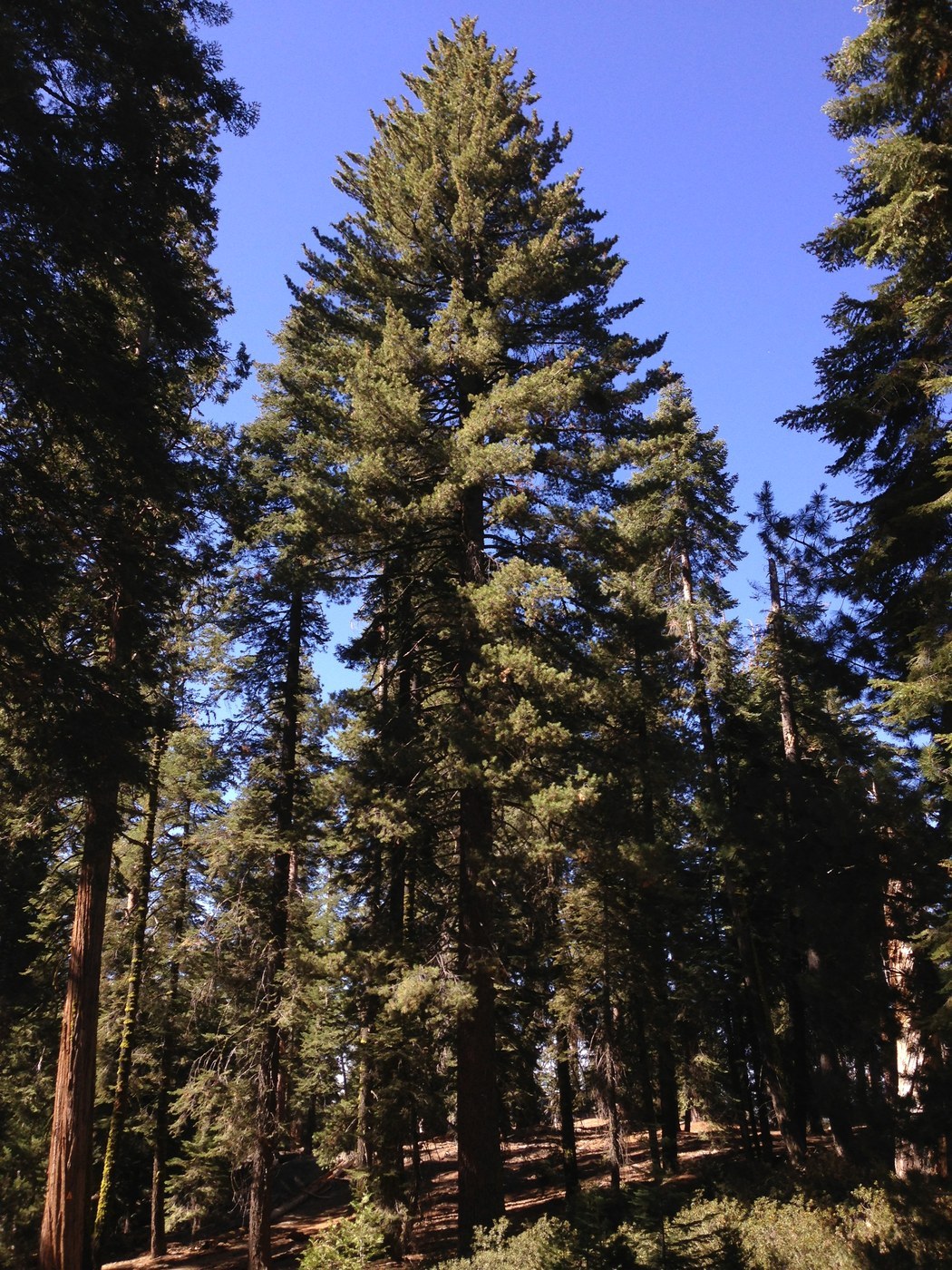
It is a slow-growing, narrow tree, often forming a distinctive club-shaped tuft of branches at the very top. It can also reproduce by layering, where lower branches touching the ground take root.
How to identify it
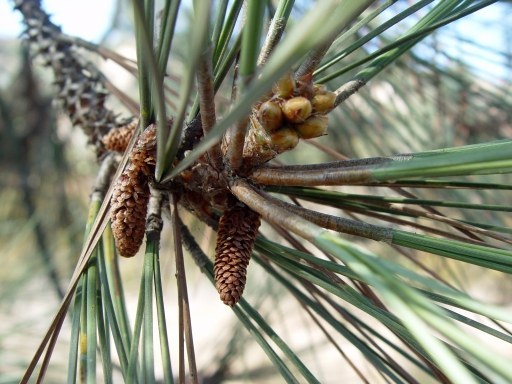
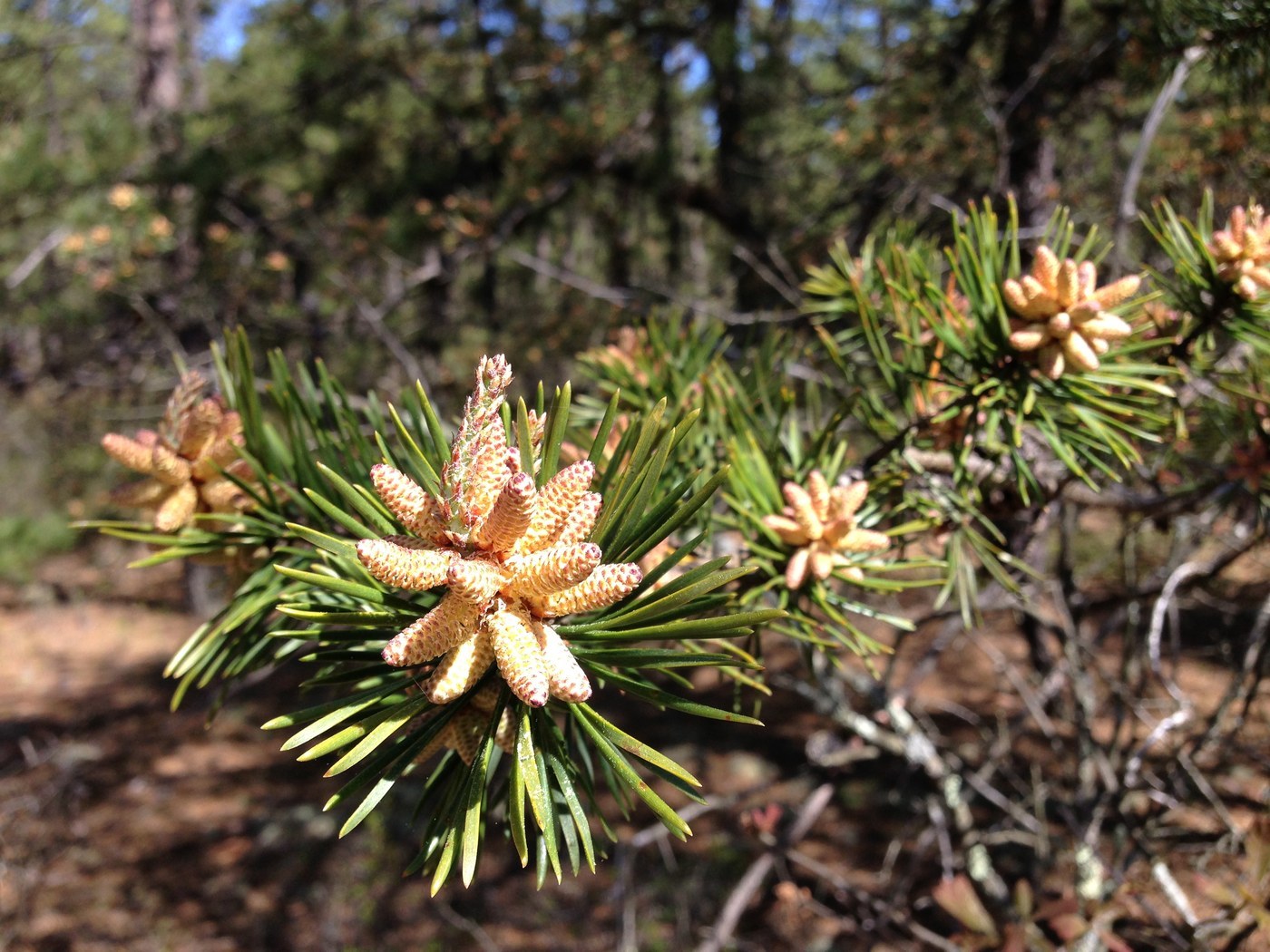
- Needles: Short (0.25–0.6 in), four-sided, bluish-green, stiff, set all around the twig.
- Cones: Small (0.5–1.5 in), egg-shaped, purplish then brown, often clustered near the top and persisting for years.
- Crown: Narrow and spire-like, frequently with a denser tuft at the apex.
- Habit: Slow-growing, often stunted in bogs.
- Size: Usually 15–50 ft on poor sites.
Care & growing
Black Spruce grows in full sun and uniquely tolerates cold, wet, acidic, boggy soils that most conifers cannot endure.
- Water: Tolerates saturated, boggy ground; also grows on uplands.
- Soil: Acidic, wet, peaty or sphagnum soils preferred.
- Temperature: Extremely cold hardy (USDA zones 2–5).
- Feeding: Not required on native sites.
- Propagation: From seed (cones may be semi-serotinous) and by natural layering.
Habitat & origin
Native across the North American boreal zone, from Alaska and across Canada to the northeastern U.S. and Great Lakes states.
It dominates cold peat bogs, muskegs, and swamps, and also grows on uplands, often forming vast pure stands in the taiga.
Frequently asked questions
Where does Black Spruce grow?
In cold northern bogs, muskegs, and boreal forests across Canada and the northern U.S.
How is it different from White Spruce?
Black Spruce has shorter needles, smaller persistent cones, and a narrower crown, and it favors wetter, boggier sites.
Why are the cones small and clustered?
Its small cones persist near the treetop for years and can open after fire, aiding regeneration.
Can it grow in standing water?
Yes, it tolerates saturated, acidic bog soils better than nearly any other tree.
Black Spruce guides
In-depth guides for identifying, growing, and caring for Black Spruce.
How to Care for Black Spruce
Grow Black Spruce (Picea mariana), a slow, cold-hardy northern conifer that thrives in full sun and damp, acidic, boggy ground.
Black Spruce Identification Guide
How to identify Black Spruce (Picea mariana) by its short blunt blue-green needles, tiny rounded cones clustered near the top, and narrow club-shaped crown of northern bogs.