How to Care for Blanket Flower
Grow cheerful, drought-tolerant Blanket Flower (Gaillardia) with full sun, lean soil, and regular deadheading for months of daisy-like blooms.
Read the full Blanket Flower encyclopedia entry →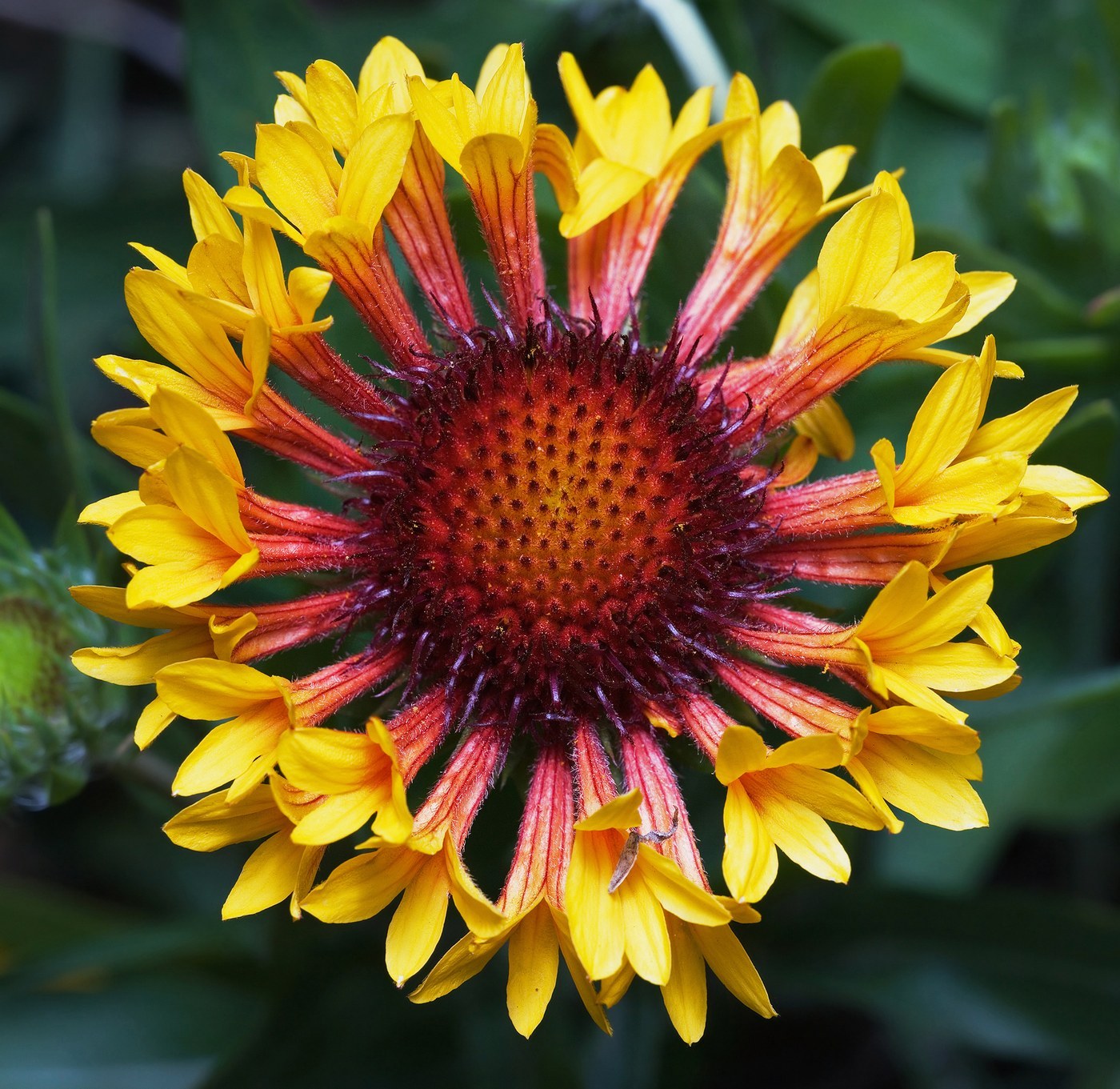
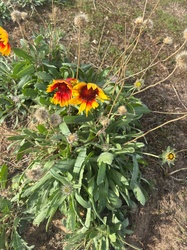
Blanket Flower (Gaillardia x grandiflora) is a tough, sun-loving perennial covered in warm-toned, daisy-like blooms of red, orange, and yellow through summer and into fall. It is an easy, low-maintenance plant that thrives on neglect, tolerating heat, poor soil, and drought once established.
Light
Blanket flower needs full sun, ideally six or more hours of direct light daily, to bloom prolifically and stay compact. In shade it grows floppy and sparse and produces few flowers. It is an excellent choice for hot, exposed borders, gravel gardens, and sunny slopes.
Water
Water sparingly. Blanket flower is very drought-tolerant and prefers dry to moderately dry conditions. Water new plantings regularly until established, then only during prolonged drought. It strongly dislikes wet, heavy soil, especially in winter, when soggy roots are the most common cause of plant loss. Let the soil dry between waterings.
Soil & Potting
Grow it in lean, sandy, or gritty well-drained soil. Rich, fertile ground actually produces weak, floppy growth and fewer flowers, so avoid heavy amendment. Good drainage is essential, particularly to survive winter wet. In containers, use a free-draining mix and ensure excellent drainage; avoid water-retentive potting soils.
Humidity & Temperature
Blanket flower thrives in heat and low humidity and tolerates a wide temperature range. High humidity and poor airflow can encourage foliage diseases, so give it space. It is reasonably cold-hardy as a perennial, though it is often short-lived and may behave as a biennial or short-lived perennial, especially in heavy, damp soils.
Feeding
Feed very little. Blanket flower flowers best in poor soil, and excess fertilizer promotes lush foliage at the expense of blooms and creates leggy, flopping plants. At most, work in a little compost at planting or apply a light dose of balanced fertilizer once in spring.
Propagation
Propagate by seed, division, or basal cuttings. Seeds germinate readily and can be sown in spring; many plants bloom the first year. Divide established clumps in spring every two to three years to reinvigorate them, since divisions also help extend the life of these often short-lived perennials. Basal cuttings taken in spring root well.
Repotting / Pruning
Deadhead spent flowers regularly to prolong blooming through the season and prevent excessive self-seeding. A light shearing in mid to late summer, if the plant looks tired, encourages a fresh flush of growth and flowers. Divide crowded clumps in spring. Container plants can be repotted in spring into fresh, gritty mix.
Common Problems & Pests
The biggest threat is root and crown rot from wet, poorly drained soil, especially over winter. Powdery mildew and leaf spots can appear in humid, crowded conditions; improve airflow and avoid overhead watering. Aphids and leafhoppers may visit but rarely cause serious harm. Floppy, sparse growth signals too much shade or overly rich soil.
Seasonal Care Tips
Expect the main flush of bloom from early summer into fall, extended by consistent deadheading. In spring, divide clumps and cut back old growth. In autumn, avoid heavy mulching directly over the crown in wet-winter climates, since trapped moisture promotes rot; instead ensure sharp drainage. Leaving some seed heads late in the season allows self-seeding to replace short-lived plants.
Frequently asked questions
Why is my blanket flower flopping over?
Floppy growth usually means too much shade or overly rich, fertile soil. Blanket flower stays compact and upright in full sun and lean, well-drained soil, so avoid heavy feeding and give it plenty of direct light.
How do I keep blanket flower blooming all summer?
Deadhead spent flowers regularly and give the plant full sun. A light shearing in midsummer if it looks tired will spark a fresh flush of blooms into fall.
Why did my blanket flower die over winter?
The most common cause is wet, poorly drained soil, which rots the crown and roots in cold, damp conditions. Plant it in gritty, sharply drained soil and avoid heavy mulch over the crown in wet-winter climates.
Is blanket flower a true perennial?
It is a short-lived perennial that often behaves like a biennial, especially in heavy soil. Dividing clumps every couple of years and allowing some self-seeding helps keep it going in the garden long-term.
Blanket Flower identified by the community
Recent Blanket Flower specimens identified with Plant Identifier.