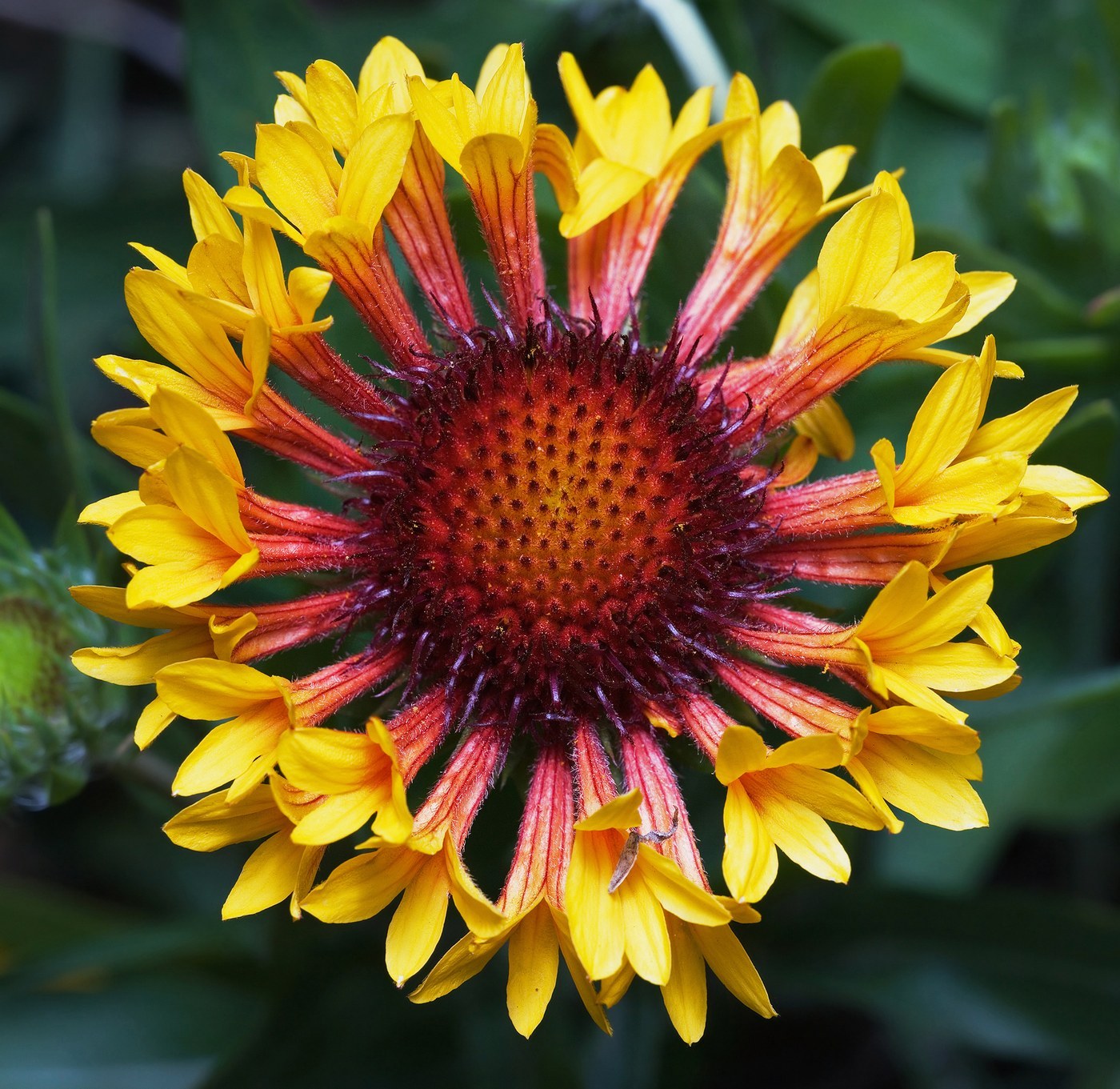
Blanket Flower
Gaillardia x grandiflora
A heat-loving, daisy-like perennial in fiery bands of red, orange, and yellow that bloom nonstop all summer. Tough, drought-proof, and beloved by bees and butterflies.
- Light
- Full sun
- Water
- Sparingly; very drought-tolerant
- Difficulty
- Easy
Got a plant like this?
Identify any plant from a photo, free.
Overview
Blanket flower brings warm, sunset colors to the garden with its banded blooms of red and yellow that resemble the patterns of Native American blankets, the source of its common name. The flowers appear in profusion from early summer until frost.
The garden hybrid Gaillardia x grandiflora combines the toughness of its North American prairie parents with showy, long-lasting blooms. It tolerates heat, drought, poor soil, salt, and humidity with ease.
Though sometimes short-lived, it blooms so freely and self-sows so readily that it persists in the garden, making it a cheerful, carefree choice for hot, sunny spots.
How to identify it
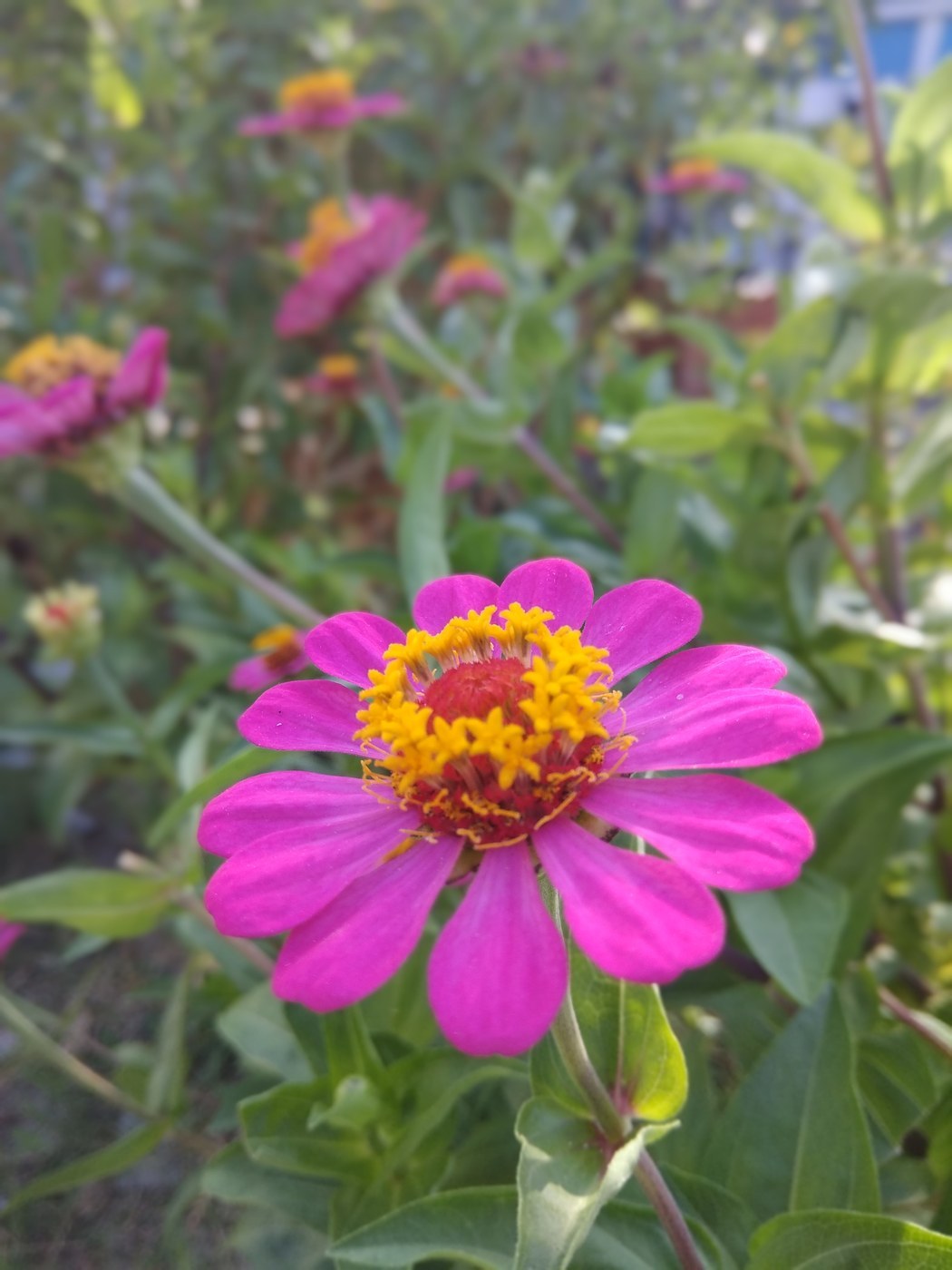
- Flowers: Daisy-like, 2-4 in. wide, in bands and rings of red, orange, and yellow around a domed central disk
- Leaves: Gray-green, lance-shaped, slightly hairy, often lobed near the base
- Habit: Bushy, somewhat sprawling clump 1-2 ft tall
- Bloom time: Early summer until frost, exceptionally long
- Variants: Single, double, and pinwheel-petaled forms exist
Care & growing
Light: Full sun is essential for strong bloom and sturdy growth.
Water: Very drought-tolerant; water sparingly and never let it sit in wet soil.
Soil: Lean, sandy, well-drained soil; rich or soggy soil shortens its life and causes flopping.
Temperature: Hardy in USDA zones 3-10; thrives in heat and humidity.
Feeding: None needed; over-feeding reduces flowering.
Propagation: By seed (often blooms the first year), division, or basal cuttings. Deadheading prolongs bloom; leaving some seed heads encourages self-sowing and feeds birds.
Habitat & origin
Blanket flower's parent species are native to the prairies, plains, and open sandy areas of North and South America, where they endure intense sun, drought, and poor soil.
This hardy heritage makes the garden hybrid ideal for xeriscapes, coastal gardens, and hot borders. It is now grown throughout temperate and warm regions worldwide.
Frequently asked questions
Why is my blanket flower short-lived?
Gaillardia is naturally short-lived, especially in rich or wet soil. Grow it lean and well-drained, and let it self-sow to keep a continuous display.
How do I keep blanket flower blooming all summer?
Deadhead spent flowers regularly and grow it in full sun with lean soil. It will bloom from early summer right up to frost.
Does blanket flower need much water?
No, it is very drought-tolerant once established and prefers dry conditions. Overwatering and heavy soil are its main enemies.
Is blanket flower good for pollinators?
Yes, its long-blooming flowers attract bees and butterflies, and the seed heads provide food for birds.
Blanket Flower guides
In-depth guides for identifying, growing, and caring for Blanket Flower.
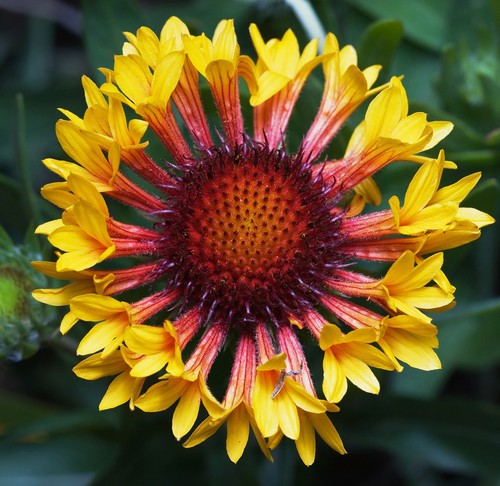
How to Care for Blanket Flower
Grow cheerful, drought-tolerant Blanket Flower (Gaillardia) with full sun, lean soil, and regular deadheading for months of daisy-like blooms.
Blanket Flower Identification Guide
Recognize blanket flower (Gaillardia) by its warm red-and-yellow banded daisy blooms, fringe-tipped petals, and hairy gray-green foliage.