
How to Care for Blood Orange
Grow a blood orange for glossy evergreen foliage, fragrant blossoms, and colorful fruit. A moderate-care citrus that loves sun and warmth.
Read the full Blood Orange encyclopedia entry →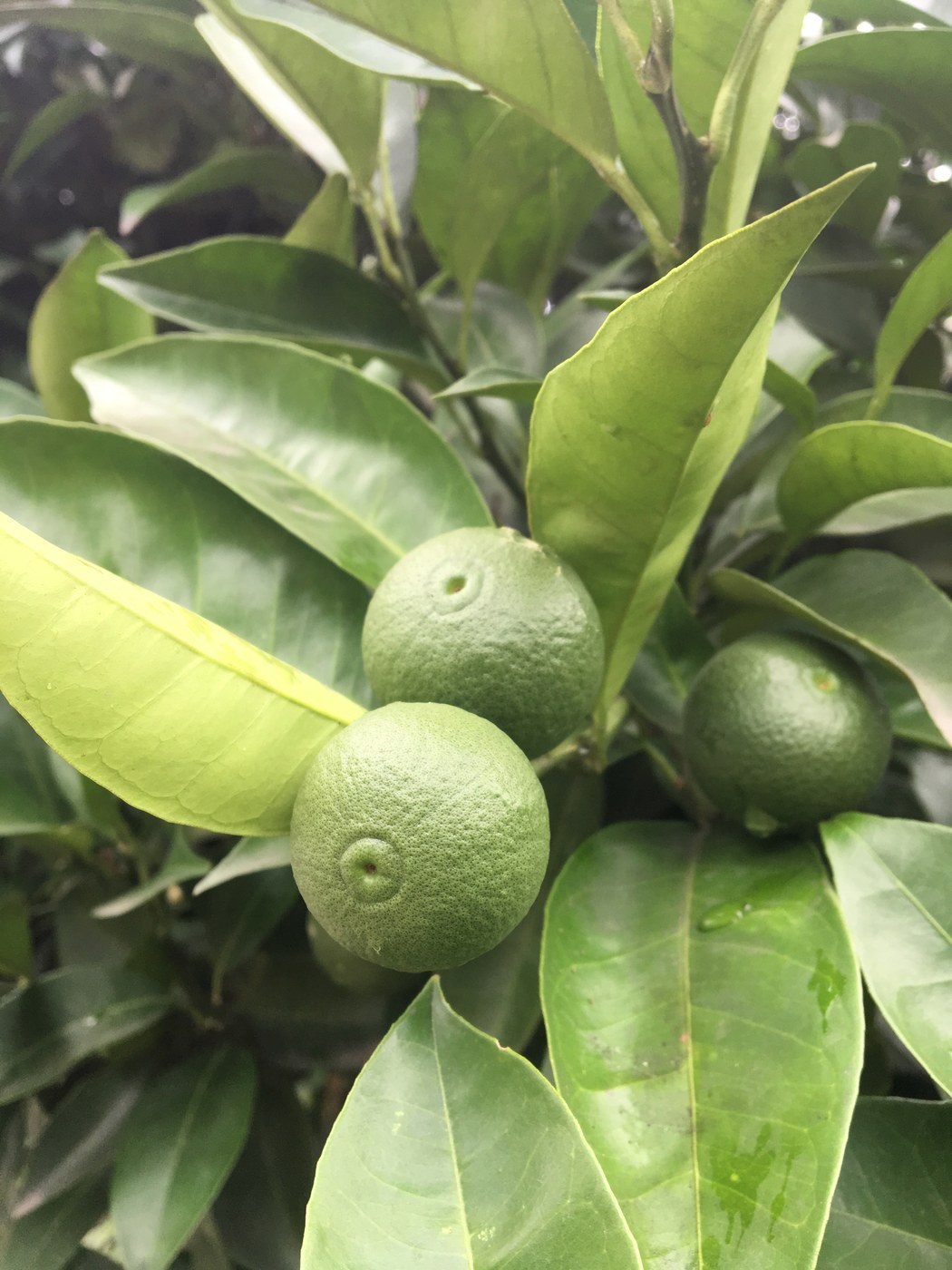
The blood orange (Citrus x sinensis) is an evergreen citrus grown for its fragrant white blossoms, glossy foliage, and richly pigmented fruit. It is a moderate-care plant that rewards abundant sun, warmth, and consistent watering, and it adapts well to large containers where winters are cold.
Light
Blood orange needs full sun, ideally 8 or more hours of direct light daily, to fruit well and stay dense. Give the sunniest spot available outdoors, or a bright south-facing window supplemented with grow lights indoors. Insufficient light causes weak growth, leaf drop, and poor flowering.
Water
Water deeply, giving a thorough weekly soak and allowing the top inch or two of soil to dry before watering again. Citrus dislike both drought stress and constantly soggy roots. Container plants dry faster and may need more frequent watering in heat; check the soil rather than following a rigid schedule.
Soil & Potting
Use a well-drained, slightly acidic potting mix; a citrus or cactus blend amended with compost works well. Good drainage is critical, so always use a pot with drainage holes. In the ground, plant in loamy, fast-draining soil and avoid low spots where water collects.
Humidity & Temperature
Blood orange thrives in warm, sunny conditions and is sensitive to hard frost. Protect plants when temperatures approach freezing, moving containers indoors or to shelter in cold climates. Moderate humidity suits them; indoor plants in dry winter air benefit from occasional misting or a nearby humidifier.
Feeding
Citrus are heavy feeders. Use a fertilizer formulated for citrus, rich in nitrogen and including micronutrients like magnesium, iron, and zinc, applied regularly through the growing season from spring to late summer. Reduce or stop feeding in winter. Yellowing leaves often signal a nutrient shortage to correct with the right feed.
Propagation
Most blood oranges are propagated by grafting a desired variety onto hardy rootstock, which gives faster, truer results. Semi-hardwood cuttings can be attempted with rooting hormone and warmth but root slowly. Seed-grown plants are slow to mature and may not resemble the parent.
Repotting / Pruning
Repot container plants every 2 to 3 years in spring into a slightly larger pot with fresh mix, refreshing tired soil. Prune in late winter or early spring to remove dead, crossing, or inward growth and to shape the canopy. Remove any suckers arising below the graft union promptly.
Common Problems & Pests
Common pests include aphids, scale, mealybugs, spider mites, and citrus leaf miner, which tunnels new leaves. Watch for sooty mold on honeydew from sap-suckers. Yellowing foliage usually points to nutrient deficiency or overwatering, while root rot follows soggy soil. Inspect regularly and treat pests early.
Seasonal Care Tips
Feed and water actively spring through summer during the main growth and fruiting push. In fall, taper feeding as growth slows. Protect from frost in winter and reduce watering while keeping soil from drying completely. Move containers back into full sun once frost danger passes in spring.
Frequently asked questions
Why are the leaves on my blood orange turning yellow?
Yellowing usually means a nutrient deficiency (often nitrogen, iron, or magnesium) or overwatering. Use a dedicated citrus fertilizer with micronutrients and make sure the soil drains freely between waterings.
Can I grow a blood orange in a pot?
Yes. Blood orange grows well in a large container with a well-drained citrus mix, which lets you move it indoors or under shelter when frost threatens. Water when the top inch or two dries and feed regularly in the growing season.
How much sun does a blood orange need?
As much as possible, ideally 8 or more hours of direct sun daily. Full sun drives strong growth and flowering; too little light leads to leggy growth, leaf drop, and poor performance.
How do I protect my blood orange from cold?
It is frost-sensitive, so move container plants indoors or to a sheltered spot when temperatures approach freezing. In-ground trees in marginal climates need frost cloth or other cold protection.