Blood Orange
Citrus × sinensis
Blood orange is an orange cultivar whose flesh develops crimson-to-burgundy pigment from anthocyanins, triggered by cool nights. It produces fruit on a compact evergreen tree.
- Light
- Full sun, 8+ hours
- Water
- Deep weekly soak; let topsoil dry
- Difficulty
- Moderate
Got a plant like this?
Identify any plant from a photo, free.
Overview
Blood orange is not a separate species but a group of pigmented cultivars of the common sweet orange (Citrus × sinensis). The deep red flesh comes from anthocyanin pigments, which accumulate only when the fruit experiences warm days and cold nights during ripening.
The best-known types are 'Moro' (darkest, most intense color), 'Tarocco' (popular in Italy) and 'Sanguinello'.
Trees are evergreen, moderately sized, and well suited to Mediterranean climates or large containers in cooler regions where they can be moved indoors over winter.
How to identify it
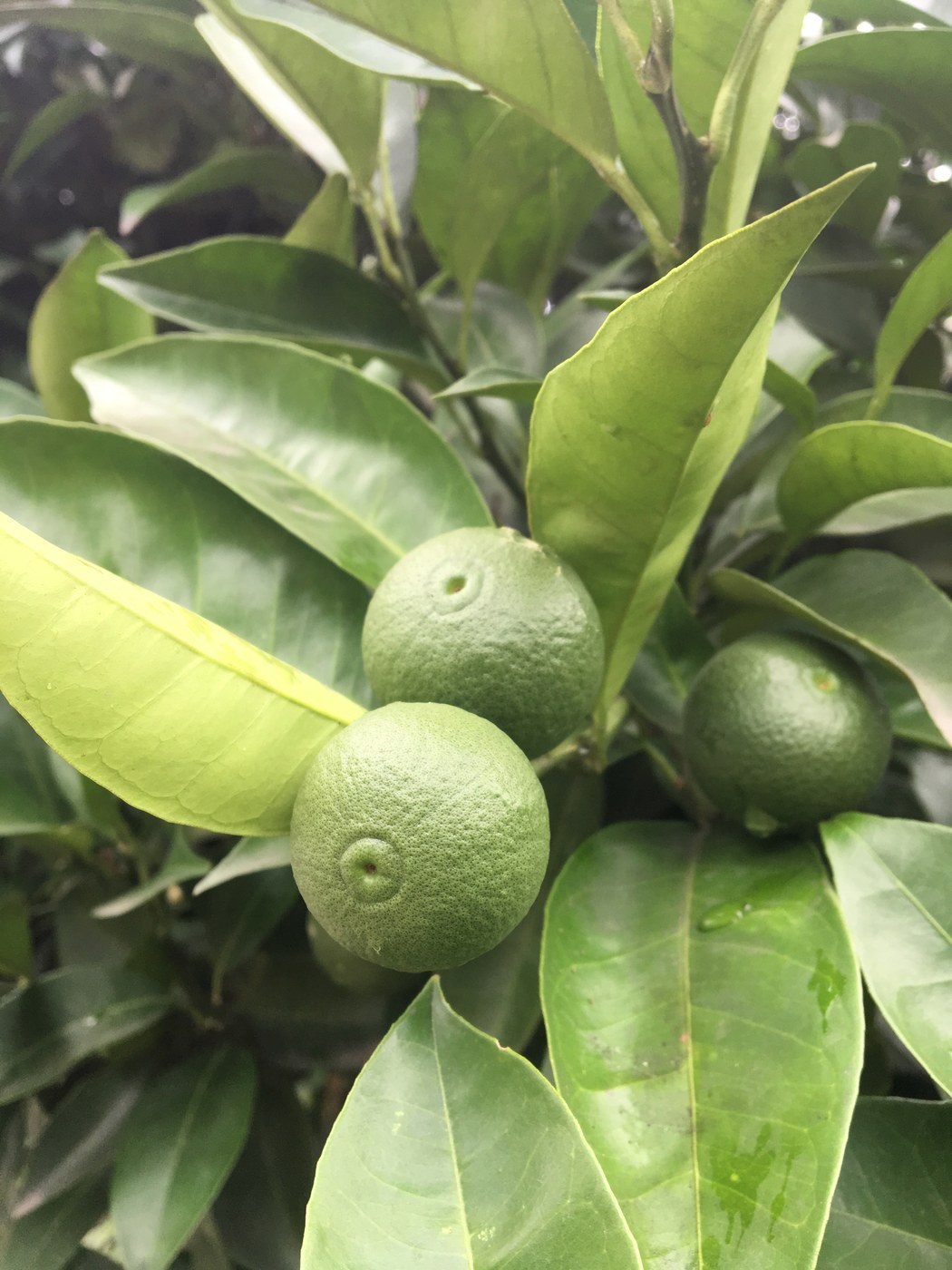
- Fruit: Round to slightly oval; rind often blushed orange-red, interior flesh streaked or fully crimson to deep burgundy
- Leaves: Glossy, dark green, elliptical, with a faint citrus scent when crushed and a narrowly winged petiole
- Flowers: White, intensely fragrant, borne singly or in small clusters
- Size: Typically 10–20 ft tall in ground; far smaller when container-grown and pruned
- Habit: Dense, rounded evergreen canopy, sometimes with small thorns on young growth
Care & growing
Light: Full sun, at least 8 hours daily, is essential for fruit and pigment development.
Water: Keep soil evenly moist but never waterlogged; deep weekly watering, letting the top inch or two dry between sessions.
Soil: Well-draining, slightly acidic loam (pH 6.0–7.0). Sandy or container mixes with good drainage prevent root rot.
Temperature: Thrives in USDA zones 9–11. Cold nights (but above freezing) actually intensify the red color. Protect from hard frost.
Feeding: Use a citrus-specific fertilizer high in nitrogen during spring and summer; supplement with iron and zinc if leaves yellow.
Propagation: Usually grafted onto hardy rootstock for disease resistance and earlier fruiting; seed-grown trees vary and are slow.
Habitat & origin
Blood oranges trace to sweet oranges originally from southern China and Southeast Asia, with the red-fleshed mutation popularized in the Mediterranean, especially Sicily, where volcanic soils and the day-night temperature swings around Mount Etna produce the deepest color.
Today they are grown commercially in Italy, Spain, the United States (California, Texas, Florida), and other warm citrus regions. In cooler climates they are kept as patio container trees moved indoors for winter.
Frequently asked questions
Why is my blood orange flesh orange instead of red?
Anthocyanin pigment only develops with cool nights during ripening. In consistently warm climates the flesh stays pale orange even when the fruit is mature.
Can I grow a blood orange in a pot?
Yes. Choose a dwarf grafted tree, a large well-draining container, full sun, and citrus fertilizer. Move it indoors near a bright window if winters drop below freezing.
How long until a blood orange tree fruits?
Grafted trees often bear within 2–3 years; seed-grown trees can take 5–7 years or more and may not stay true to type.
Are blood oranges genetically modified?
No. The red pigment is a natural mutation that has existed for centuries; it is simply enhanced by climate, not engineering.
Blood Orange guides
In-depth guides for identifying, growing, and caring for Blood Orange.
How to Care for Blood Orange
Grow a blood orange for glossy evergreen foliage, fragrant blossoms, and colorful fruit. A moderate-care citrus that loves sun and warmth.
Blood Orange Identification Guide
How to recognize a blood orange tree and its distinctive crimson-fleshed fruit, from leaf and flower to the tell-tale anthocyanin blush.