
Blood Orange Identification Guide
How to recognize a blood orange tree and its distinctive crimson-fleshed fruit, from leaf and flower to the tell-tale anthocyanin blush.
Read the full Blood Orange encyclopedia entry →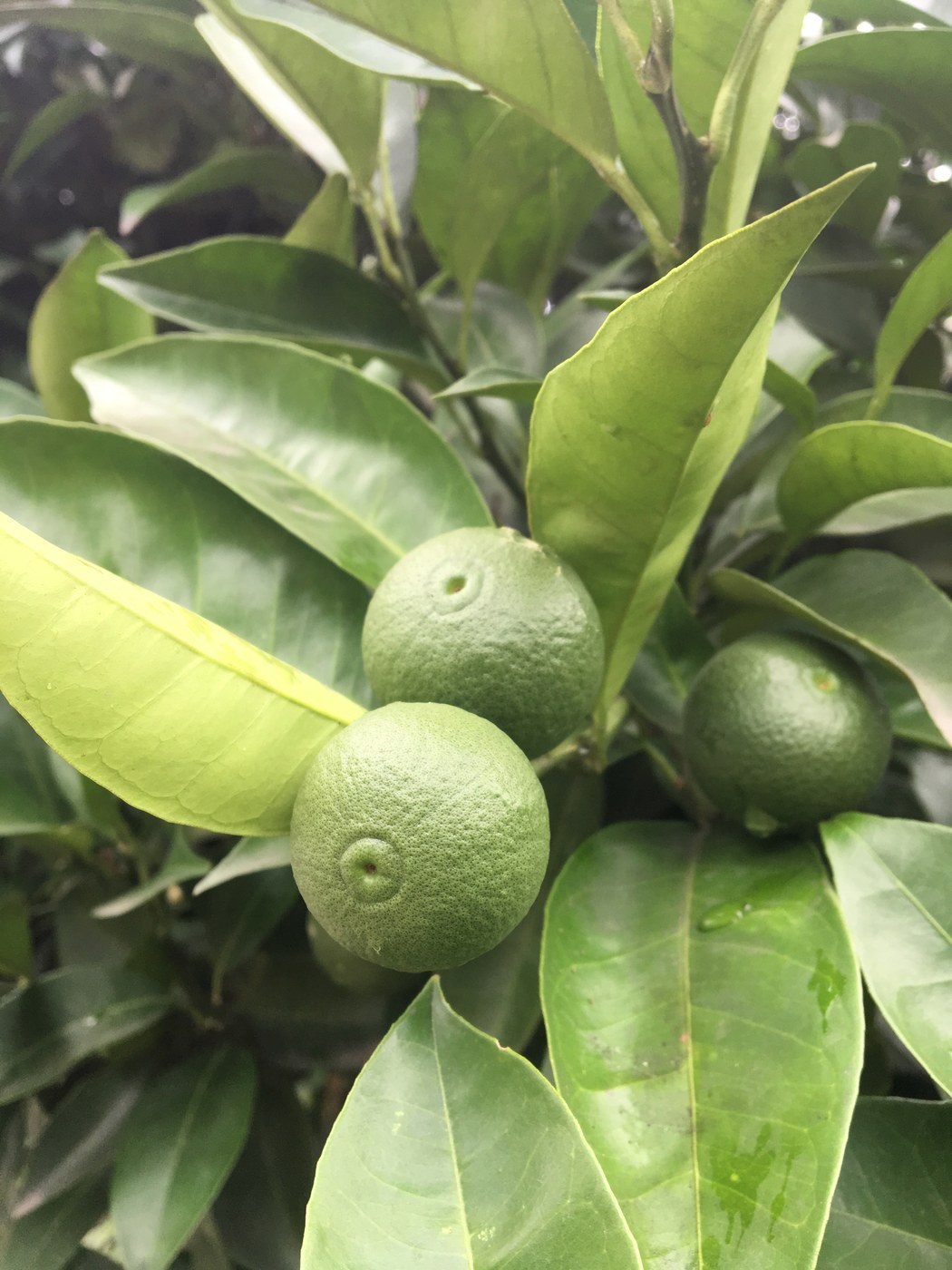
Key Identifying Features
The blood orange is a cultivar group of the sweet orange (Citrus × sinensis), so the tree itself looks like an ordinary orange tree. What sets it apart is the fruit: when cut, the flesh ranges from streaked maroon to solid deep crimson, a color produced by anthocyanin pigments that ordinary oranges lack. The rind often carries a rusty red or blushed flush over the orange, especially on the sun-exposed side.
- Small evergreen tree, typically 3–6 m tall, rounded canopy
- Fruit medium, round to slightly oval, often with a faint red blush on the rind
- Red-pigmented flesh when sliced — the definitive trait
- Common cultivars: 'Moro' (darkest), 'Tarocco', 'Sanguinello'
Leaves & Stems
Leaves are glossy, dark green, oval to elliptical, 6–10 cm long, with a pointed tip and finely toothed or smooth margin. Look at the leaf stalk (petiole): sweet oranges have a narrowly winged petiole, a small flange of leaf tissue along the stalk. Crush a leaf and it smells strongly of citrus oil. Twigs are green when young and may carry slender, flexible spines, though many cultivated trees are nearly thornless.
Flowers & Fruit
Flowers are white, waxy, intensely fragrant, about 2–3 cm across, borne singly or in small clusters, with five petals and a tuft of yellow stamens. Fruit ripens in winter to early spring in Mediterranean climates; the red color deepens with cold nights, which is why the best color comes from regions with chilly winters. The blood orange is usually seedless or nearly so and easy to peel.
How to Tell It Apart from Look-Alikes
- Navel orange: orange flesh, no red; has a small secondary fruit ("navel") at the blossom end. Blood oranges lack a navel.
- Tangerine/mandarin: flatter, loose-skinned, easy to peel; flesh orange not red.
- Cara Cara navel: pinkish flesh from lycopene, but is a navel orange (has the navel) and the pink is lighter and uniform, not the streaky deep maroon of a blood orange.
- The only certain test is to cut the fruit — red flesh confirms a blood orange.
Where You'll Find It
Grown commercially in Sicily, Spain, and California, and as a dooryard tree in USDA zones 9–11. It needs a frost-free growing season but cool winter nights to develop the red pigment; trees grown in consistently warm tropics often produce poorly colored fruit.
Quick ID Checklist
- Evergreen citrus tree with glossy dark-green oval leaves
- Winged petiole on the leaf stalk
- Fragrant white five-petaled flowers
- Round orange fruit, often with a red-blushed rind
- Crimson-streaked to solid-red flesh when cut (the clincher)
- Ripens in winter/early spring
Frequently asked questions
How can I tell a blood orange before cutting it?
Look for a reddish or rusty blush mottling the rind over the normal orange, most obvious on the sun-facing side. But blush can be faint, so slicing to reveal red flesh is the only sure confirmation.
Why is the flesh red?
Blood oranges contain anthocyanins, the same antioxidant pigments found in berries and red cabbage. They develop most strongly when the fruit ripens during cool winter nights.
Do blood oranges have a navel like navel oranges?
No. Navel oranges have a small secondary fruit forming a navel at the blossom end; blood oranges do not, which is one way to distinguish the two by appearance.
Are the leaves different from a regular orange?
No — the tree and foliage are essentially identical to other sweet oranges, including the narrowly winged leaf stalk. The fruit's red interior is the only reliable distinguishing trait.