
How to Care for Bloodroot
Grow Bloodroot, a spring woodland ephemeral, in rich shade with moist spring soil; it blooms early then goes dormant by summer.
Read the full Bloodroot encyclopedia entry →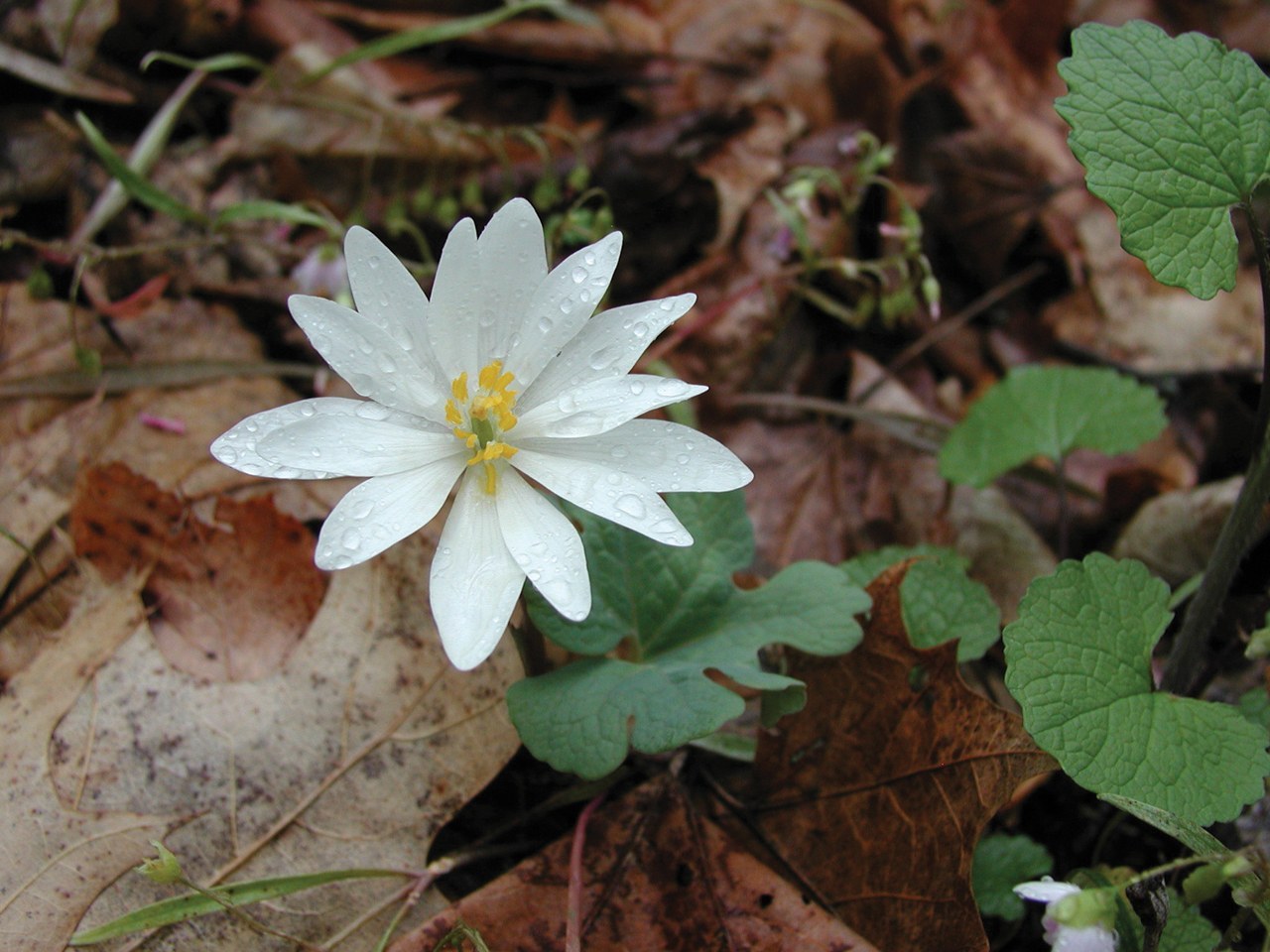
Bloodroot (Sanguinaria canadensis) is a charming native woodland wildflower that produces solitary, pure-white daisy-like blooms in early spring, each wrapped in a distinctive lobed leaf. It is a spring ephemeral, meaning it flowers and leafs out early, then naturally retreats into dormancy as summer heat arrives.
Light
Bloodroot grows best in part shade to full shade, mirroring its natural home on the forest floor. It appreciates the brighter light of early spring before trees leaf out, then thrives in the dappled shade of the canopy through the rest of its growing period. Deep, cool shade suits it well; avoid hot, direct afternoon sun.
Water
Provide moderate, steady moisture, keeping the soil consistently damp during the active spring growth and flowering period. As the plant naturally goes dormant in summer, its water needs drop sharply and it tolerates drier conditions while resting underground. Never let the soil become waterlogged, which can rot the rhizome.
Soil & Potting
Rich, humus-laden woodland soil is ideal. Amend planting areas with plenty of leaf mold or compost to replicate the loose, organic-rich forest floor. Good drainage is essential to protect the shallow rhizome, while abundant organic matter holds the spring moisture the plant relies on. A slightly acidic to neutral pH works well.
Humidity & Temperature
As a temperate woodland native, Bloodroot enjoys the cool, humid conditions of a shaded garden. It is fully hardy in cold climates and actually requires winter chilling to bloom. It dislikes prolonged summer heat, which is one reason it goes dormant during the hottest months.
Feeding
Bloodroot is a low-feeder that draws most of its nutrition from decaying organic matter. An annual top-dressing of leaf mold or compost in autumn or early spring is usually all it needs. Avoid strong chemical fertilizers, which can overwhelm this understated woodland plant.
Propagation
The most reliable method is division of the rhizome after flowering or as the plant enters dormancy. Lift the shallow rhizome, cut it into sections each with a growth bud, and replant promptly in enriched soil. Bloodroot also self-sows from seed, and seeds are best sown fresh, though seed-grown plants take several years to reach blooming size.
Repotting / Pruning
Bloodroot rarely needs pruning; simply allow the foliage to yellow and die back naturally after flowering so the rhizome can store energy for next spring. Divide established colonies every few years if you wish to expand your planting or if the clump becomes crowded. Mark the location, since the plant disappears entirely by midsummer.
Common Problems & Pests
Bloodroot is generally trouble-free and largely ignored by common garden pests. The main risks are rhizome rot from waterlogged soil and premature dieback from drought during the spring growth period. Slugs and snails may occasionally nibble the tender emerging foliage in very damp conditions.
Seasonal Care Tips
In early spring, keep the soil moist and enjoy the fleeting blooms. As foliage yellows in early summer, let it die back naturally and reduce watering as the plant enters dormancy. In autumn, top-dress with leaf mold and mark the dormant clump. Through winter, the rhizome rests underground and requires the cold period to flower again.
Frequently asked questions
Why did my Bloodroot disappear in summer?
This is completely normal. Bloodroot is a spring ephemeral: it blooms and leafs out early, then dies back to its underground rhizome and goes dormant through the heat of summer, reemerging the following spring.
How do I propagate Bloodroot?
Division is easiest. After flowering or as the plant enters dormancy, lift the shallow rhizome, cut it into sections each with a bud, and replant in rich, humusy soil. It also self-sows if you leave seeds to ripen.
What kind of soil does Bloodroot need?
It thrives in rich, humus-heavy woodland soil amended with leaf mold or compost. Good drainage protects the shallow rhizome, while the organic matter holds the spring moisture the plant depends on.
Can I grow Bloodroot in a sunny spot?
No, it needs part to full shade. Bloodroot is a forest-floor plant; hot direct sun stresses it and dries out the soil too quickly. A cool, shaded location with dappled light is ideal.