
How to Care for Blue Jacaranda
Grow Blue Jacaranda (Jacaranda mimosifolia) for its ferny foliage and clouds of violet-blue spring bloom. Full sun, warm-climate care guide.
Read the full Blue Jacaranda encyclopedia entry →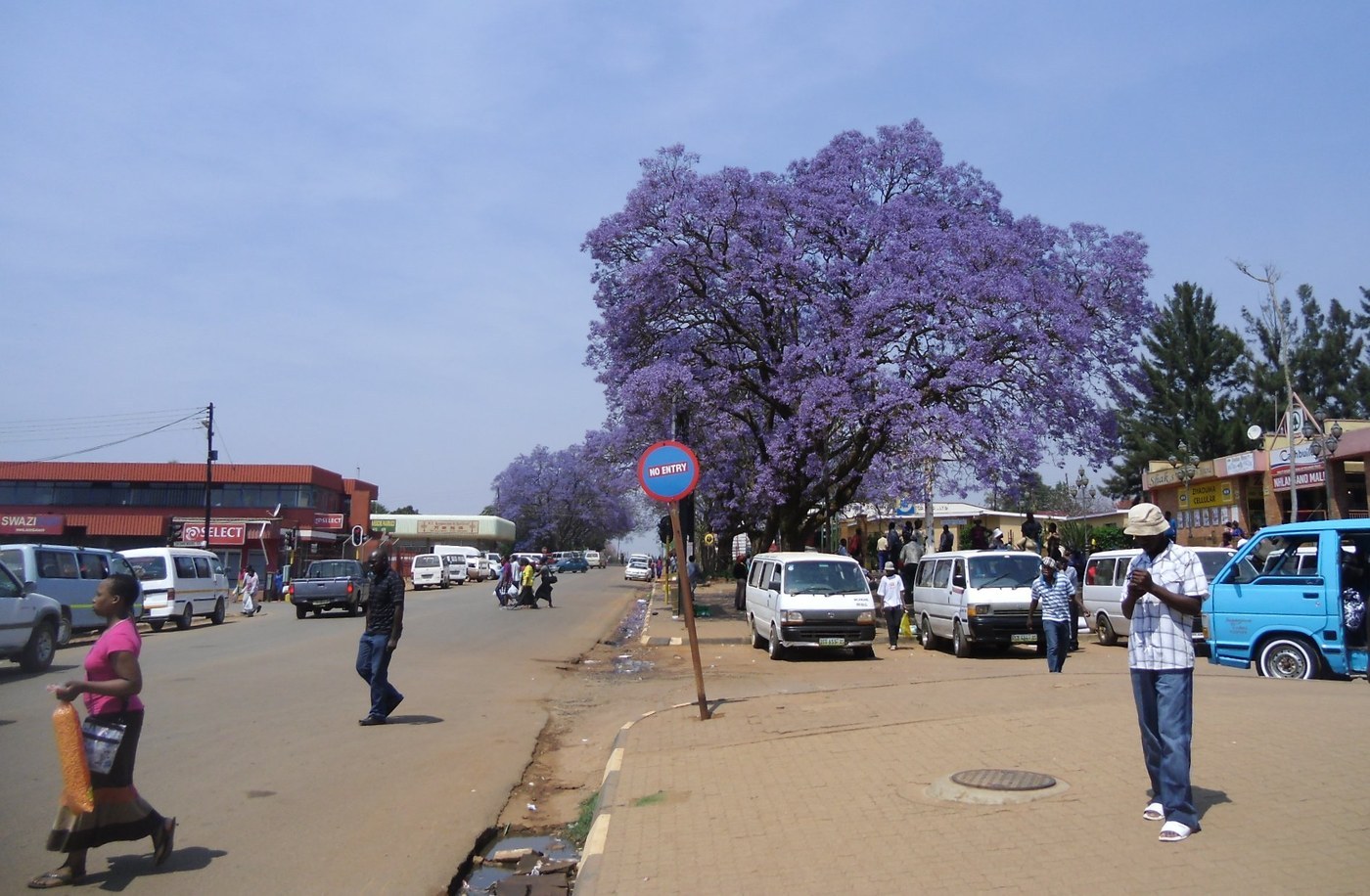
Blue Jacaranda (Jacaranda mimosifolia) is a fast-growing subtropical tree prized for its fern-like bipinnate leaves and spectacular canopy of lavender-blue trumpet flowers in late spring and early summer. It rewards patience with a graceful, spreading crown and is best suited to frost-free or nearly frost-free regions.
Light
Jacaranda demands full sun to bloom well and develop a strong, symmetrical canopy. Give it at least six to eight hours of direct sunlight daily. In too much shade the growth becomes leggy and flowering is sparse or absent, so plant it in the most open, unobstructed spot you have.
Water
Water young trees regularly to establish deep roots, keeping the root zone evenly moist through the first two or three growing seasons. Once mature, Jacaranda is moderately drought-tolerant and prefers a deep, infrequent soak over frequent shallow watering. Let the top several inches of soil dry between waterings, and reduce watering in cooler months to avoid soggy, cold soil.
Soil & Potting
Plant in well-drained, sandy to loamy soil. Jacaranda tolerates a range of pH but performs best in slightly acidic to neutral ground. Avoid heavy, waterlogged clay, which invites root problems. If grown in a container while young, use a free-draining potting mix and a pot with ample drainage holes; move it up gradually as it grows.
Humidity & Temperature
This is a warm-climate tree, comfortable in USDA zones 9b through 11. It thrives in hot summers and mild winters and is damaged by hard frost, especially when young. In marginal climates, plant against a warm south-facing wall or grow it in a large container that can be sheltered over winter. Ambient humidity is rarely an issue outdoors.
Feeding
Jacaranda is not a heavy feeder. Apply a balanced, slow-release fertilizer in early spring as growth resumes. Avoid high-nitrogen feeds, which push soft leafy growth at the expense of flowers. On poor soils, a light annual feeding is enough; overfeeding can delay or reduce bloom.
Propagation
Propagate from seed sown in spring in warm, moist, well-drained mix; seeds germinate readily with warmth. Semi-hardwood cuttings taken in summer can also root under mist or in a humid propagator. Seed-grown trees may take several years to reach flowering size, so start early and be patient.
Repotting / Pruning
Container specimens should be repotted every couple of years when young, then shifted to their permanent site. Prune in late winter to establish a strong central leader and well-spaced scaffold branches; this is important because Jacaranda wood can be brittle. Remove crossing, weak, or damaged limbs and lift the lower canopy gradually to shape the tree. Avoid heavy pruning of mature trees, which can trigger vigorous water sprouts.
Common Problems & Pests
Jacaranda is generally trouble-free but can suffer root rot in poorly drained or overwatered soil. Occasional pests include aphids, scale, and whitefly, usually managed by hosing off or with horticultural soaps. Yellowing leaves often signal overwatering or nutrient deficiency in alkaline soils. Late frosts can scorch new growth, which usually recovers as the season warms.
Seasonal Care Tips
Expect the main flush of bloom in late spring to early summer, sometimes on bare branches before the leaves fully return. Water deeply through summer heat, ease off in autumn, and protect young trees from winter cold. Clean up fallen flowers and leaf litter to keep the area tidy, and do structural pruning in the dormant late-winter window.
Frequently asked questions
Why won't my Jacaranda flower?
The most common causes are too little sun, excess nitrogen fertilizer, or simple immaturity. Seed-grown trees often need several years before their first bloom; give full sun, ease off high-nitrogen feed, and be patient.
How much cold can a Blue Jacaranda tolerate?
It is best in USDA zones 9b to 11 and is damaged by hard frost, particularly when young. In marginal climates, plant in a sheltered warm spot or grow in a container you can protect over winter.
How fast does a Jacaranda grow?
It is a fast grower in warm climates, often putting on a few feet a year when young. This speed produces somewhat brittle wood, so early structural pruning to build strong scaffold branches is worthwhile.
Can I grow Jacaranda in a pot?
Yes, at least while young. Use a free-draining mix and a large container with good drainage, keep it in full sun, and move it up in pot size as it grows. Container culture also lets you shelter it from frost.