Blue Jacaranda
Jacaranda mimosifolia
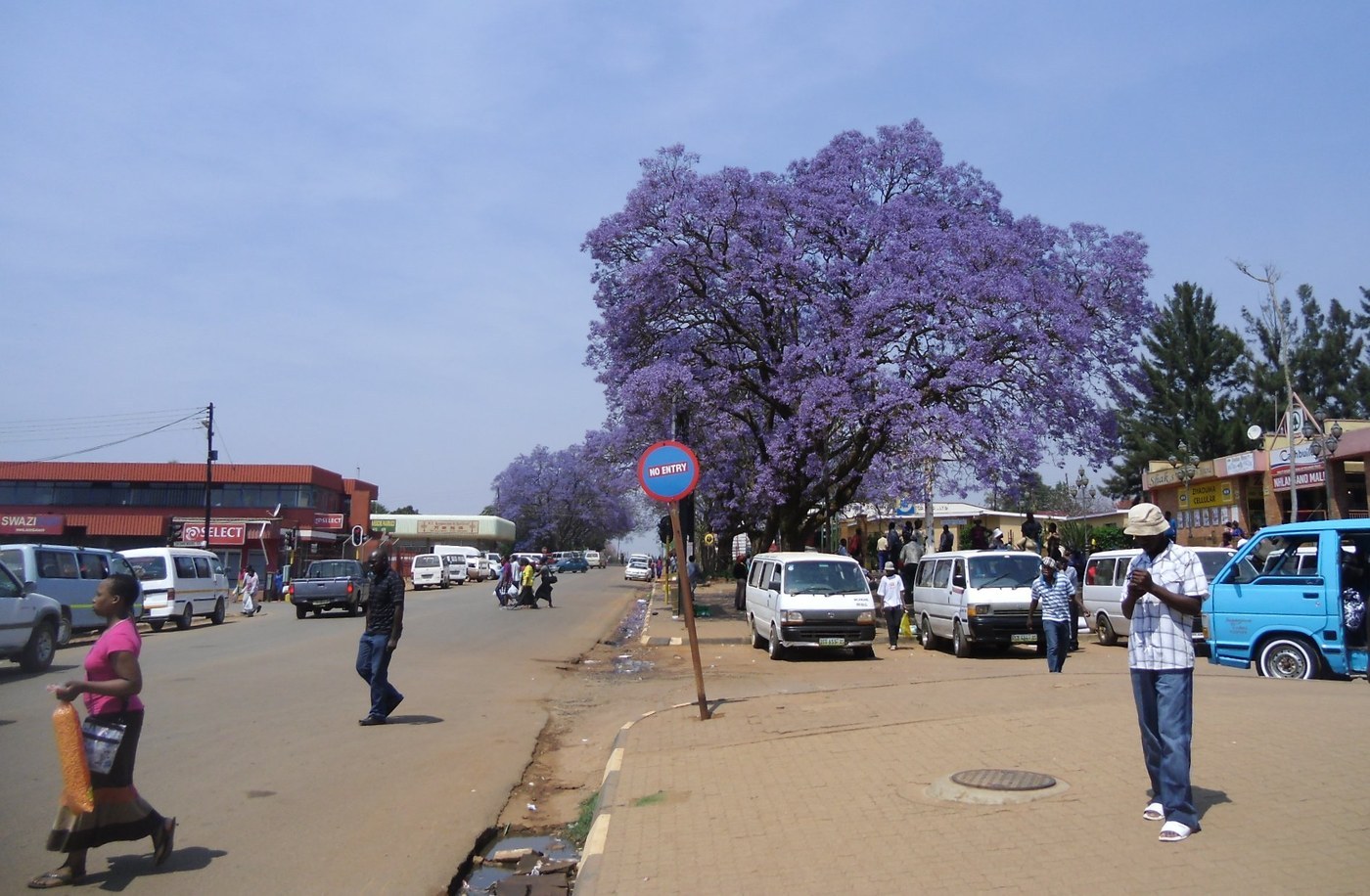
The blue jacaranda is a subtropical tree celebrated for its spectacular spring display of violet-blue trumpet flowers that blanket the canopy and carpet the ground beneath. Its fine, fern-like foliage makes it a graceful landscape and avenue tree.
- Light
- Full sun
- Water
- Moderate; drought-tolerant once established
- Difficulty
- Moderate
Got a plant like this?
Identify any plant from a photo, free.
Overview
Jacaranda mimosifolia is a fast-growing, semi-deciduous tree native to south-central South America, now planted in warm climates around the world for its breathtaking floral show.
When it blooms, usually in late spring, the entire crown turns lavender-blue, and fallen blossoms form a purple carpet below. This signature display has made jacaranda an icon of cities such as Pretoria, Sydney, and Los Angeles.
Between bloom periods it offers airy, feathery foliage and an attractive spreading habit, making it a valued shade and ornamental tree.
How to identify it
A spreading, semi-deciduous tree reaching 10-15 m with a broad, open crown.
- Leaves: bipinnate, fern-like, soft green, divided into many tiny leaflets (resembling a mimosa)
- Flowers: abundant trumpet-shaped, violet-blue blooms in large terminal panicles, appearing on bare or partly leafed branches in spring
- Fruit: flattened, round, woody seed capsules that persist on the tree
- Bark: thin, grey-brown, becoming finely scaly with age
- Habit: fast-growing with a graceful, vase-shaped to rounded form
Care & growing
Best suited to frost-free, subtropical and warm-temperate climates.
- Light: full sun is essential for good flowering
- Water: moderate when young; drought-tolerant once established but flowers best with occasional deep watering
- Soil: well-drained, sandy or loamy soil; dislikes heavy, waterlogged ground
- Temperature: tender to frost; thrives in USDA zones 9-11
- Feeding: avoid high-nitrogen feeds, which promote foliage over flowers
- Propagation: from seed, which germinates easily, or semi-hardwood cuttings
Habitat & origin
Native to the dry hill forests of northwestern Argentina and Bolivia. In the wild it favors well-drained slopes in a seasonally dry subtropical climate.
It is now widely cultivated and naturalized in warm regions worldwide, including South Africa, Australia, southern Europe, India, and the southwestern United States, where it is a beloved street and park tree.
Frequently asked questions
When does a jacaranda bloom?
It typically blooms in late spring to early summer, with the timing depending on local climate. In the Southern Hemisphere this is usually October to November.
Why isn't my jacaranda flowering?
Common causes are insufficient sun, too much nitrogen fertilizer, immaturity (trees may take 7-14 years from seed), or cold damage.
Can jacaranda survive frost?
It is frost-sensitive, especially when young. It performs best in zones 9-11 and may be damaged or killed by hard freezes.
Are jacarandas messy trees?
Yes, the fallen flowers, leaves, and seed pods create litter, so they are best kept away from pools and paving.
Blue Jacaranda guides
In-depth guides for identifying, growing, and caring for Blue Jacaranda.
How to Care for Blue Jacaranda
Grow Blue Jacaranda (Jacaranda mimosifolia) for its ferny foliage and clouds of violet-blue spring bloom. Full sun, warm-climate care guide.
Blue Jacaranda Identification Guide
How to identify the Blue Jacaranda by its lavender-blue trumpet flowers, fern-like bipinnate foliage, and flat round woody seed pods.